How to Get the Best Value from Metal and Iron Recycling - Clifton Metals

How to Get the Best Value from Metal and Iron Recycling

Metal and iron recycling has evolved far beyond simply hauling scrap to the nearest scrapyard. Today, businesses that take a strategic approach to recycling can significantly increase returns while reducing waste disposal costs and supporting sustainability initiatives.

Whether you’re operating a manufacturing facility, construction company, machine shop, warehouse, or demolition business, understanding how scrap metal is valued can make a substantial difference to your bottom line.

In this guide, we’ll explore practical strategies to help businesses get the best value from metal and iron recycling, from proper sorting and storage to choosing the right recycling partner.

How to Get the Best Value from Metal and Iron Recycling - Clifton Metals

Why Metal and Iron Recycling Matters

Every year, millions of tons of ferrous and non-ferrous metals are recycled across North America, helping supply raw materials to manufacturers while reducing the need for virgin resource extraction.

For businesses, recycling provides several key benefits:

  • Generates revenue from waste materials
  • Reduces landfill and disposal costs
  • Supports sustainability and ESG initiatives
  • Improves workplace organization and safety
  • Contributes to the circular economy

The difference between an average scrap program and an optimized one can amount to thousands or even tens of thousands of dollars annually.

Understand the Difference Between Metal and Iron Scrap

Before maximizing value, it’s important to understand what you’re selling.

Ferrous Metals

Ferrous metals contain iron and are magnetic.

Common examples include:

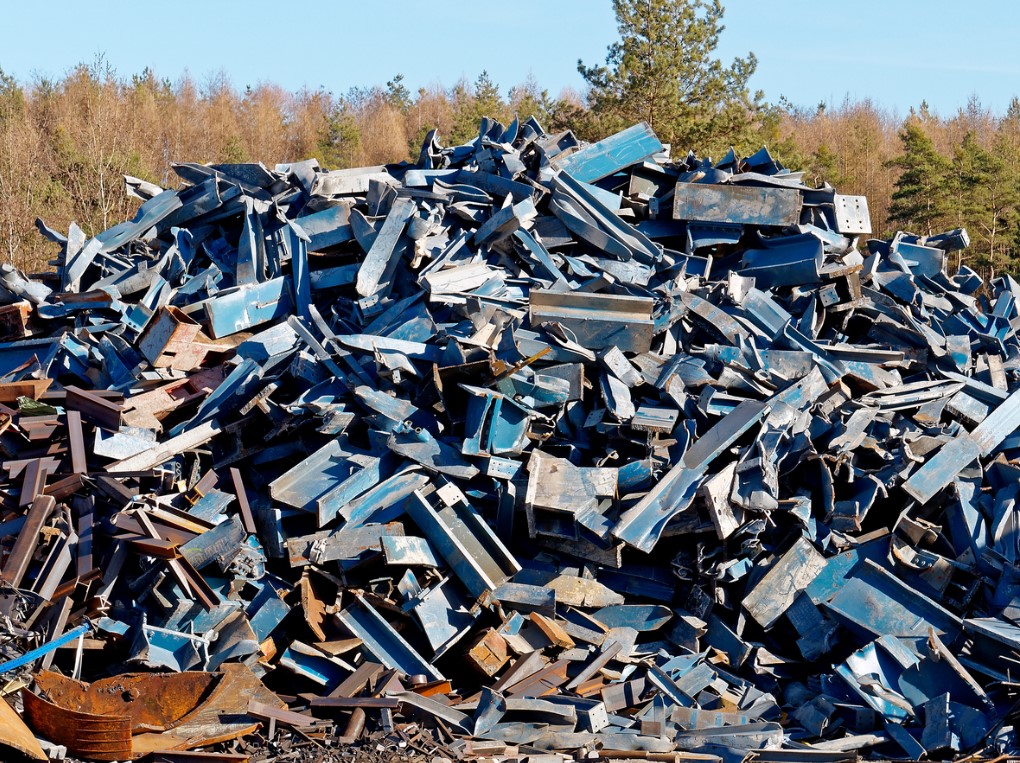
  • Carbon steel
  • Structural steel
  • Cast iron
  • Stainless steel
  • Heavy machinery components

These materials often represent the largest portion of industrial scrap volume.

Non-Ferrous Metals

Non-ferrous metals do not contain significant amounts of iron.

Examples include:

  • Copper
  • Aluminum
  • Brass
  • Nickel
  • Lead
  • Zinc

Non-ferrous metals typically command higher prices per pound, making proper separation essential.

Sort Metals Before Recycling

One of the easiest ways to increase scrap value is through proper sorting.

Why Sorting Matters

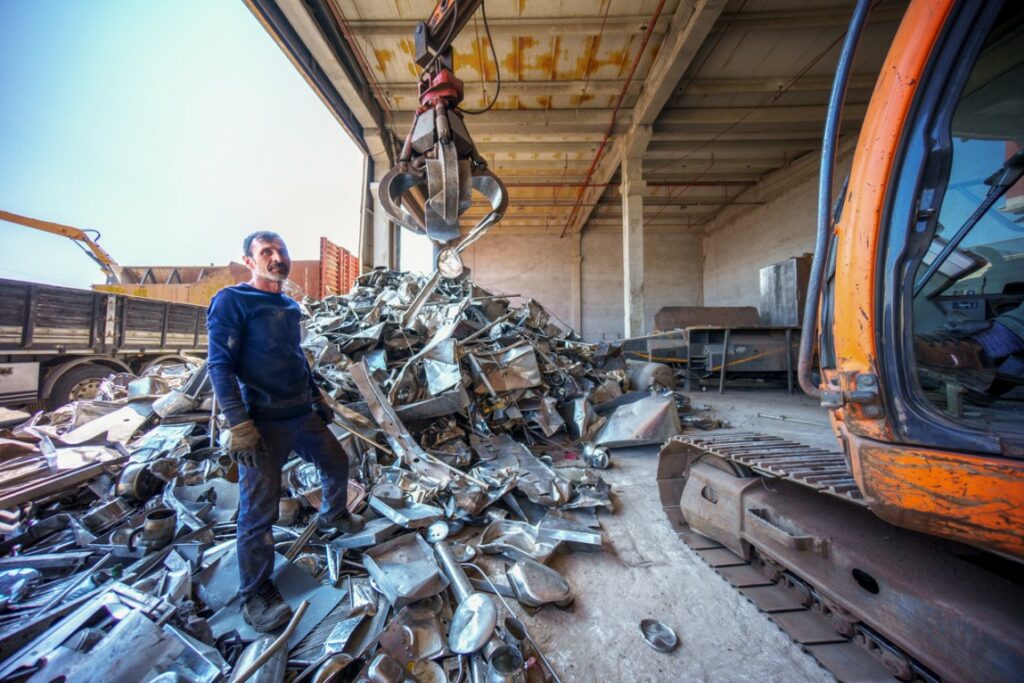
When mixed materials arrive at a recycling facility:

  • Additional labor is required
  • Processing costs increase
  • Valuable metals may be downgraded

For example, copper mixed with steel often receives lower pricing than separately sorted copper.

Recommended Sorting Categories

  • Steel
  • Cast iron
  • Stainless steel
  • Aluminum
  • Copper
  • Brass
  • Insulated wire

Businesses that sort scrap at the source typically receive higher payouts than those selling mixed loads.

Keep Scrap Clean and Free from Contamination

Clean metal is valuable metal.

Common Contaminants

  • Plastic
  • Rubber
  • Wood
  • Oil and grease
  • Dirt and debris
  • Concrete residue

Contaminated materials require additional processing, which often results in lower pricing.

Best Practices

  • Remove non-metal attachments where possible
  • Store metals separately
  • Clean materials before pickup when practical

Even basic cleaning procedures can improve the overall value of scrap shipments.

Store Scrap Properly

How you store metal before recycling can impact its value.

Poor Storage Can Cause:

  • Corrosion
  • Oxidation
  • Material contamination
  • Safety hazards

Storage Tips

  • Use designated collection containers
  • Protect materials from moisture
  • Keep valuable non-ferrous metals secure
  • Separate clean and contaminated scrap

Organized storage also improves workplace safety and operational efficiency.

How to Get the Best Value from Metal and Iron Recycling - Clifton Metals

Separate High-Value Metals from Iron and Steel

Many businesses unknowingly lose money by combining valuable metals with lower-value scrap.

High-Value Metals to Isolate

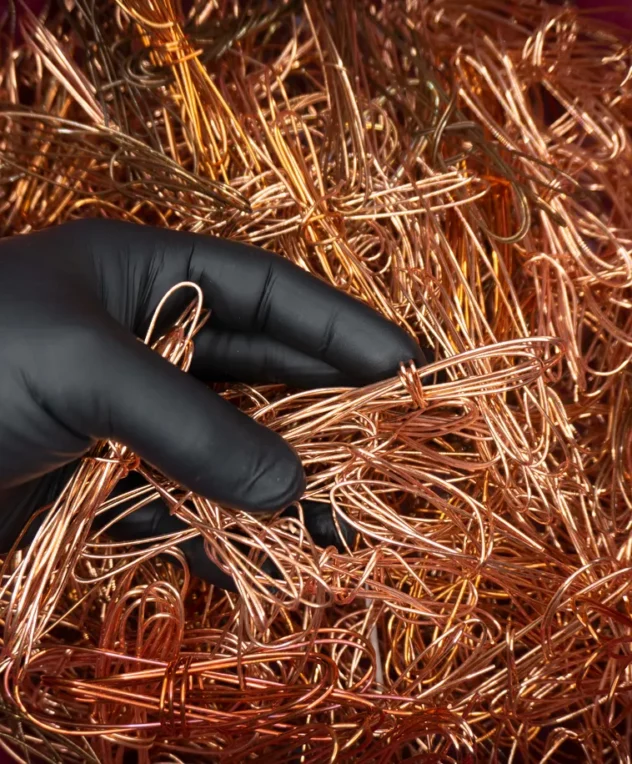
  • Copper wire
  • Copper tubing
  • Brass fittings
  • Aluminum extrusions
  • Stainless steel

These materials often carry significantly higher market values than standard steel and cast iron.

A dedicated sorting process can dramatically improve overall scrap revenue.

Understand What Affects Scrap Prices

Metal and iron prices are influenced by numerous factors.

Market Drivers Include:

  • Global manufacturing demand
  • Infrastructure spending
  • Construction activity
  • Energy costs
  • Transportation expenses
  • International trade policies

Material-Specific Factors

  • Grade
  • Purity
  • Quantity
  • Market demand
  • Regional availability

Businesses that understand these variables are better positioned to maximize returns.

Sell Larger Volumes When Possible

Commercial recyclers often provide better pricing for larger loads.

Benefits of Volume Recycling

  • Reduced transportation costs
  • Better negotiated pricing
  • Dedicated pickup schedules
  • Streamlined processing

Companies generating significant scrap volumes should consider implementing ongoing recycling programs rather than arranging sporadic pickups.

Schedule Regular Scrap Pickups

Allowing scrap to accumulate can create problems.

Risks of Delayed Recycling

  • Increased storage requirements
  • Workplace congestion
  • Material contamination
  • Lost operational efficiency

Regular collection schedules help maintain a cleaner and safer facility while ensuring consistent revenue generation.

Many businesses work with experienced recyclers such as Clifton Metals to establish customized pickup programs based on production volumes.

Partner with an Experienced Recycling Company

Choosing the right recycling partner is one of the most important decisions in any scrap management program.

Look For:

  • Transparent pricing
  • Reliable pickup services
  • Accurate grading
  • Market expertise
  • Strong customer support

An experienced recycling company can identify opportunities to improve sorting, reduce contamination, and increase overall profitability.


Frequently Asked Questions

Q1: What is the best way to increase scrap metal value?

A: Sorting materials by type, removing contaminants, and keeping metals clean are among the most effective ways to increase value.

Q2: Does iron scrap have value?

A: Yes. While iron and steel typically have lower per-pound prices than non-ferrous metals, they often generate substantial revenue due to high volumes.

Q3: Should businesses separate metals before recycling?

A: Absolutely. Separating ferrous and non-ferrous metals helps ensure each material receives the highest possible market value.

Q4: How often should scrap metal be collected?

A: The ideal schedule depends on volume generation, but regular pickups help improve efficiency and prevent material buildup.

Q5: What metals are worth the most in recycling?

A: Copper, brass, aluminum, and certain grades of stainless steel generally command higher prices than standard ferrous metals.
Getting the best value from metal and iron recycling requires more than simply selling scrap. Businesses that focus on proper sorting, contamination prevention, storage, and strategic recycling partnerships consistently achieve stronger returns.

By treating scrap as a valuable commodity rather than waste, organizations can improve profitability, support sustainability goals, and create more efficient operations.

Looking to maximize the value of your scrap metal? Contact Clifton Metals today to learn how our commercial recycling solutions, pickup services, and industry expertise can help your business turn scrap into revenue.

Hope the tips mentioned in this article help you to get the best out of your scrap.

Ready to turn your scrap into savings?
Reach out to Clifton Metals to schedule your site assessment and see how easy and profitable on-site scrap management can be.

Are you a manufacturer seeking sustainable metal solutions? Let Clifton Metals’ recycling services highly trained experts in scrap metal handling help power your production with quality recycled metals, keeping costs low and the environment clean. Contact us today to learn more.