How to Increase Your Copper Price Per Pound When Selling Scrap - Clifton Metals

How to Increase Your Copper Price Per Pound When Selling Scrap

Copper is one of the most valuable and in-demand scrap metals in many markets. Whether you’re a contractor, manufacturer, electrician, demolition company, or industrial facility, getting the highest possible copper price per pound can significantly impact your bottom line.

The challenge is that two sellers can bring similar quantities of copper to a scrap yard and receive very different payouts. Why? Because scrap copper pricing isn’t determined by weight alone. Factors such as grade, cleanliness, preparation, and market conditions all influence the final value.

This guide explains how businesses can maximize their copper scrap revenue and secure the best possible price when selling copper.

How to Increase Your Copper Price Per Pound When Selling Scrap - Clifton Metals

Why Copper Commands High Scrap Prices

Copper remains a critical material for modern infrastructure and manufacturing.

Its widespread use includes:

  • Electrical wiring
  • Renewable energy systems
  • Electric vehicles (EVs)
  • Construction projects
  • Telecommunications infrastructure

As global electrification continues to expand, demand for recycled copper remains strong. Unlike many materials, copper can be recycled repeatedly without losing its performance characteristics, making it one of the most sought-after metals in the recycling industry.

Understand Copper Scrap Grades

The fastest way to improve your payout is to understand how copper is graded.

Different grades receive different prices per pound.

Bare Bright Copper

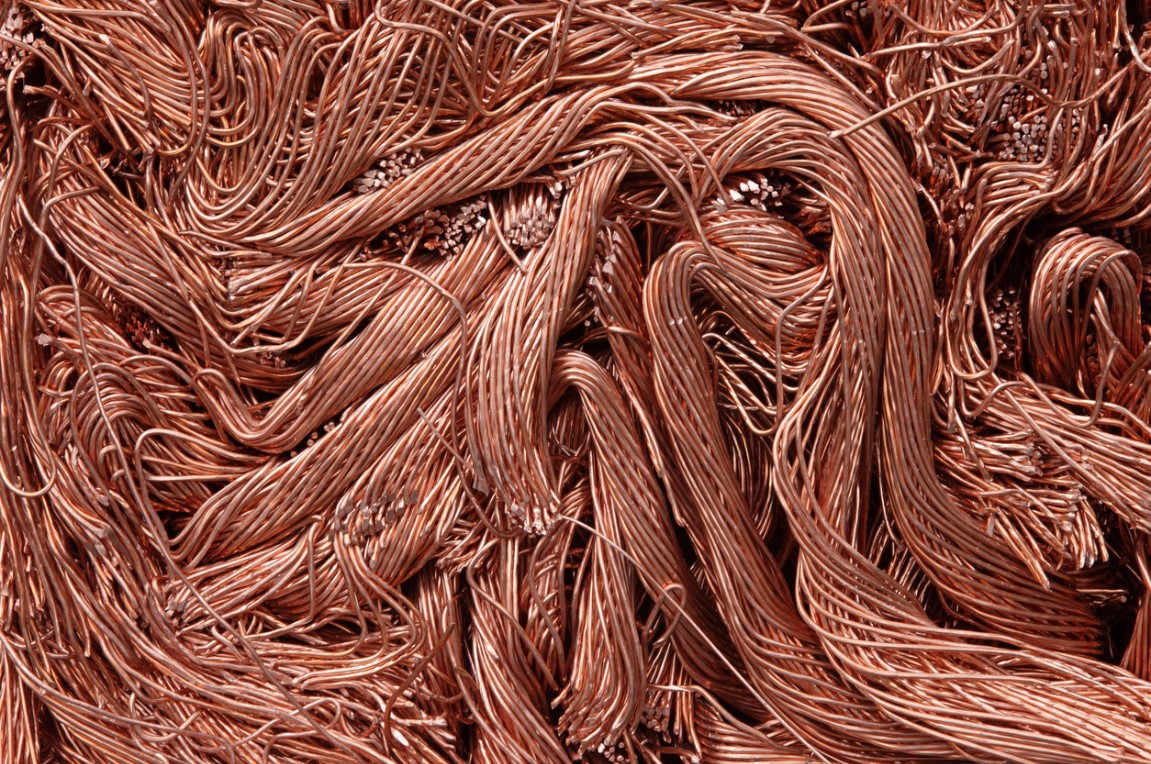
Bare Bright is typically the highest-value copper scrap category.

Characteristics:

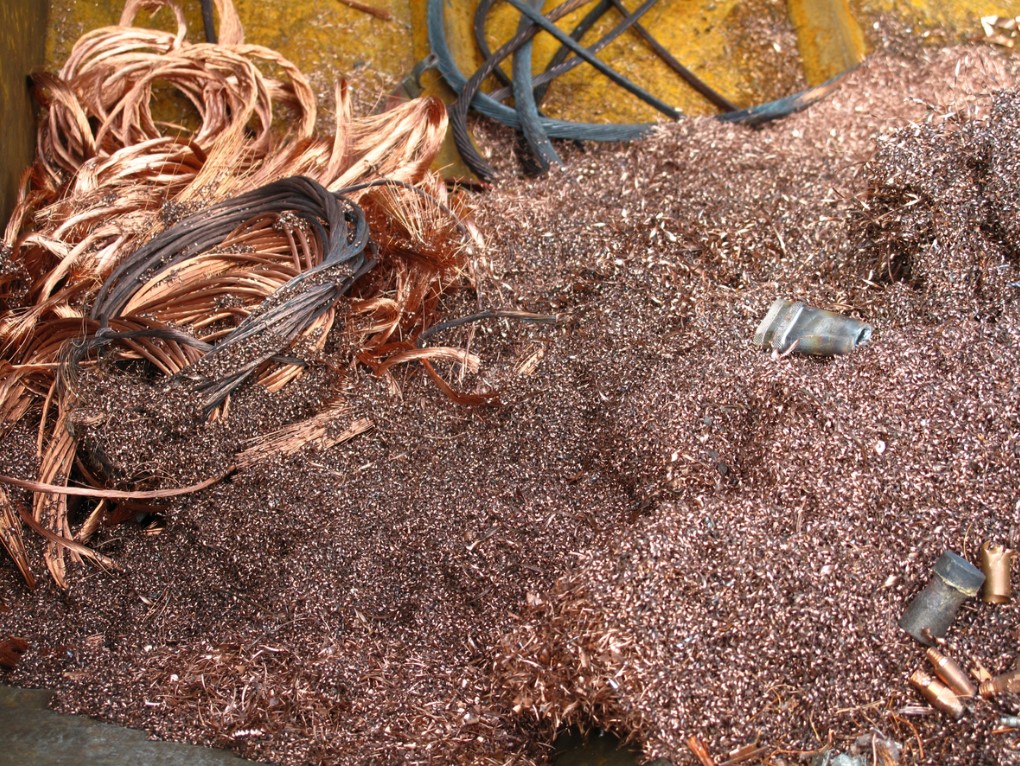
  • Clean, uncoated copper wire
  • No insulation
  • No solder, paint, or corrosion
  • Typically 16-gauge or thicker

This grade often receives the highest market pricing because it requires minimal processing.

#1 Copper

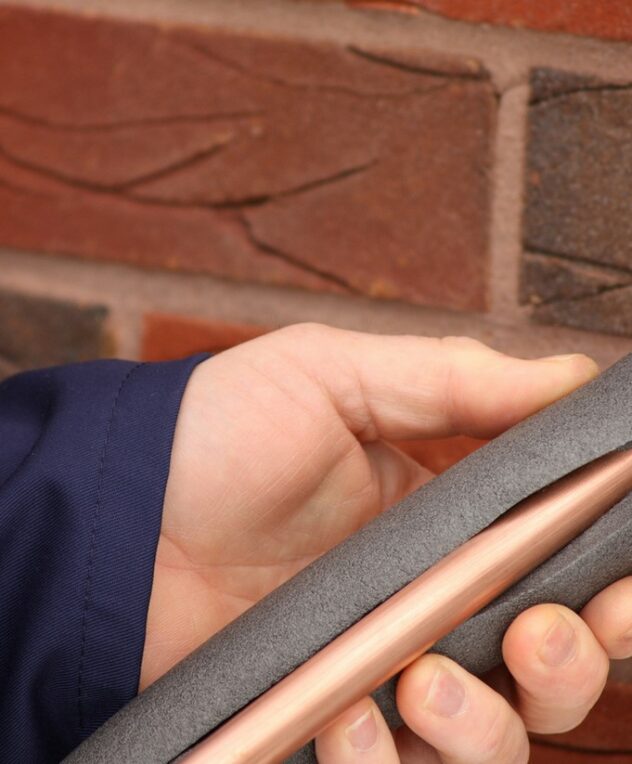
Includes clean copper tubing, bus bars, and wire that may not qualify as Bare Bright.

Requirements:

  • Clean copper
  • No excessive oxidation
  • No brass fittings or attachments

#1 Copper generally earns strong pricing but slightly less than Bare Bright.

#2 Copper

#2 Copper contains contamination or additional materials.

Examples include:

  • Painted copper
  • Soldered copper
  • Light oxidation
  • Copper with fittings attached

Because recyclers must spend more time processing it, pricing is lower.

Separate Copper Grades Before Selling

One of the most common mistakes businesses make is mixing different copper grades together.

Why This Costs Money

When copper grades are mixed:

  • Buyers typically classify the entire load at the lower grade.
  • High-value material loses its premium.

Best Practice

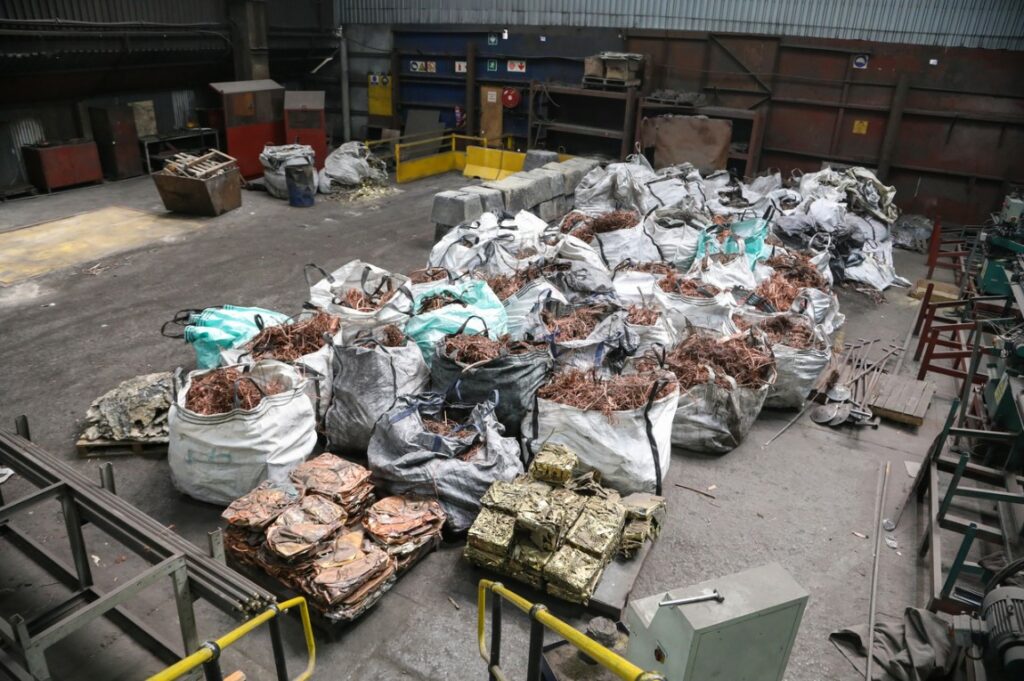
Create separate containers for:

  • Bare Bright Copper
  • #1 Copper
  • #2 Copper
  • Insulated Wire

Even a simple sorting system can significantly increase overall returns.

Remove Insulation When Economically Viable

Copper wire often contains valuable copper hidden beneath insulation.

Removing insulation can sometimes increase value substantially.

However, businesses should calculate:

  • Labor costs
  • Processing time
  • Volume of wire

For large commercial operations, mechanical wire stripping equipment may provide a worthwhile return on investment.

For smaller quantities, selling insulated wire may be more practical.

How to Increase Your Copper Price Per Pound When Selling Scrap - Clifton Metals

Remove Attachments and Contaminants

Scrap yards pay premiums for clean material.

Before selling copper:

Remove:

  • Brass fittings
  • Steel attachments
  • Plastic components
  • Rubber coverings
  • Excess solder

The cleaner the material, the less processing required, and the more valuable it becomes.

Keep Copper Dry and Protected

Storage conditions matter more than many sellers realize.

Poor Storage Can Lead To:

  • Corrosion
  • Oxidation
  • Contamination

While copper doesn’t rust like steel, excessive oxidation can impact grading and reduce value.

Recommended Storage Practices

  • Store indoors whenever possible
  • Use covered containers
  • Separate clean material from dirty scrap
  • Avoid exposure to chemicals or moisture

Sell Larger Volumes When Possible

Commercial recyclers often offer stronger pricing for larger loads.

Benefits of Volume Selling

  • Better negotiated rates
  • Reduced transportation costs
  • Dedicated pickup services
  • Long-term pricing agreements

Businesses generating consistent copper scrap should consider establishing ongoing recycling programs rather than making occasional small sales.

Monitor Copper Market Trends

Copper pricing fluctuates daily based on global market conditions.

Several factors influence prices:

Supply Factors

  • Mine production
  • Smelter capacity
  • Energy costs

Demand Factors

  • Construction activity
  • Manufacturing output
  • EV production
  • Renewable energy projects

Geopolitical Factors

Recent years have shown how geopolitical events can affect copper pricing.

Examples include:

  • Supply disruptions in major mining regions
  • Trade restrictions
  • Shipping delays
  • Energy market volatility

Businesses that monitor market conditions can often improve returns by timing larger sales strategically.

Work with a Commercial Scrap Partner

Many companies focus only on the quoted copper price, but the recycling partner matters just as much.

An experienced recycler can help:

  • Identify higher-value grades
  • Provide collection containers
  • Improve sorting processes
  • Schedule efficient pickups
  • Reduce contamination

Companies such as Clifton Metals work with businesses to develop scrap management programs that maximize long-term value rather than focusing solely on individual transactions.


Frequently Asked Questions

Q1: What type of copper scrap pays the most?

A: Bare Bright Copper typically commands the highest price because it is clean, uncoated, and requires minimal processing.

Q2: Does stripping copper wire increase its value?

A: Often yes. Stripped copper generally receives a higher price than insulated wire, although labor costs should be considered.

Q3: Why does copper pricing change so often?

A: Copper prices fluctuate based on global supply, demand, economic activity, and geopolitical developments.

Q4: Should I separate copper grades before selling?

A: Yes. Separating Bare Bright, #1, and #2 copper helps ensure each material receives the highest possible value.

Q5: How can businesses maximize copper scrap profits?

A: Businesses can increase returns through proper sorting, contamination removal, market timing, and partnering with experienced commercial recyclers.
Getting a higher copper price per pound isn’t about luck, but rather it’s about preparation.

Businesses that properly sort copper grades, remove contaminants, store materials correctly, and monitor market conditions consistently earn better returns than those selling mixed loads.

As copper demand continues to grow across construction, energy, and transportation sectors, maximizing the value of your scrap copper can create a significant new revenue stream for your business.

Looking to get the most from your copper scrap? Contact Clifton Metals today to learn how professional scrap management, pickup services, and expert grading can help maximize your returns.

Hope the tips mentioned in this article help you to get the best out of your scrap.

Ready to turn your scrap into savings?
Reach out to Clifton Metals to schedule your site assessment and see how easy and profitable on-site scrap management can be.

Are you a manufacturer seeking sustainable metal solutions? Let Clifton Metals’ recycling services highly trained experts in scrap metal handling help power your production with quality recycled metals, keeping costs low and the environment clean. Contact us today to learn more.