Industrial Scrap Recycling Solutions for New Jersey Manufacturers - Clifton Metals

Industrial Scrap Recycling Solutions for New Jersey Manufacturers

Manufacturing remains one of the most important industries in New Jersey, supporting sectors ranging from aerospace and pharmaceuticals to food processing, metal fabrication, electronics, and industrial equipment production. While these industries drive economic growth, they also generate significant volumes of scrap metal as a byproduct of daily operations.

For manufacturers, scrap metal is often viewed as waste. However, with the right recycling strategy, it can become a valuable source of revenue while supporting sustainability goals and improving operational efficiency.

Today’s industrial scrap recycling solutions go far beyond simply collecting unwanted metal. Modern recycling programs help New Jersey manufacturers optimize material recovery, reduce disposal costs, improve workplace safety, and contribute to a more sustainable manufacturing ecosystem.

Industrial Scrap Recycling Solutions for New Jersey Manufacturers - Clifton Metals

Why Scrap Recycling Matters for New Jersey Manufacturers

Manufacturing operations generate a wide range of recyclable materials throughout the production process.

Common examples include:

  • Steel offcuts
  • Aluminum scrap
  • Copper wire and tubing
  • Stainless steel remnants
  • Brass components
  • Industrial machinery scrap
  • Production rejects and defective parts

Without an organized recycling program, these materials can accumulate quickly, creating storage challenges and increasing waste disposal costs.

A structured recycling solution transforms these materials into recoverable assets that can generate consistent financial returns.

The Growing Importance of Sustainable Manufacturing

Sustainability has become a major focus across New Jersey’s industrial sector.

Manufacturers face increasing pressure from:

  • Customers
  • Investors
  • Supply chain partners
  • Regulatory agencies

Many organizations are actively pursuing initiatives designed to:

  • Reduce waste
  • Improve resource efficiency
  • Lower carbon emissions
  • Support ESG objectives

Metal recycling aligns directly with these goals by keeping valuable materials in circulation and reducing dependence on virgin raw materials.

Common Types of Industrial Scrap Generated by Manufacturers

Different manufacturing facilities produce different types of recyclable materials.

Ferrous Metals

Ferrous metals contain iron and often make up the largest share of industrial scrap.

Examples include:

  • Carbon steel
  • Structural steel
  • Cast iron
  • Tool steel

These materials are widely used across manufacturing and remain highly recyclable.

Non-Ferrous Metals

Non-ferrous metals generally command higher market values.

Common examples include:

  • Copper
  • Aluminum
  • Brass
  • Nickel alloys
  • Stainless steel

Because of their value, proper segregation is essential for maximizing returns.

Key Components of an Effective Industrial Recycling Program

A successful scrap recycling strategy begins with understanding material flow throughout the facility.

Scrap Assessment

The first step is evaluating:

  • Types of metals generated
  • Scrap volume
  • Collection points
  • Production schedules

This helps determine the most efficient recycling solution.

Container and Dumpster Services

Many manufacturers rely on dedicated collection systems.

Common options include:

  • Roll-off containers
  • Lugger boxes
  • Self-dumping hoppers
  • Dedicated metal bins

Strategically placed containers help streamline collection while maintaining an organized workspace.

Scheduled Scrap Pickup

Regular collection schedules help prevent material buildup.

Benefits include:

  • Improved housekeeping
  • Reduced storage requirements
  • Better workplace safety
  • Consistent scrap revenue generation

Manufacturers producing large volumes of scrap often benefit from customized pickup schedules based on production output.

Industrial Scrap Recycling Solutions for New Jersey Manufacturers - Clifton Metals

How Recycling Programs Help Reduce Manufacturing Costs

One of the biggest advantages of industrial recycling is cost reduction.

Lower Waste Disposal Expenses

Instead of paying to dispose of recyclable materials, manufacturers can generate revenue from them.

This helps offset:

  • Hauling costs
  • Landfill fees
  • Waste management expenses

Improved Material Recovery

When materials are properly sorted:

  • Contamination decreases
  • Processing becomes more efficient
  • Scrap receives higher market value

Even simple improvements in segregation can significantly impact profitability.

Maximizing Revenue from Industrial Scrap

Not all scrap metal is valued equally.

Best Practices for Higher Returns

Separate Metals by Type

Keep:

  • Copper
  • Aluminum
  • Brass
  • Stainless steel
  • Carbon steel

in dedicated containers whenever possible.

Keep Scrap Clean

Avoid contamination from:

  • Plastic
  • Rubber
  • Wood
  • Oil
  • General trash

Clean materials typically command stronger pricing.

Monitor Market Conditions

Metal prices fluctuate based on:

  • Manufacturing demand
  • Commodity markets
  • Global supply chains
  • Energy costs

Working with an experienced recycler helps businesses understand market trends and optimize sales timing.

Compliance and Environmental Benefits

New Jersey manufacturers operate in a highly regulated environment.

An organized recycling program helps support:

  • Environmental compliance
  • Waste reduction initiatives
  • Sustainability reporting
  • Corporate responsibility objectives

Recycling also reduces the environmental impact associated with raw material extraction and processing.

The Role of Technology in Industrial Recycling

Modern recycling solutions increasingly leverage technology to improve efficiency.

Advanced Tools Include:

  • Automated sorting systems
  • Metal analyzers
  • Real-time market tracking
  • Digital reporting platforms
  • GPS-enabled pickup scheduling

These technologies help recyclers provide better service while improving material recovery rates.

Choosing the Right Recycling Partner

Selecting the right recycling provider is critical to long-term success.

Manufacturers should look for:

  • Industry experience
  • Reliable logistics
  • Transparent pricing
  • Responsive customer service
  • Flexible container solutions

Companies such as Clifton Metals work with manufacturers throughout the region to create customized recycling programs that align with operational goals and production requirements.

Why New Jersey Manufacturers Are Investing in Recycling Solutions

Several factors are driving increased adoption of industrial recycling programs:

  • Rising raw material costs
  • Sustainability commitments
  • Waste reduction goals
  • Supply chain efficiency initiatives
  • Increased focus on circular manufacturing

As manufacturers continue seeking ways to improve profitability and environmental performance, recycling remains one of the most practical and effective solutions available.


Frequently Asked Questions

Q1: What types of scrap metal can manufacturers recycle?

A: Most manufacturing facilities recycle steel, aluminum, copper, brass, stainless steel, and other production-related metal scrap.

Q2: How can manufacturers increase scrap metal revenue?

A: Proper sorting, contamination prevention, regular pickups, and monitoring market conditions can help maximize returns.

Q3: Are industrial recycling programs cost-effective?

A: Yes. Recycling often reduces disposal costs while generating revenue from recoverable materials.

Q4: What container options are available for manufacturers?

A: Common solutions include roll-off containers, lugger boxes, hoppers, and dedicated scrap collection bins.

Q5: Why is recycling important for manufacturing sustainability?

A: Recycling conserves resources, reduces waste, lowers emissions, and supports corporate sustainability initiatives.
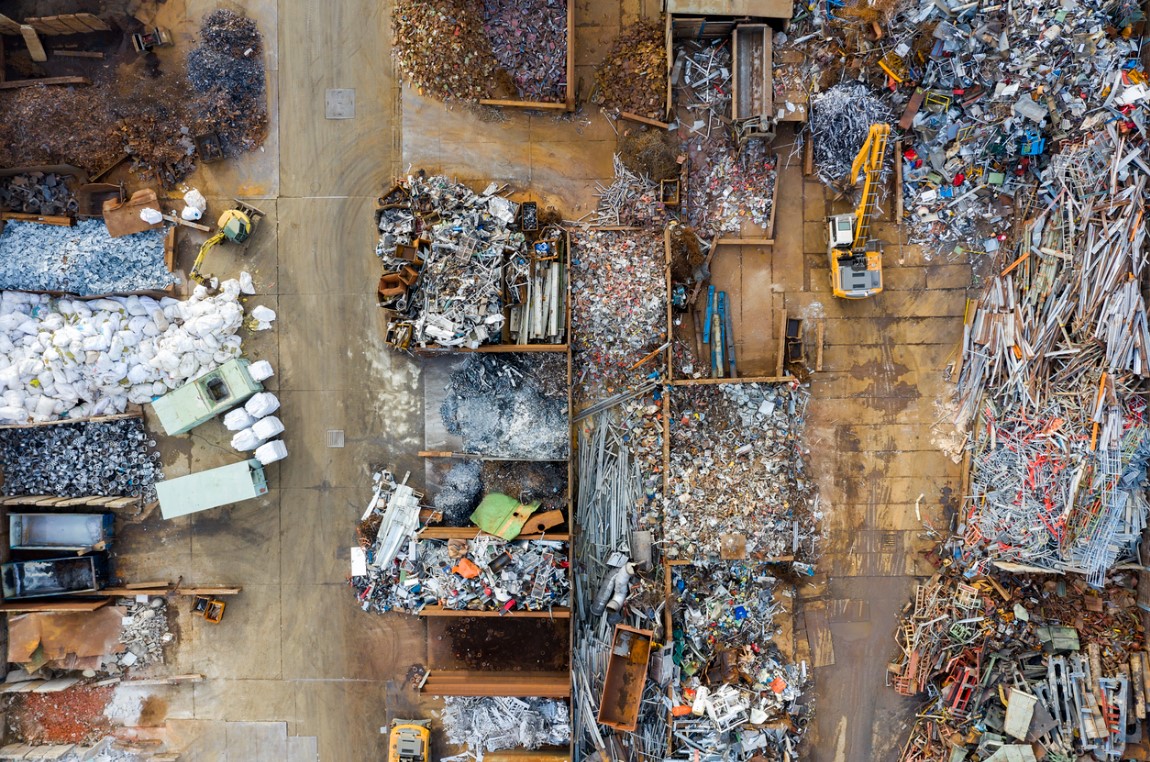
Industrial scrap recycling is no longer simply a waste management function—it’s an important part of modern manufacturing strategy. For New Jersey manufacturers, a well-designed recycling program can reduce costs, generate additional revenue, improve sustainability performance, and support safer, more efficient operations.

By implementing proper collection systems, maintaining material quality, and partnering with an experienced recycler, manufacturers can unlock the full value of their scrap metal streams.

Looking to optimize your industrial recycling program? Contact Clifton Metals today to learn how our customized scrap recycling solutions can help your New Jersey manufacturing facility maximize value and improve operational efficiency.

Hope the tips mentioned in this article help you to get the best out of your scrap.

Ready to turn your scrap into savings?
Reach out to Clifton Metals to schedule your site assessment and see how easy and profitable on-site scrap management can be.

Are you a manufacturer seeking sustainable metal solutions? Let Clifton Metals’ recycling services highly trained experts in scrap metal handling help power your production with quality recycled metals, keeping costs low and the environment clean. Contact us today to learn more.