How Do Professional Companies Recycle Scrap Water Meters - Clifton Metals

How Do Professional Companies Recycle Scrap Water Meters?

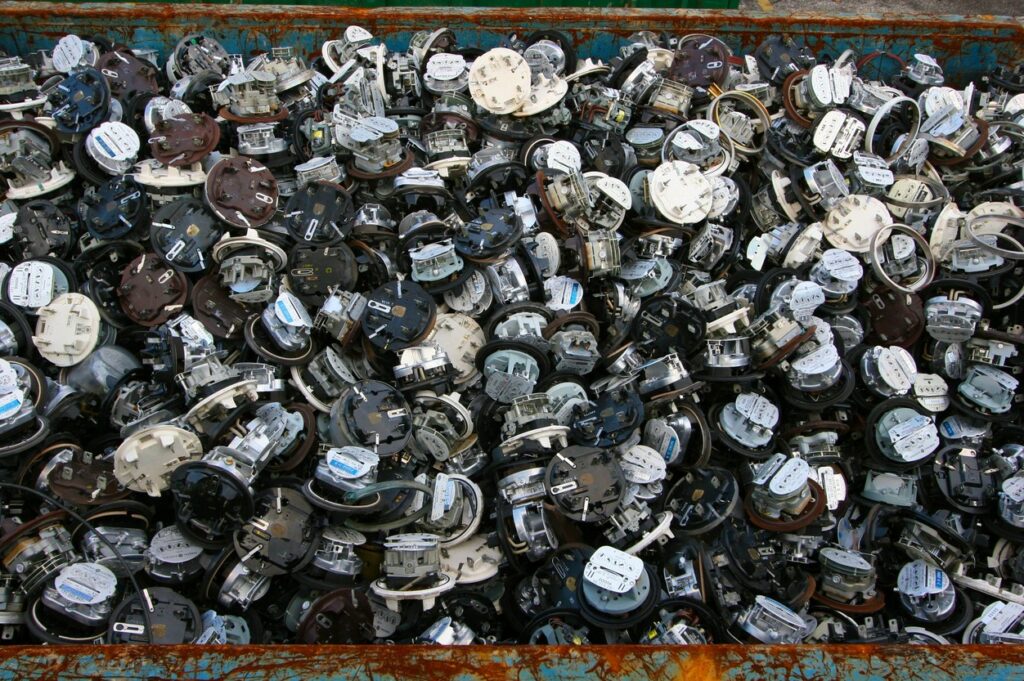
As municipalities, utility providers, contractors, and property management companies upgrade aging infrastructure, thousands of water meters are removed from service every year. While these devices may no longer be useful for measuring water consumption, they still contain valuable recyclable materials that can be recovered and reused.

Professional recycling companies play a critical role in ensuring that scrap water meters are processed responsibly, maximizing material recovery while minimizing environmental impact. From brass and copper to aluminum and electronic components, water meters contain materials that can be returned to the manufacturing supply chain rather than ending up in landfills.

This article explores how professional companies recycle scrap water meters, what materials are recovered, and why proper recycling benefits both businesses and the environment.

How Do Professional Companies Recycle Scrap Water Meters - Clifton Metals

What Are Scrap Water Meters?

Water meters are mechanical or digital devices used to measure water consumption in residential, commercial, and industrial properties.

Over time, these meters are removed due to:

  • Infrastructure upgrades
  • Smart meter installations
  • Damage or wear
  • Accuracy requirements
  • Utility modernization projects

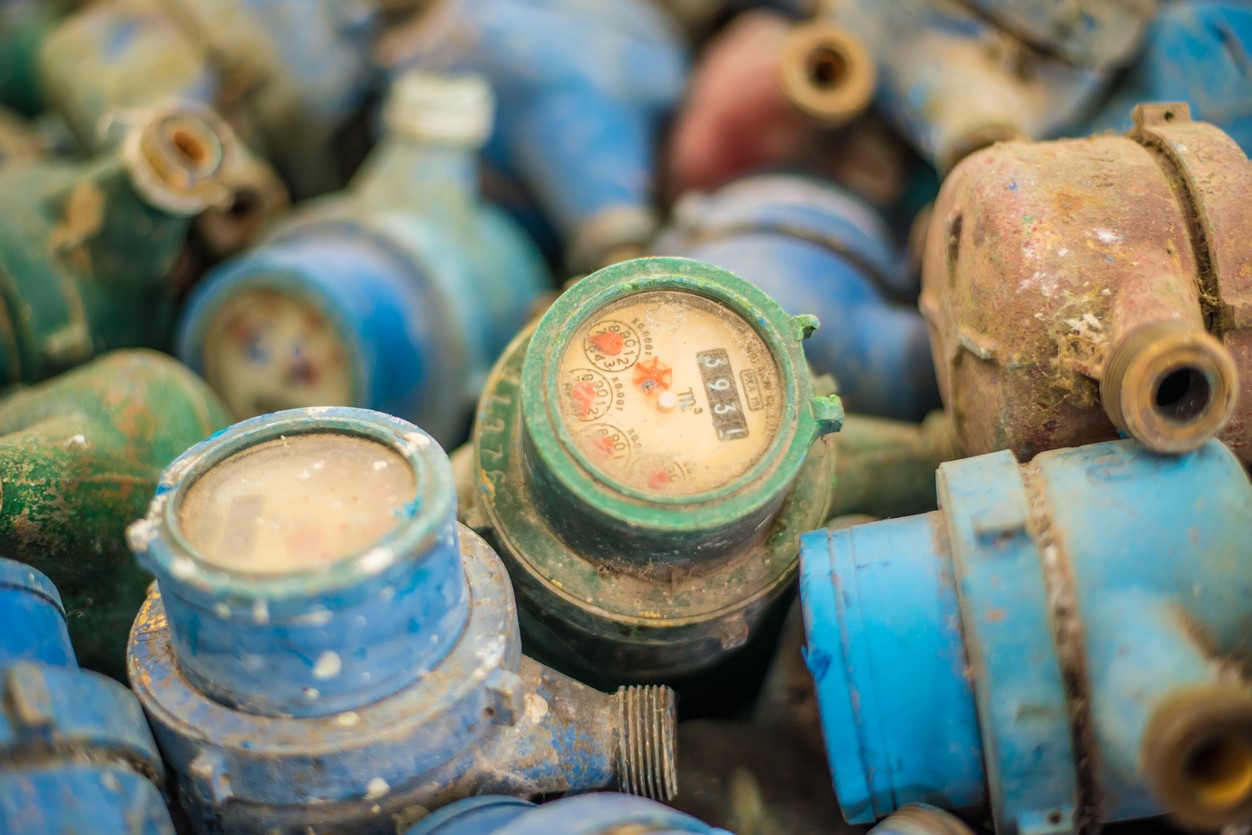
Once removed from service, they become scrap assets that can often be recycled for their metal content.

Why Water Meter Recycling Is Important

Many people are surprised to learn that old water meters contain significant quantities of valuable metals.

Rather than sending these units to landfills, recycling allows organizations to:

  • Recover valuable materials
  • Generate revenue from obsolete equipment
  • Reduce environmental waste
  • Support sustainability initiatives
  • Reduce demand for virgin raw materials

For municipalities and utility providers replacing thousands of meters, recycling can create a meaningful financial return while supporting environmental goals.

What Materials Are Found Inside Water Meters?

The exact composition depends on the meter’s age, manufacturer, and design.

However, many water meters contain:

Brass

Brass is often the most valuable component. Because brass is an alloy containing copper and zinc, it typically commands higher scrap prices than many ferrous metals.

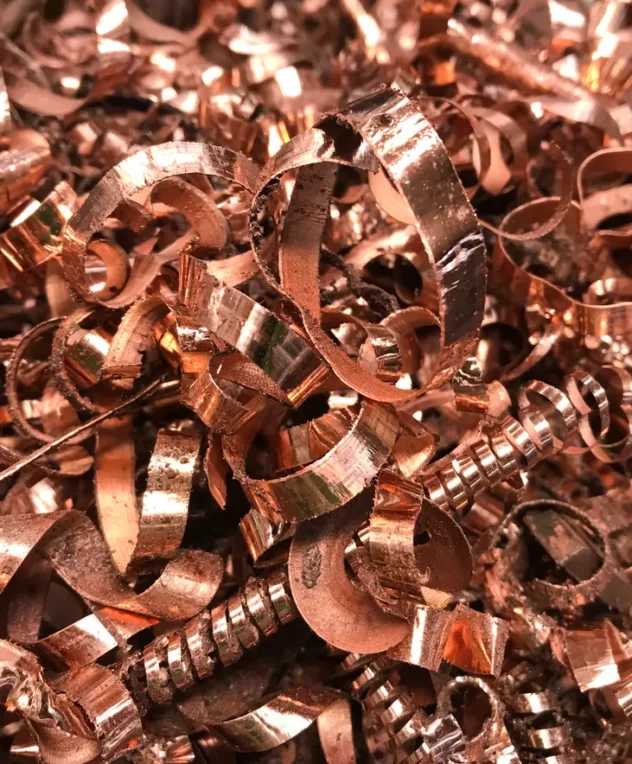
Copper

Copper may be found in:

  • Internal components
  • Wiring
  • Electronic assemblies

Strong demand for recycled copper makes it one of the most sought-after materials recovered during recycling.

Aluminum

Some meter housings and internal components may contain aluminum. Although generally less valuable than brass or copper, aluminum remains highly recyclable.

Stainless Steel and Iron Components

Certain meters contain:

  • Fasteners
  • Springs
  • Internal mechanical parts

These metals are routinely recovered and recycled.

Electronic Components

Modern smart water meters often include:

  • Circuit boards
  • Batteries
  • Communication modules
  • Sensors

These components require specialized handling and recycling procedures.

The Professional Water Meter Recycling Process

Professional recyclers follow a structured process to maximize material recovery and ensure compliance with environmental regulations.

Step 1: Collection and Transportation

The process begins when scrap water meters are collected from:

  • Municipal utilities
  • Water authorities
  • Plumbing contractors
  • Construction companies
  • Property management firms

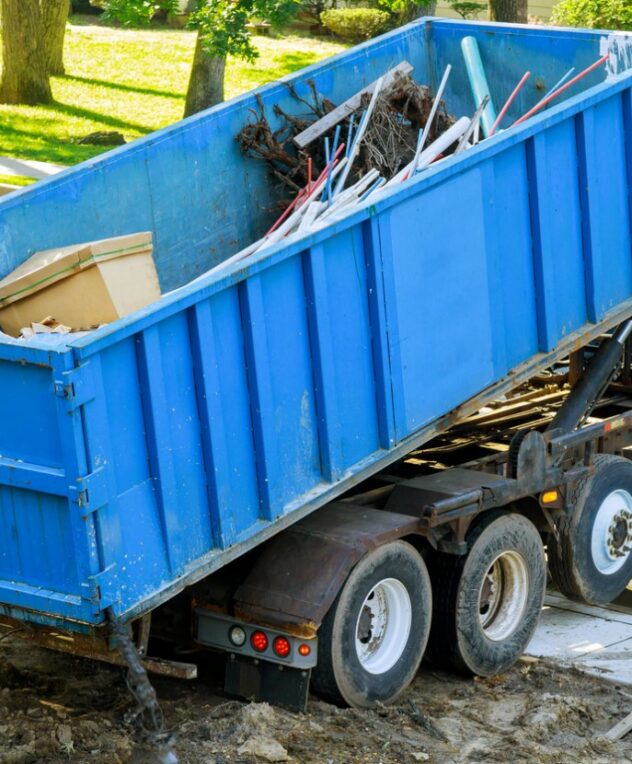
Many commercial recyclers provide pickup services for large quantities of obsolete meters.

Step 2: Inspection and Sorting

Once the meters arrive at the recycling facility, they are inspected and sorted.

Sorting Factors Include:

  • Material composition
  • Meter type
  • Age and design
  • Presence of electronics

This step helps determine the most efficient processing method.

Step 3: Dismantling and Material Separation

Professional recycling facilities often dismantle water meters to separate valuable materials.

During this phase:

  • Brass bodies are removed
  • Copper-containing components are separated
  • Electronic parts are isolated
  • Batteries are removed when necessary

Material separation improves recovery rates and helps maximize scrap value.

How Do Professional Companies Recycle Scrap Water Meters - Clifton Metals

Step 4: Metal Processing

After separation, metals are processed according to type.

Brass Recovery

Brass meter bodies are typically:

  • Cleaned
  • Sorted
  • Prepared for smelting

Recovered brass can be used in the production of:

  • Plumbing fixtures
  • Valves
  • Industrial components
  • New utility equipment

Copper Recovery

Copper components are processed separately and supplied to manufacturers for reuse in electrical and industrial applications.

Ferrous and Non-Ferrous Metal Recycling

Steel, aluminum, and other recyclable metals are also recovered and returned to the supply chain.

Step 5: Electronic Waste Recycling

Smart water meters often contain electronic components that require specialized handling.

Professional recyclers ensure these materials are processed through approved electronic recycling channels.

This helps:

  • Prevent environmental contamination
  • Recover valuable metals from electronics
  • Comply with applicable regulations

How Recycling Water Meters Supports Sustainability

Recycling water meters contributes to the circular economy by keeping valuable materials in productive use.

Environmental Benefits Include:

  • Reduced landfill waste
  • Lower demand for mining
  • Energy savings through recycled metal production
  • Reduced greenhouse gas emissions

Because metals such as brass and copper can be recycled repeatedly, water meter recycling provides long-term environmental advantages.

Why Professional Recycling Matters

Not all recycling operations are equipped to handle water meters efficiently.

Professional recyclers provide:

  • Accurate material grading
  • Secure processing
  • Regulatory compliance
  • Transparent pricing
  • Efficient logistics

For municipalities and commercial organizations managing large meter replacement projects, professional recycling ensures maximum recovery value.

Companies such as Clifton Metals help organizations recover value from obsolete water meters while supporting responsible recycling practices.

Real-World Example: Municipal Water Meter Upgrade Program

A regional utility authority replaced several thousand aging water meters as part of a smart infrastructure modernization project.

Instead of disposing of the old units, the authority partnered with a professional recycling company.

Results

  • Significant brass and copper recovery
  • Reduced disposal costs
  • Additional revenue from recycled materials
  • Improved sustainability reporting

The project demonstrated how recycling can transform retired infrastructure into a valuable resource.

The Future of Water Meter Recycling

As smart water meter adoption continues across North America, the volume of retired meters entering the recycling stream is expected to grow.

Future recycling programs will likely focus on:

  • Improved electronic component recovery
  • Higher material recovery rates
  • Advanced sorting technologies
  • Greater sustainability reporting

Professional recyclers will play an increasingly important role in helping utilities and businesses manage these materials responsibly.

Frequently Asked Questions

Q) What metals are commonly found in water meters?

A) Most water meters contain brass, copper, aluminum, steel, and various electronic components.

Q) Are old water meters worth recycling?

A) Yes. Many older meters contain significant amounts of brass and copper, which can have substantial recycling value.

Q) Can smart water meters be recycled?

A) Yes. Smart water meters can be recycled, although electronic components typically require specialized processing.

Q) Who typically recycles large quantities of water meters?

A) Municipalities, water utilities, plumbing contractors, and infrastructure companies often recycle water meters through professional recycling providers.

Q) Why is brass recovery important in water meter recycling?

A) Brass is often the most valuable material found in water meters and can be recycled repeatedly without losing quality.
Water meters may be small, but they contain valuable materials that should never be overlooked. Through professional recycling processes, brass, copper, aluminum, steel, and electronic components can all be recovered and reused.

For municipalities, contractors, utilities, and property managers, recycling scrap water meters offers an opportunity to generate revenue, reduce waste, and support sustainability goals simultaneously.

Looking to recycle scrap water meters or other utility equipment? Contact Clifton Metals today to learn how our commercial recycling solutions can help maximize material recovery and value.

Hope the tips mentioned in this article help you to get the best out of your scrap.

Ready to turn your scrap into savings?
Reach out to Clifton Metals to schedule your site assessment and see how easy and profitable on-site scrap management can be.

Are you a manufacturer seeking sustainable metal solutions? Let Clifton Metals’ recycling services highly trained experts in scrap metal handling help power your production with quality recycled metals, keeping costs low and the environment clean. Contact us today to learn more.