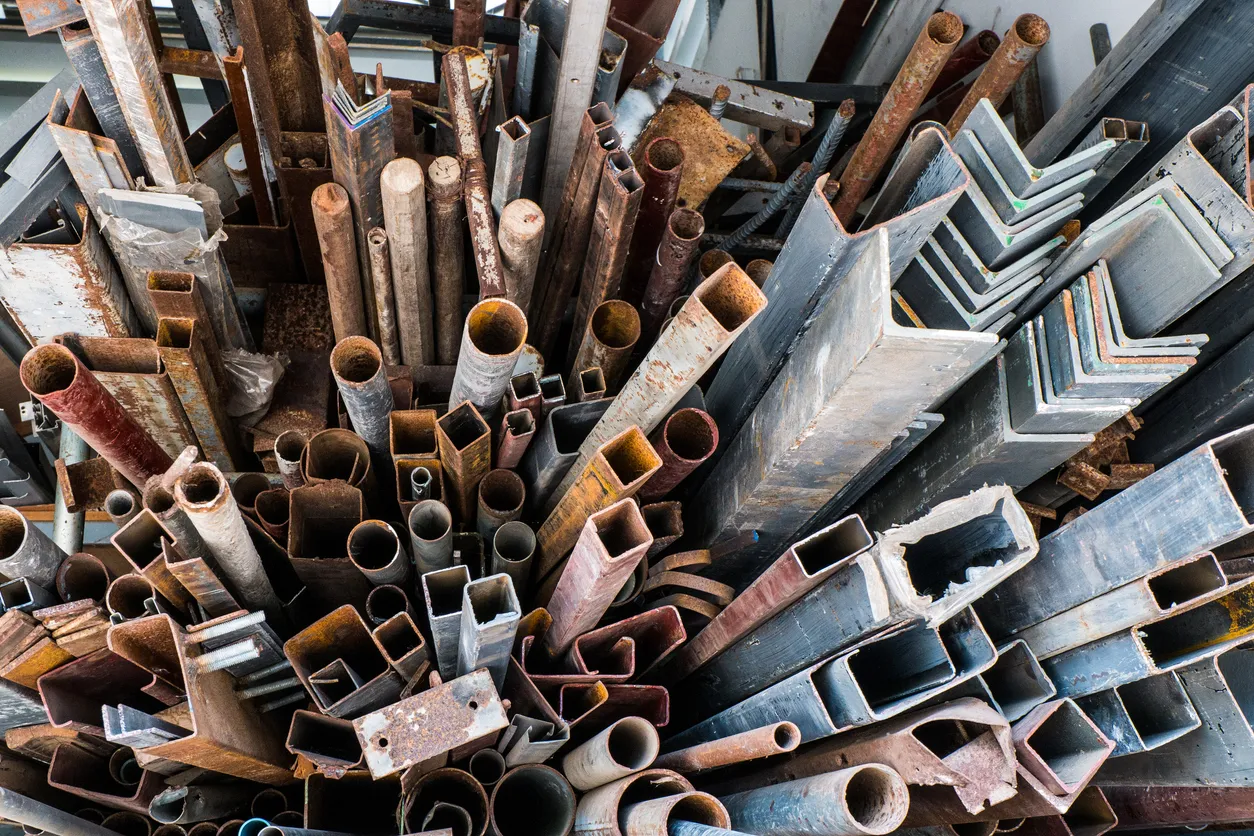
What Factors Determine How Much Your Scrap Metal Is Worth?
Whether you’re a manufacturer, contractor, demolition company, or homeowner, one question always comes up before visiting a recycling facility: How much is my scrap metal worth? The answer isn’t as simple as checking today’s market price. While commodity prices play an important role, several other factors influence the value of scrap metal. Everything from the […]
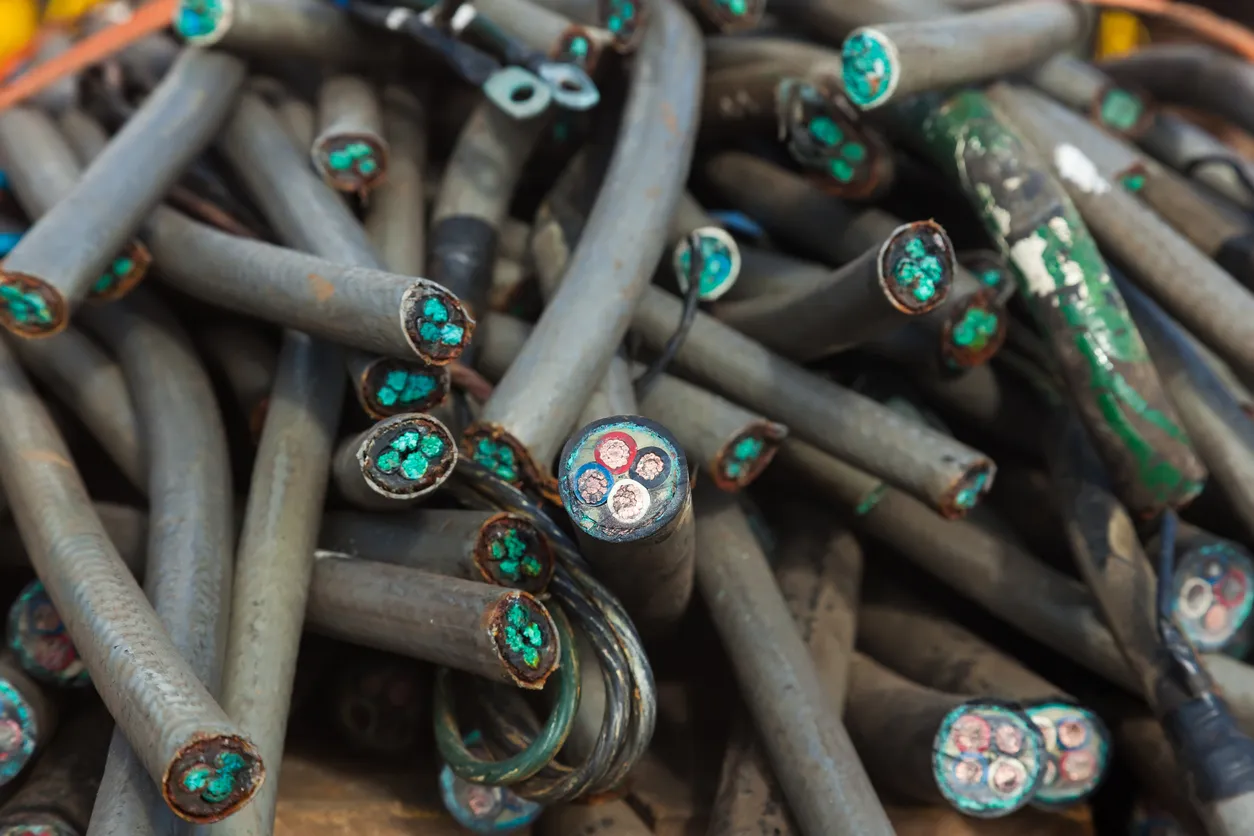
How Do Scrap Yards Grade Insulated Wire?
Insulated wire is one of the most common types of scrap generated by electricians, contractors, manufacturers, utility companies, and demolition crews. While it contains valuable metals like copper or aluminum, the insulation surrounding the conductor means it can’t be graded the same way as clean, bare metal. So, how do scrap yards determine what your […]
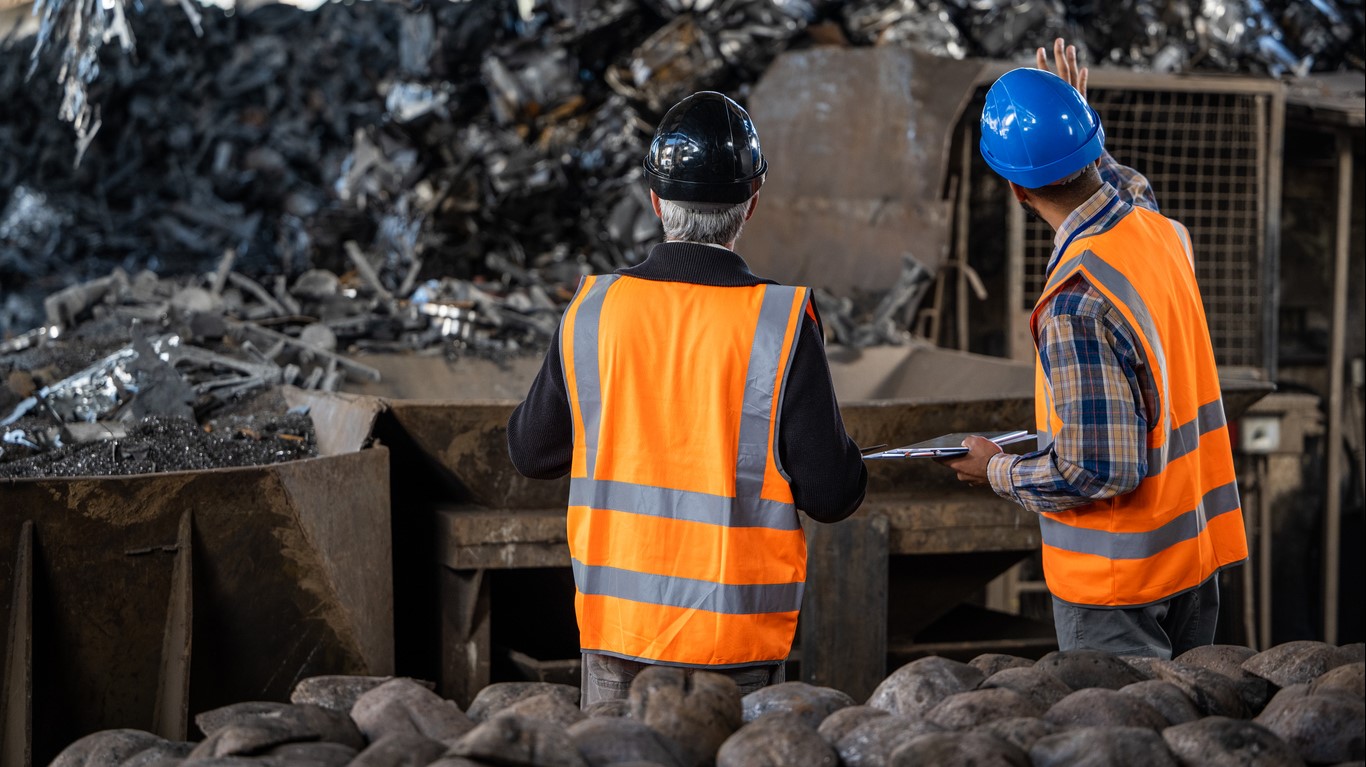
What Should Manufacturers Know About Industrial Scrap Metal Grading Standards?
For manufacturers, scrap metal is more than just a byproduct of production. It represents a recoverable asset that can generate significant revenue when managed correctly. However, the value of scrap metal isn’t determined solely by weight. One of the most important factors affecting pricing is scrap metal grading. Industrial scrap metal grading standards help recyclers, […]

Why Should You Buy Titanium Instead of Stainless Steel?
When selecting materials for industrial, manufacturing, aerospace, marine, medical, or engineering applications, one of the most common questions buyers face is whether to choose titanium or stainless steel. Both materials are known for their strength, durability, and corrosion resistance. However, while stainless steel is often chosen because of its lower upfront cost, titanium offers unique […]
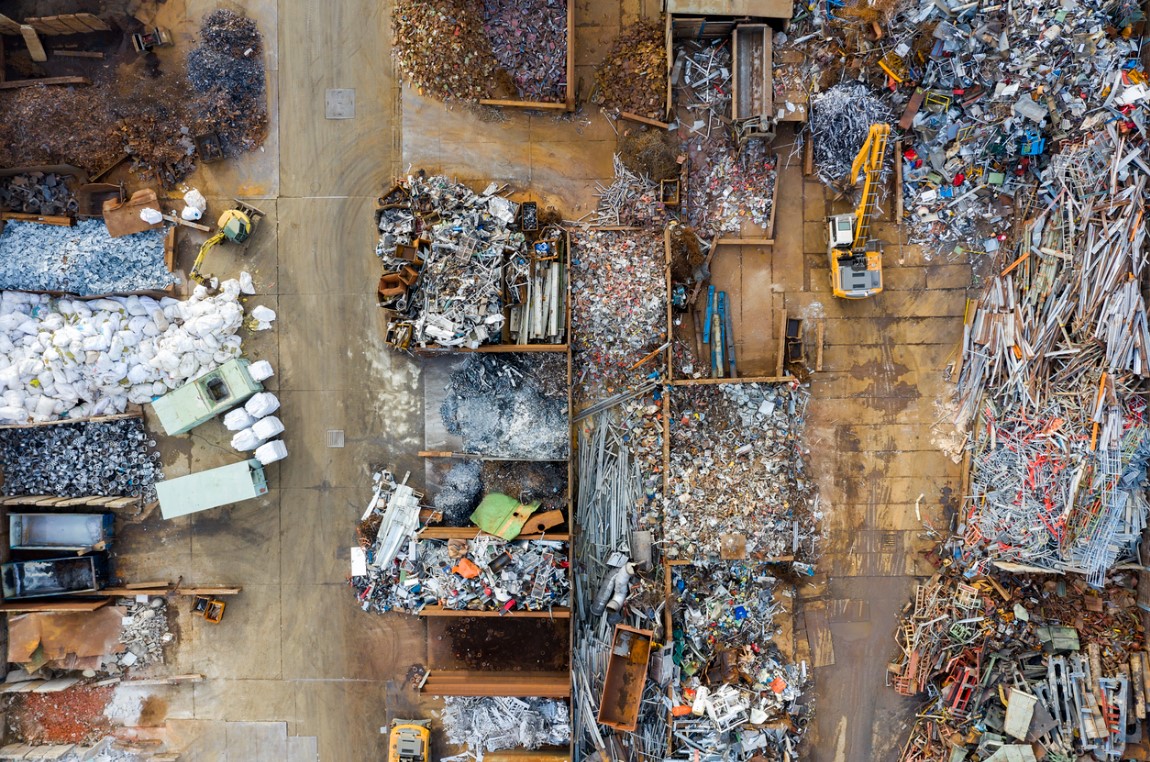
Industrial Scrap Recycling Solutions for New Jersey Manufacturers
Manufacturing remains one of the most important industries in New Jersey, supporting sectors ranging from aerospace and pharmaceuticals to food processing, metal fabrication, electronics, and industrial equipment production. While these industries drive economic growth, they also generate significant volumes of scrap metal as a byproduct of daily operations. For manufacturers, scrap metal is often viewed […]
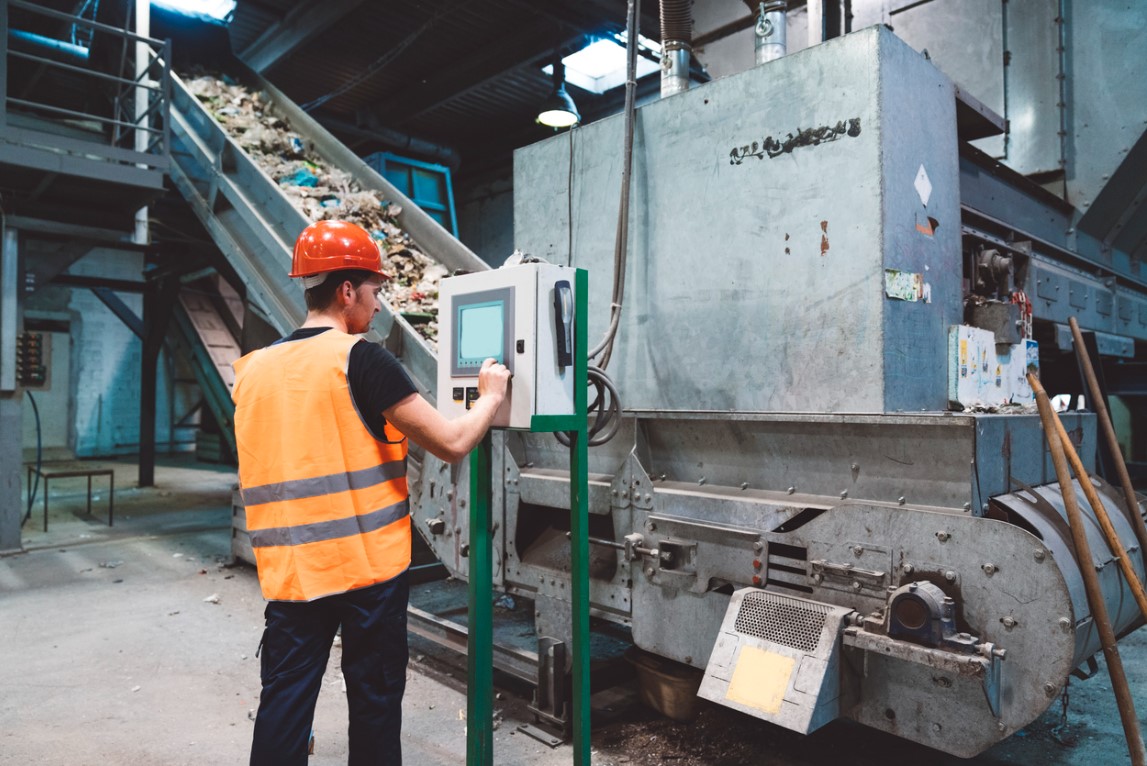
How Technology is Transforming the Scrap Recycling Industry
The scrap recycling industry has come a long way from the days of manual sorting and paper-based inventory tracking. Today, technology is reshaping nearly every aspect of the recycling process right from how scrap is identified and processed to how businesses monitor commodity markets and manage material recovery. As manufacturers, construction firms, and industrial facilities […]
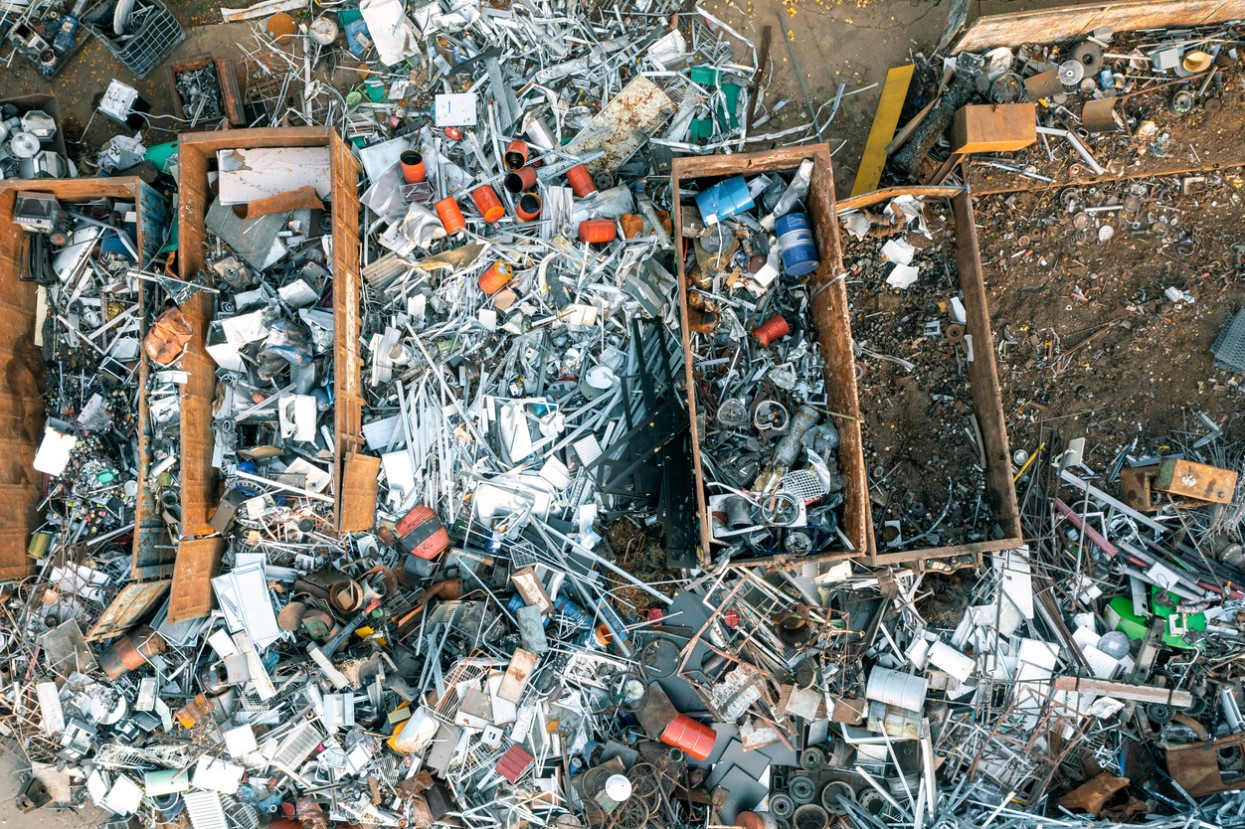
How to Improve Scrap Quality for Better Prices
If you’ve ever sold scrap metal, you already know that not all scrap is valued the same. Two loads with the same weight can earn very different payouts depending on quality. Improving scrap quality is one of the easiest ways to increase your profits without collecting more material. At Clifton Metals, we regularly see customers […]
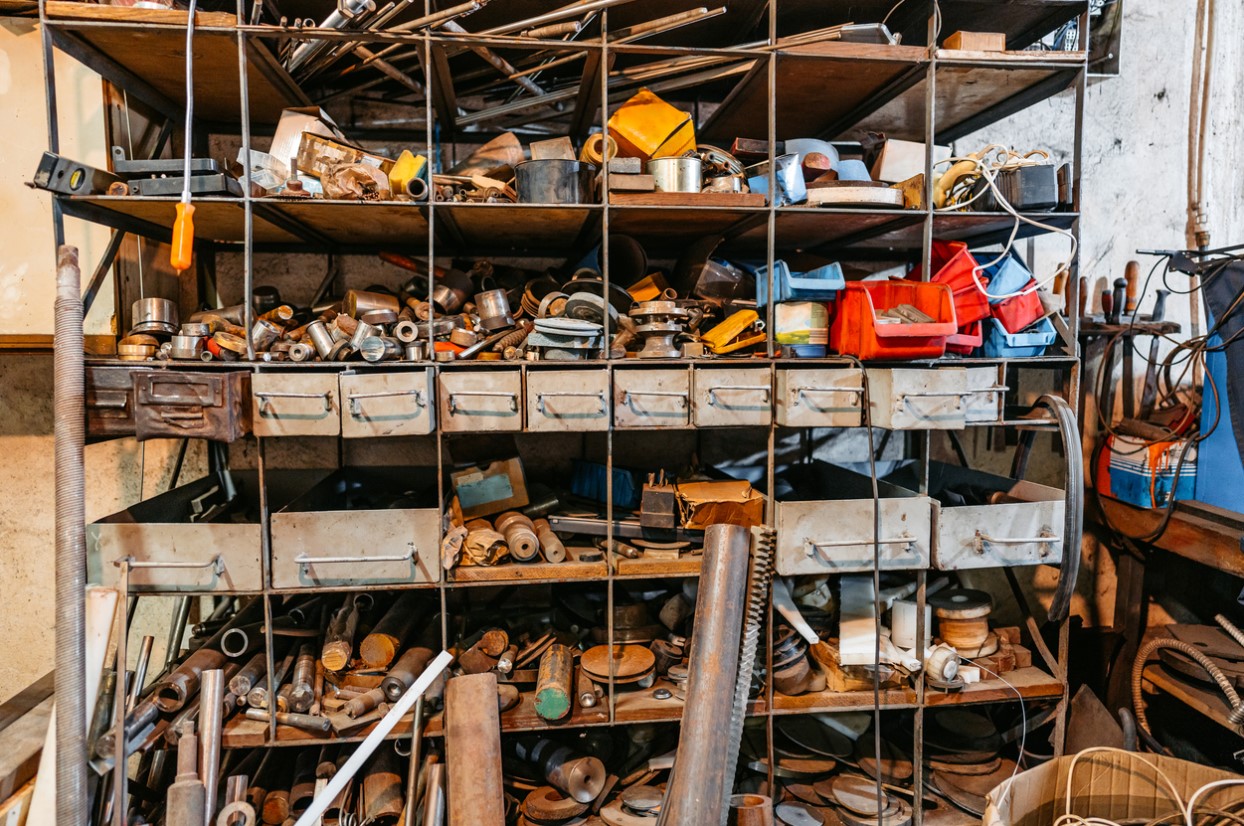
How Local Businesses Benefit from Professional Scrap Management
Running a local business means balancing costs, efficiency, and sustainability. What many business owners don’t realize is that scrap metal waste can become a steady revenue stream instead of an expense. Professional scrap management helps companies handle waste smarter, reduce environmental impact, and improve profits. At Clifton Metals, we work with manufacturers, contractors, and commercial […]
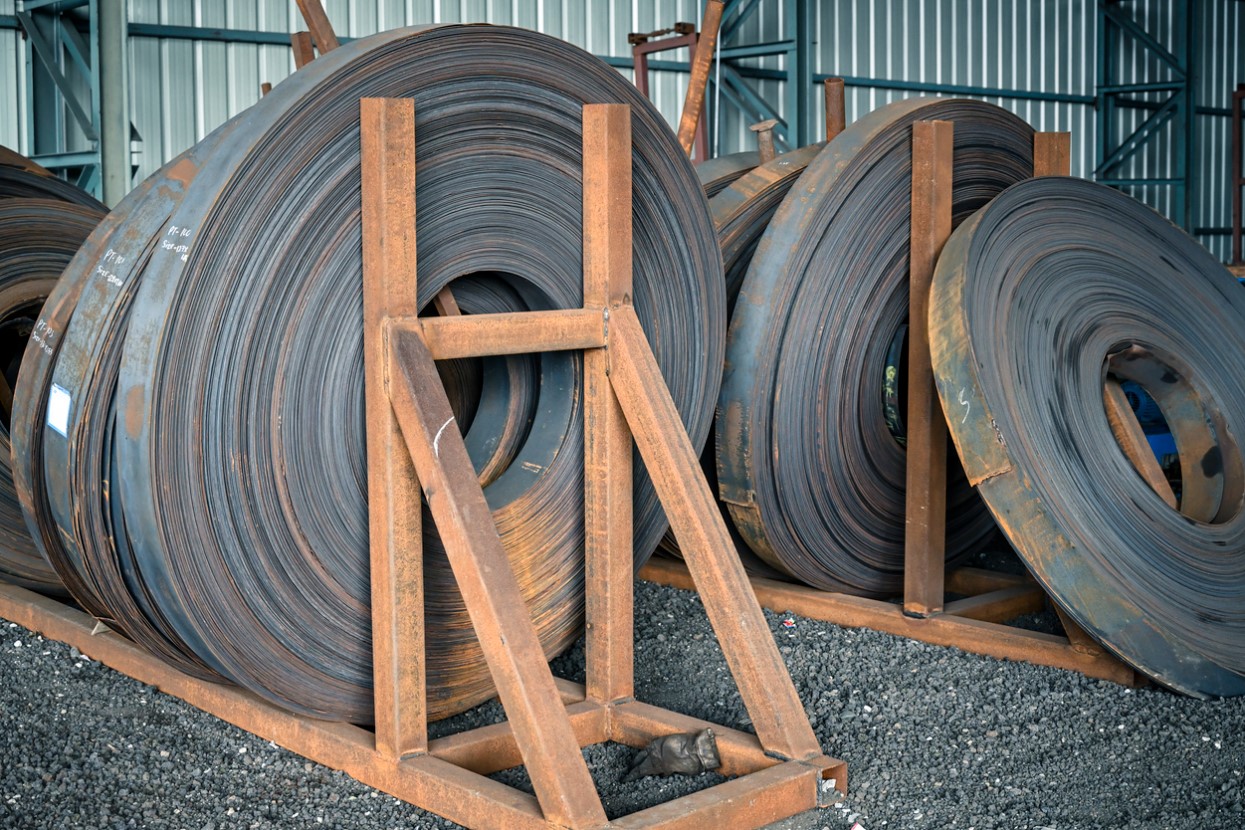
How Carbon Steel Scrap Is Used in Steel Manufacturing
Carbon steel scrap plays a major role in modern steel production. If you’ve ever recycled old machinery, construction beams, or factory offcuts, you’ve contributed directly to the steel supply chain. Today, most steel mills depend heavily on recycled scrap to reduce costs and environmental impact. At Clifton Metals, we help businesses and contractors move carbon […]
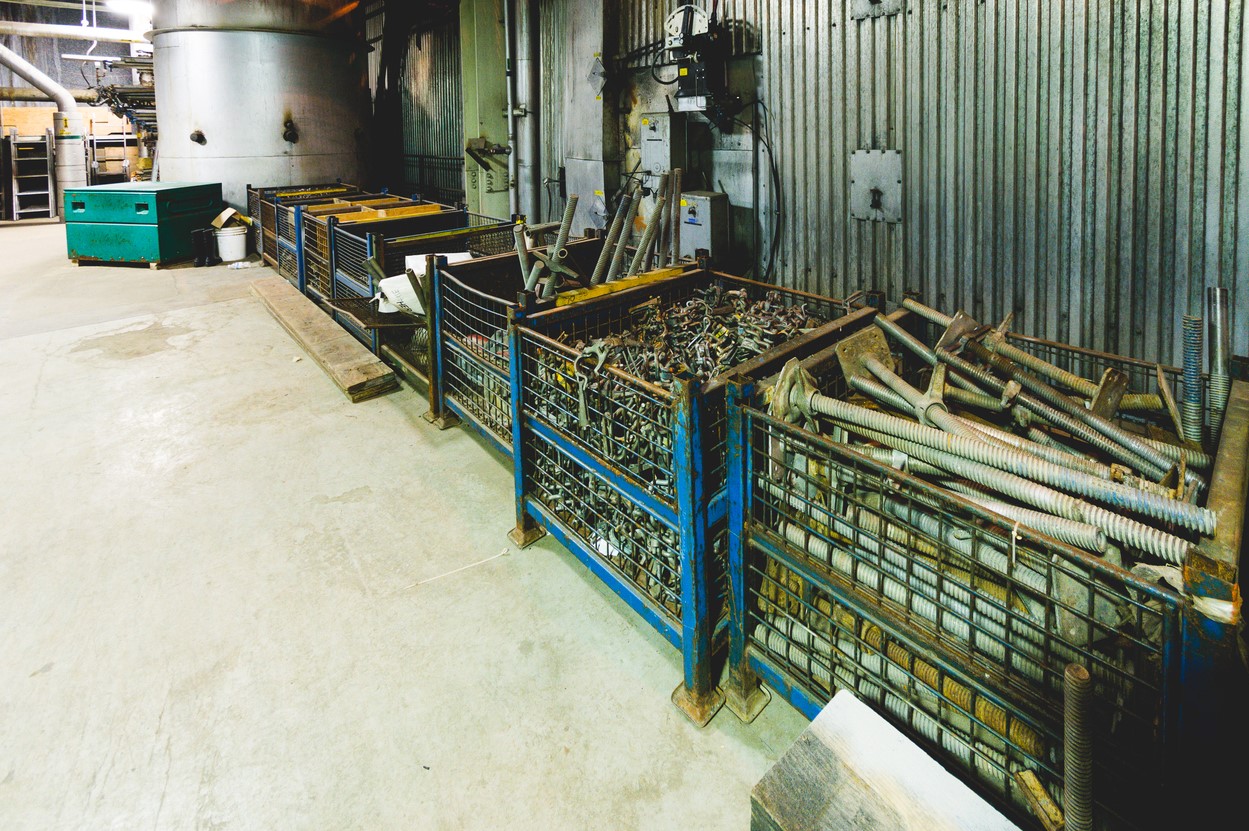
Best Practices for Storing Scrap Metal Safely and Efficiently
Proper scrap metal storage is essential for safety, regulatory compliance, and maintaining material value. Whether you’re a manufacturer, contractor, or recycling facility, poor storage practices can lead to accidents, contamination, and lost revenue. If you want to reduce risks, streamline operations, and maximize returns from your scrap, following proven storage best practices is critical. This […]