How Technology is Transforming the Scrap Recycling Industry
The scrap recycling industry has come a long way from the days of manual sorting and paper-based inventory tracking. Today, technology is reshaping nearly every aspect of the recycling process right from how scrap is identified and processed to how businesses monitor commodity markets and manage material recovery.
As manufacturers, construction firms, and industrial facilities generate increasing volumes of recyclable materials, recyclers are turning to advanced technologies to improve efficiency, accuracy, sustainability, and profitability.
For businesses that rely on scrap recycling services, these innovations are creating faster turnaround times, more transparent pricing, improved recovery rates, and better environmental outcomes.
Here’s a closer look at how technology is transforming the modern scrap recycling industry.
The Growing Need for Smarter Recycling Solutions
Global demand for recycled metals continues to rise as industries seek cost-effective and sustainable alternatives to virgin materials.
At the same time, recyclers face growing challenges:
- Increasing material complexity
- Higher processing costs
- Labor shortages
- Stricter environmental regulations
- Greater demand for supply chain transparency
Technology is helping the industry overcome these challenges while improving the quality and value of recovered materials.
Automated Sorting Systems Are Improving Recovery Rates
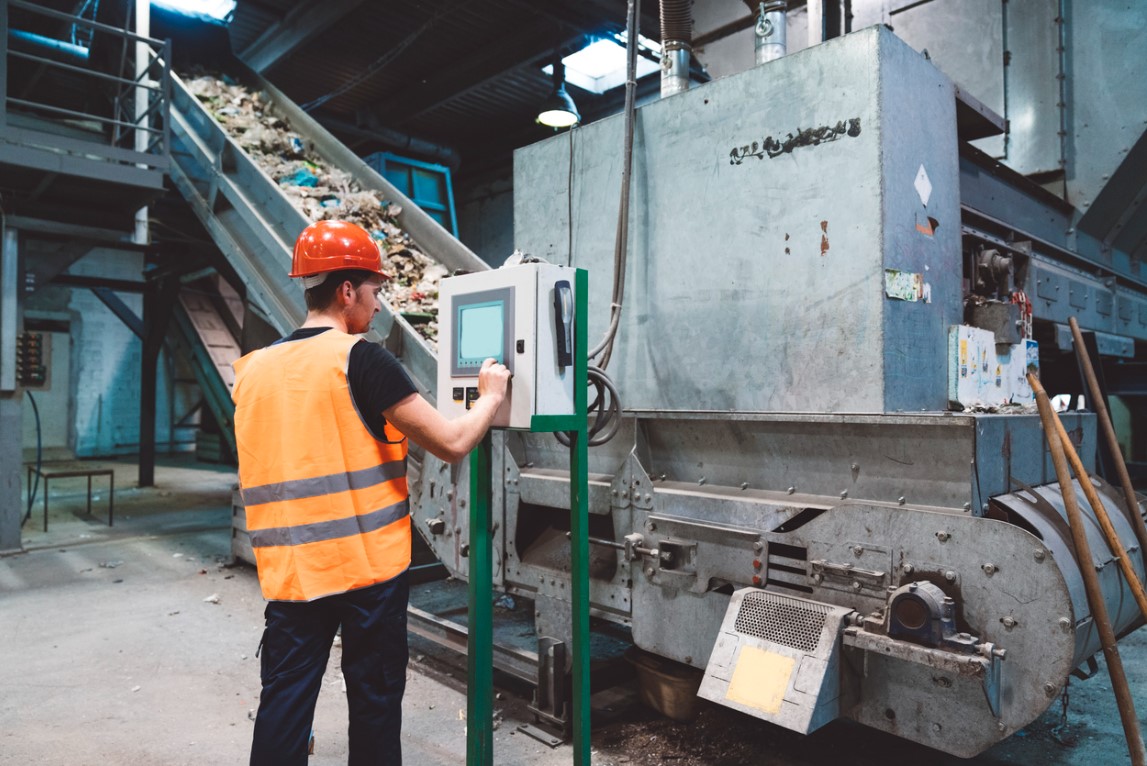
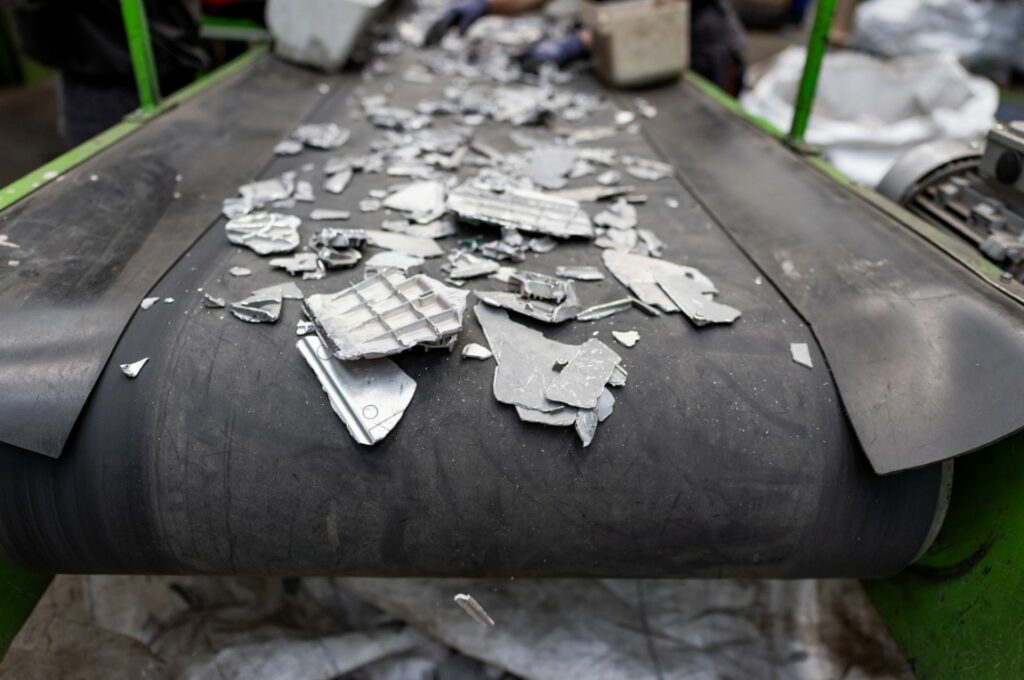
One of the biggest technological advances in scrap recycling is automated material sorting.
Traditionally, recyclers relied heavily on manual labor to identify and separate metals. While experienced operators remain essential, modern sorting equipment significantly increases both speed and accuracy.
Modern Sorting Technologies Include:
- Optical sorting systems
- Eddy current separators
- Magnetic separation equipment
- Sensor-based metal identification
- X-ray fluorescence (XRF) analyzers
These systems help recyclers recover more valuable metals while reducing contamination.
Benefits for Businesses
- Higher recovery rates
- More accurate material grading
- Better pricing transparency
- Faster processing times
Artificial Intelligence Is Enhancing Material Identification
Artificial intelligence (AI) is becoming increasingly important in recycling operations.
AI-powered systems can analyze materials in real time, identifying different metal types with remarkable accuracy.
Applications of AI in Recycling
- Automated scrap classification
- Contamination detection
- Quality control monitoring
- Process optimization
As machine learning models improve, recyclers can process larger volumes of material with fewer errors.
For businesses generating scrap, this often translates into more precise valuations and improved recovery outcomes.
Data Analytics Is Driving Smarter Decisions
Today’s recycling facilities generate large amounts of operational data.
Advanced analytics platforms help recyclers monitor:
- Material flow
- Processing efficiency
- Market pricing trends
- Equipment performance
- Customer recycling volumes
Why This Matters
Data-driven insights allow recyclers to:
- Reduce operational costs
- Improve customer service
- Optimize logistics
- Increase material recovery
Businesses can also benefit from detailed reporting that tracks recycling performance and sustainability metrics.
Real-Time Market Intelligence Is Improving Pricing Transparency
Metal prices can change frequently due to:
- Global demand
- Economic conditions
- Trade policies
- Energy costs
- Geopolitical developments
Technology now enables recyclers to monitor commodity markets in real time.
Advantages for Sellers
- More accurate pricing
- Faster quotes
- Better market visibility
- Improved timing for large sales
This increased transparency helps businesses make more informed decisions when selling scrap materials.
GPS and Logistics Technology Are Streamlining Scrap Collection
Efficient transportation plays a major role in commercial recycling programs.
Modern logistics platforms help recyclers optimize:
- Pickup scheduling
- Route planning
- Fleet management
- Container tracking
Benefits for Businesses
- Faster pickups
- Reduced service interruptions
- Better communication
- More predictable scheduling
Companies generating large volumes of scrap can maintain cleaner and more efficient operations through optimized collection programs.
Mobile Technology Is Making Recycling More Accessible
Mobile apps and customer portals are becoming standard tools across the recycling industry.
These platforms often allow customers to:
- Request pickups
- Track container status
- Access weight tickets
- Review payment history
- Monitor recycling performance
The result is greater convenience and improved visibility throughout the recycling process.
Advanced Metal Analysis Is Improving Accuracy
Modern recycling facilities increasingly use handheld and stationary metal analyzers.
Common Technologies
- XRF analyzers
- Laser-induced breakdown spectroscopy (LIBS)
- Spectrometers
These tools help identify:
- Alloy composition
- Material grade
- Contaminants
- Trace elements
Accurate analysis ensures materials are properly classified and valued.
For businesses, this reduces disputes and improves confidence in pricing.
Automation Is Improving Safety
Safety remains one of the most important priorities in scrap recycling.
Technology helps reduce workplace risks through:
- Automated material handling
- Robotic sorting systems
- Remote equipment monitoring
- Collision avoidance systems
Safety Benefits
- Reduced manual lifting
- Lower exposure to hazardous materials
- Fewer workplace accidents
- Improved operational consistency
As recycling facilities process increasingly complex materials, automation helps create safer working environments.
Sustainability Tracking Is Becoming More Important
Businesses are under growing pressure to demonstrate environmental responsibility.
Modern recycling technology allows organizations to track:
- Material diversion rates
- Carbon reduction estimates
- Recycling volumes
- Sustainability performance indicators
These metrics support:
- ESG reporting
- Corporate sustainability programs
- Regulatory compliance
- Customer transparency
For many companies, measurable sustainability outcomes have become nearly as important as financial returns.
The Rise of Smart Recycling Facilities
The future of recycling is increasingly connected.
Smart facilities combine:
- Automation
- AI
- IoT sensors
- Real-time analytics
- Cloud-based management systems
Together, these technologies help recyclers process materials more efficiently while delivering greater value to customers.
Many leading recycling companies continue investing heavily in technology to remain competitive and meet evolving customer expectations.
What This Means for Businesses Selling Scrap
For businesses generating scrap metal, technological innovation offers several advantages:
Better Financial Outcomes
- More accurate grading
- Improved recovery rates
- Transparent pricing
Improved Service
- Faster pickups
- Better communication
- Streamlined transactions
Stronger Sustainability Results
- Increased recycling rates
- Better environmental reporting
- Reduced waste disposal
Companies working with technology-focused recyclers often benefit from more efficient and profitable recycling programs.
Frequently Asked Questions
Q1: How is AI used in the scrap recycling industry?
A: AI helps identify materials, improve sorting accuracy, detect contamination, and optimize recycling operations.
Q2: What technologies are used to sort scrap metal?
A: Common technologies include optical sorting systems, magnetic separators, eddy current systems, and XRF analyzers.
Q3: How does technology improve scrap metal pricing?
A: Real-time market data and advanced material analysis help recyclers provide more accurate and transparent pricing.
Q4: What are smart recycling facilities?
A: Smart recycling facilities use automation, sensors, AI, and analytics to improve efficiency, safety, and material recovery.
Q5: Does technology improve sustainability in recycling?
A: Yes. Technology increases recovery rates, reduces waste, improves reporting, and helps businesses track environmental performance.
Technology is fundamentally transforming the scrap recycling industry. From AI-powered sorting systems and advanced metal analysis to real-time pricing platforms and smart logistics, innovation is helping recyclers recover more materials, improve efficiency, and deliver greater value to customers.
As sustainability expectations and material demands continue to grow, technology will play an even larger role in shaping the future of recycling.
Looking for a recycling partner that combines industry expertise with modern solutions? Contact Clifton Metals today to learn how our commercial recycling services can help your business maximize scrap value and improve operational efficiency.
Hope the tips mentioned in this article help you to get the best out of your scrap.
Ready to turn your scrap into savings?
Reach out to Clifton Metals to schedule your site assessment and see how easy and profitable on-site scrap management can be.
Are you a manufacturer seeking sustainable metal solutions? Let Clifton Metals’ recycling services highly trained experts in scrap metal handling help power your production with quality recycled metals, keeping costs low and the environment clean. Contact us today to learn more.