The Role of Dumpster Services in Sustainable Metal Recycling
For many businesses, effective scrap management starts long before metal reaches a recycling facility. Whether it’s a manufacturing plant generating production offcuts, a construction company handling demolition debris, or a warehouse replacing outdated equipment, collecting and organizing scrap efficiently is critical to achieving sustainability goals.
That’s where dumpster services for metal recycling play a vital role.
Far more than simple waste containers, modern dumpster and roll-off container programs help businesses improve recycling rates, reduce landfill disposal, increase workplace safety, and maximize the value of recyclable metals. In an era where sustainability and operational efficiency go hand in hand, dumpster services have become an essential part of successful commercial recycling programs.
Why Sustainable Metal Recycling Matters
Metal recycling is one of the most effective forms of resource recovery.
Unlike many materials, metals can be recycled repeatedly without significant degradation in quality. Recycling metal helps conserve natural resources, reduce energy consumption, and lower greenhouse gas emissions associated with mining and raw material processing.
For businesses, sustainable recycling also delivers tangible benefits:
- Reduced waste disposal costs
- Additional revenue from scrap sales
- Improved ESG and sustainability performance
- Better regulatory compliance
- Enhanced operational efficiency
However, achieving these benefits requires an effective collection and transportation system, something that dumpster services are specifically designed to support.
What Are Dumpster Services for Metal Recycling?
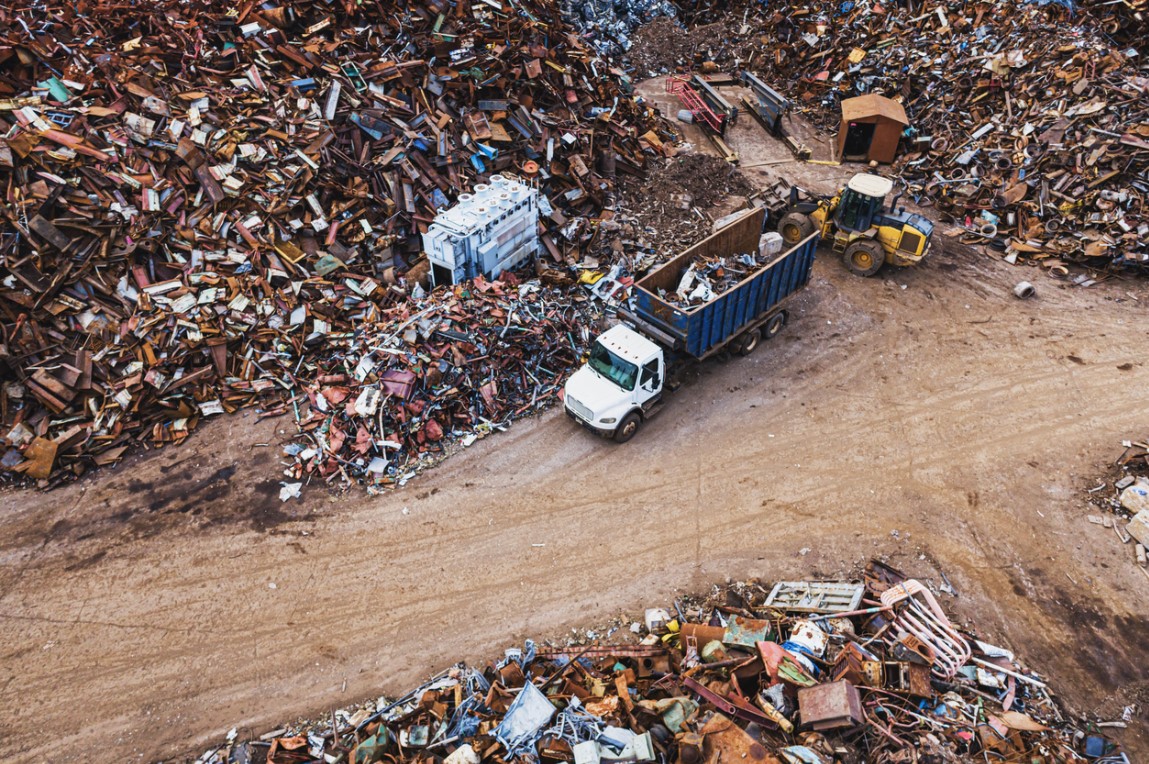
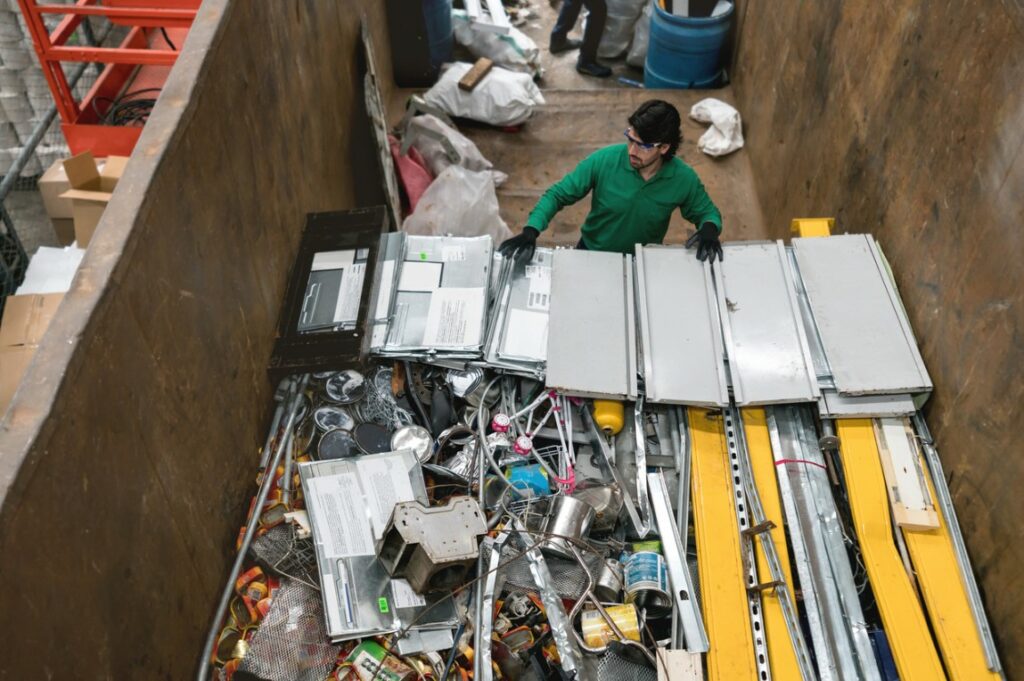
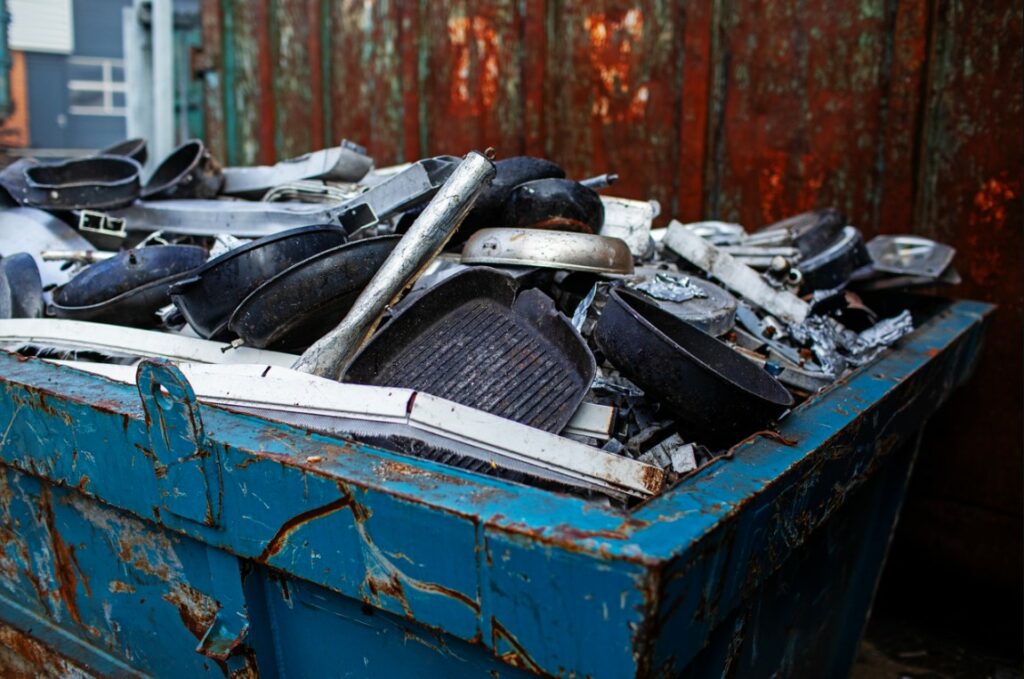
Dumpster services involve providing designated containers that allow businesses to safely collect and store recyclable metals until pickup.
Depending on the operation, recyclers may provide:
- Roll-off containers
- Open-top dumpsters
- Lugger boxes
- Heavy-duty scrap bins
- Custom metal collection containers
These containers are strategically placed on-site to simplify scrap collection and improve recycling efficiency.
How Dumpster Services Support Sustainability
Reducing Landfill Waste
One of the biggest challenges businesses face is preventing recyclable materials from ending up in landfills.
Without designated recycling containers, metal scrap often gets mixed with general waste, making recovery more difficult and expensive.
Dedicated dumpsters encourage employees and contractors to separate recyclable materials from the start.
This results in:
- Higher recycling rates
- Reduced landfill usage
- Better material recovery
Every pound of metal diverted from a landfill contributes to a more sustainable circular economy.
Improving Material Recovery
Proper collection directly impacts the value of recyclable metals.
When materials are stored separately:
- Contamination is reduced
- Sorting becomes easier
- Processing costs decrease
- More material can be recycled
For example, separating steel, aluminum, copper, and stainless steel into dedicated containers often results in higher payouts than selling mixed scrap.
Encouraging Employee Participation
One of the most overlooked benefits of dumpster services is behavioral.
When clearly marked containers are available:
- Recycling becomes easier
- Employees are more likely to participate
- Sustainability initiatives become part of daily operations
Simple infrastructure often drives significant improvements in recycling performance.
Supporting Construction and Demolition Recycling
Construction and demolition projects generate substantial quantities of recyclable metal.
Common materials include:
- Structural steel
- Copper wire
- Aluminum framing
- HVAC components
- Metal roofing
- Reinforcement materials
Without dedicated dumpsters, these materials may be discarded with general debris.
Benefits for Construction Sites
- Faster cleanup
- Improved site organization
- Better recycling rates
- Reduced hauling costs
- Easier regulatory compliance
Many contractors now integrate metal recycling dumpsters into project planning from day one.
Enhancing Workplace Safety
Scrap metal can create serious workplace hazards when improperly managed.
Common risks include:
- Trip hazards
- Sharp edges
- Falling materials
- Congested work areas
Dedicated scrap dumpsters help maintain cleaner, safer facilities by providing a designated location for recyclable materials.
Safety Benefits Include
- Reduced clutter
- Better traffic flow
- Lower injury risk
- Improved housekeeping standards
A cleaner facility is often a more productive facility as well.
Improving Operational Efficiency
Dumpster services simplify scrap management by creating a structured process.
Instead of employees spending time moving or organizing scrap, materials can be deposited directly into designated containers.
Benefits include:
- Reduced labor requirements
- Faster cleanup
- Better inventory of recyclable materials
- Simplified logistics
For high-volume operations, scheduled pickup services further streamline the process.
Maximizing the Value of Scrap Metals
Dumpster services aren’t just about convenience—they can directly affect profitability.
Best Practices
Separate High-Value Metals
Keep copper, brass, and aluminum separate from steel whenever possible.
Prevent Contamination
Avoid mixing:
- Plastic
- Wood
- Concrete
- General trash
with recyclable metals.
Use Proper Container Sizes
Oversized containers may waste space, while undersized containers can create overflow problems.
Working with an experienced recycler helps ensure the right setup for your operation.
Choosing the Right Dumpster Service Provider
Not all recycling programs are created equal.
Businesses should look for providers that offer:
- Flexible container options
- Reliable pickup schedules
- Transparent pricing
- Commercial recycling expertise
- Responsive customer support
Companies such as Clifton Metals help businesses develop customized collection programs designed to improve both sustainability and profitability.
The Future of Sustainable Metal Recycling
As sustainability expectations continue to grow across industries, businesses are placing greater emphasis on waste diversion and resource recovery.
Dumpster services will remain a key part of that strategy by:
- Simplifying material collection
- Increasing recycling rates
- Supporting circular economy initiatives
- Helping businesses meet environmental goals
Organizations that invest in effective collection systems today are likely to see both environmental and financial benefits in the years ahead.
Frequently Asked Questions
Q1: What types of metals can be collected in recycling dumpsters?
A: Most commercial recycling programs accept steel, iron, aluminum, copper, brass, stainless steel, and other recyclable metals.
Q2: Are dumpster services suitable for manufacturing facilities?
A: Yes. Manufacturing operations are among the largest users of scrap collection dumpsters due to the volume of metal waste they generate.
Q3: Can dumpster services improve recycling rates?
A: Absolutely. Dedicated containers make recycling easier and reduce the likelihood of recyclable materials being discarded as waste.
Q4: How often are recycling dumpsters emptied?
A: Pickup frequency depends on the volume of scrap generated. Many businesses use weekly, bi-weekly, or on-demand collection schedules.
Q5: Do dumpster services help reduce waste disposal costs?
A: Yes. Recycling valuable metals can lower landfill fees while generating revenue from recyclable materials.
Dumpster services play a critical role in sustainable metal recycling by providing the infrastructure needed to collect, organize, and recover valuable scrap materials efficiently.
From reducing landfill waste and improving workplace safety to increasing recycling rates and generating additional revenue, a well-designed dumpster program can deliver significant benefits for businesses across multiple industries.
Looking to improve your recycling program? Contact Clifton Metals today to learn how our commercial dumpster services and scrap recycling solutions can help your business achieve its sustainability and operational goals.
Hope the tips mentioned in this article help you to get the best out of your scrap.
Ready to turn your scrap into savings?
Reach out to Clifton Metals to schedule your site assessment and see how easy and profitable on-site scrap management can be.
Are you a manufacturer seeking sustainable metal solutions? Let Clifton Metals’ recycling services highly trained experts in scrap metal handling help power your production with quality recycled metals, keeping costs low and the environment clean. Contact us today to learn more.