Types of Insulated Wire and Their Scrap Prices Explained
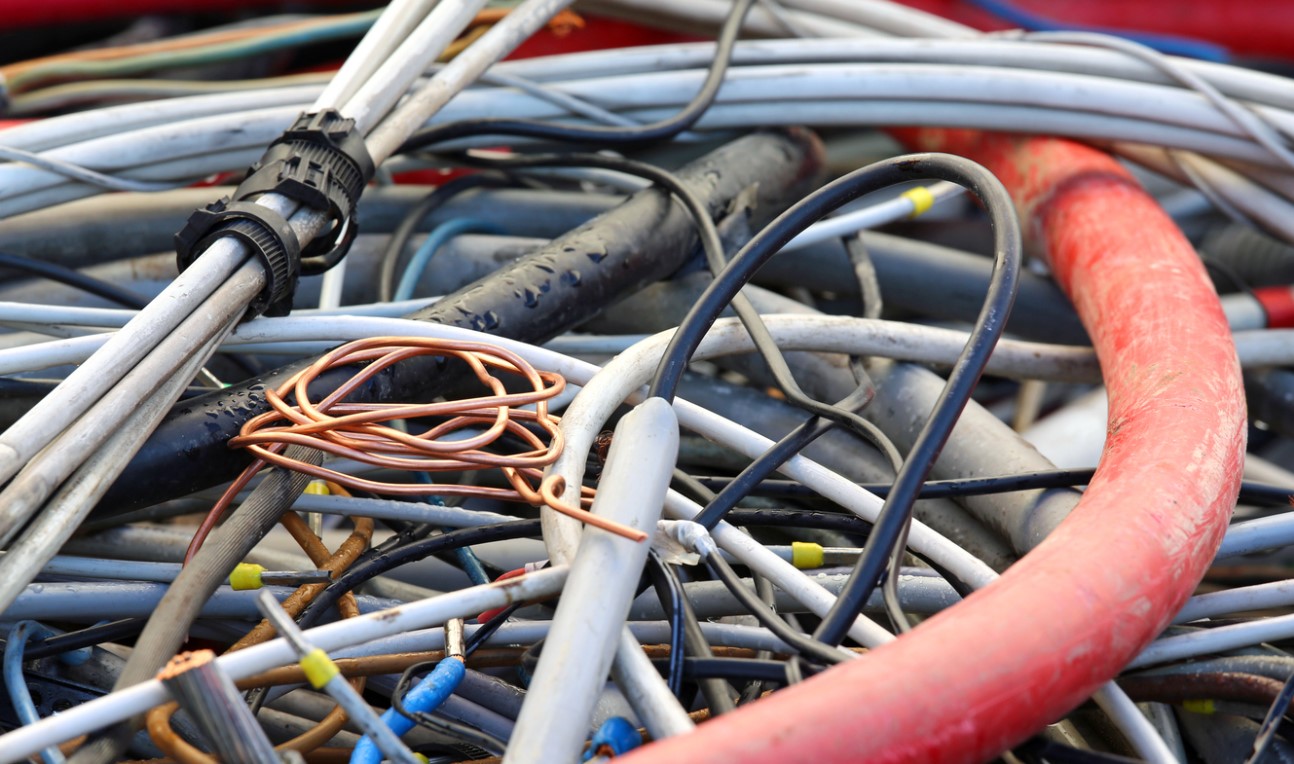
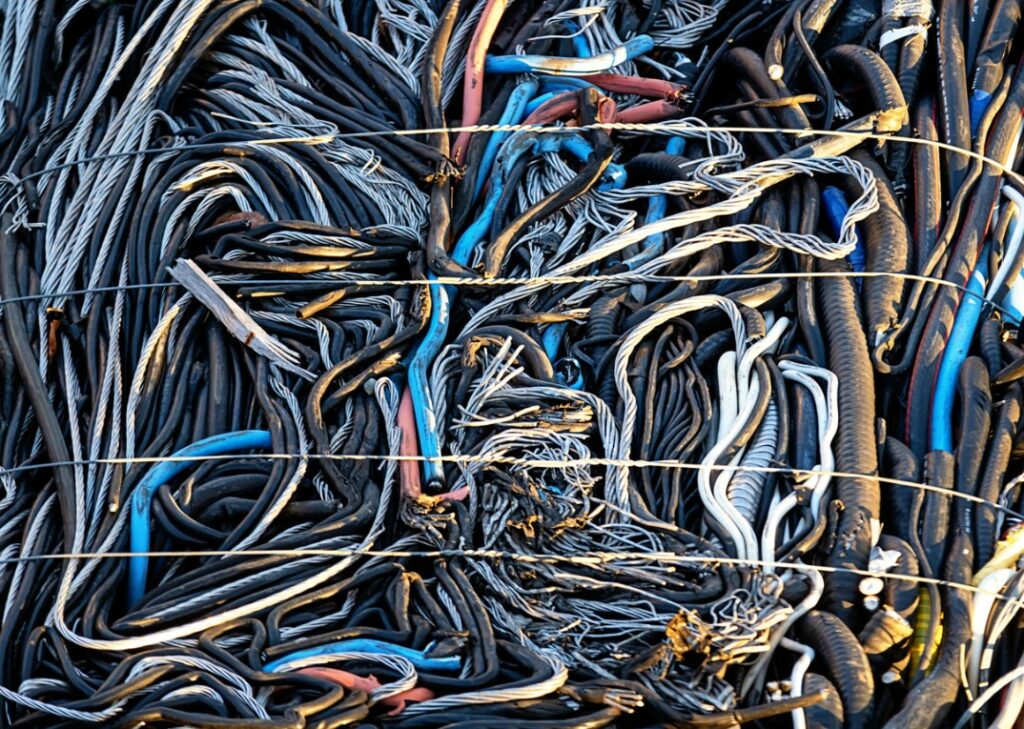
Insulated wire is one of the most common and valuable forms of scrap metal. Whether it comes from electrical systems, industrial equipment, construction projects, or telecommunications infrastructure, scrap insulated wire can generate significant returns when properly identified and sorted.
However, not all insulated wire has the same value. Scrap prices depend on the wire type, copper content, insulation material, and market demand.
This guide explains the most common types of insulated wire, how scrap yards evaluate them, and what businesses can do to maximize profits from wire recycling.
What Is Insulated Wire Scrap?
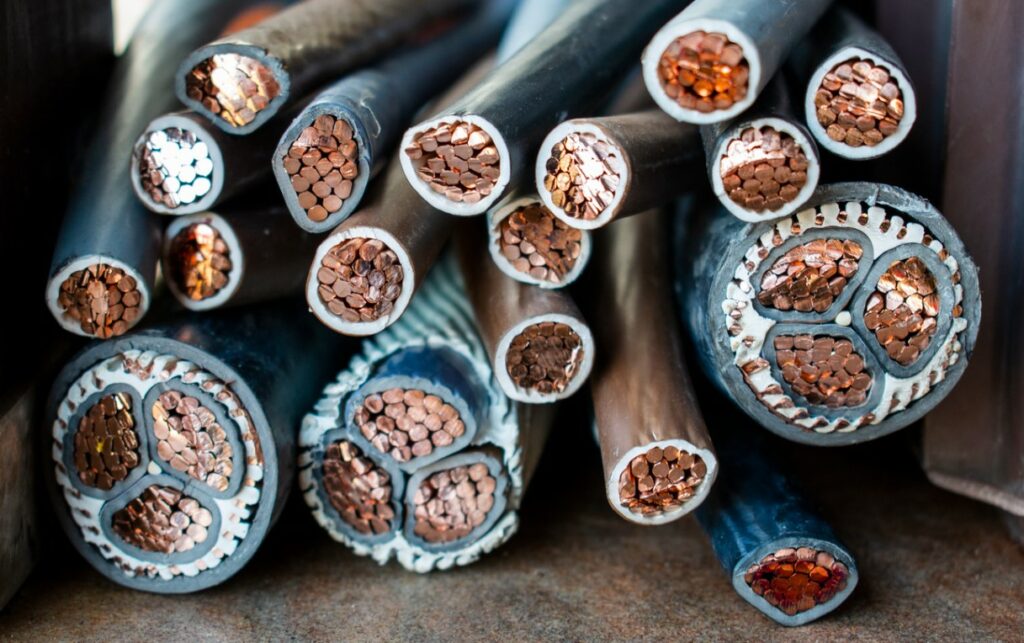
Insulated wire consists of:
- A conductive metal core (usually copper or aluminum)
- Protective insulation made from plastic, rubber, or polymer materials
The value of insulated wire scrap primarily depends on the amount and quality of recoverable metal inside.
Why Copper Wire Scrap Is Valuable
Copper remains one of the most sought-after recyclable metals because of its:
- Excellent electrical conductivity
- Strong industrial demand
- Ability to be recycled repeatedly without losing quality
Industries such as construction, renewable energy, electronics, and EV manufacturing continue to drive strong copper demand across North America.
Common Types of Insulated Wire Scrap
1. THHN Wire
Thermoplastic High Heat-resistant Nylon-coated (THHN) wire is widely used in commercial and residential buildings.
Characteristics:
- Single-strand copper core
- Thin insulation
- High copper recovery rate
Scrap Value:
THHN wire typically commands higher scrap prices because of its clean copper content and lower insulation percentage.
2. Romex Wire
Romex is commonly found in residential electrical systems.
Characteristics:
- Multiple copper conductors
- Plastic outer sheathing
- Moderate copper recovery
Scrap Pricing:
Romex generally receives slightly lower prices than THHN due to additional insulation and mixed materials.
3. Communication and Data Cable
Includes:
- Ethernet cables
- Telephone wires
- Low-voltage communication lines
Why Prices Are Lower:
- Thin copper strands
- Higher insulation-to-metal ratio
These are often classified as low-grade insulated wire scrap.
4. Extension Cords and Appliance Wire
Extension cords and appliance wires contain stranded copper with heavier insulation.
Common Sources:
- Household appliances
- Power tools
- Industrial equipment
Pricing:
Prices vary depending on:
- Copper content
- Plug removal
- Cleanliness of the wire
5. Automotive Wire Harnesses
Modern vehicles contain extensive wiring systems.
Characteristics:
- Mixed copper grades
- Multiple insulation materials
- Connectors and attachments
Scrap Considerations:
Automotive harnesses require more processing, which can reduce payout rates.
6. Aluminum Insulated Wire
Some industrial and utility cables use aluminum instead of copper.
Key Difference:
- Lower value than copper wire
- Still recyclable and profitable in bulk quantities
How Scrap Yards Determine Wire Prices
Scrap yards evaluate insulated wire based on several factors.
Copper Recovery Percentage
This is the most important pricing factor.
Examples:
Wire Type | Typical Recovery |
THHN | High |
Romex | Medium |
Data Cable | Low |
Higher copper recovery = higher payout.
Current Copper Market Prices
Copper prices fluctuate daily based on:
- Global supply and demand
- Construction activity
- Manufacturing demand
- Geopolitical events
Recent market volatility has significantly influenced copper scrap pricing due to:
- Supply chain disruptions
- Energy costs
- Increased electrification demand
Cleanliness and Contamination
Clean wire earns better rates.
Lower Value Factors:
- Corrosion
- Excessive attachments
- Dirt or oil contamination
Quantity and Volume
Large commercial loads often qualify for:
- Better pricing
- Dedicated pickup services
- Long-term recycling agreements
Estimated Scrap Price Ranges for Insulated Wire
Note: Prices fluctuate frequently based on local and global markets.
Wire Type | Approximate Scrap Value |
THHN Wire | High |
Romex Wire | Medium-High |
Data Cable | Low |
Extension Cords | Medium |
Automotive Harnesses | Medium |
Aluminum Wire | Lower |
For accurate updated rates, businesses should contact local recyclers directly.
Tips to Maximize Insulated Wire Scrap Value
Separate Wire Types
Do not mix high-grade and low-grade wire.
Remove Attachments
Remove plugs, connectors, and steel components where possible.
Keep Wire Clean
Dry, uncontaminated wire receives higher payouts.
Monitor Copper Markets
Selling during strong copper markets can increase profits significantly.
Work with Experienced Recyclers
Professional recyclers like Clifton Metals help businesses:
- Properly classify wire
- Improve recovery value
- Streamline collection and logistics
Frequently Asked Questions (FAQ)
Q1. What type of insulated wire is worth the most?
A: THHN wire is often among the highest-value insulated wires due to its high copper recovery rate.
Q2. Why is copper wire more valuable than aluminum wire?
A: Copper has better conductivity and higher industrial demand, making it more valuable.
Q3. Can insulated wire be recycled without stripping it?
A: Yes. Most scrap yards buy insulated wire without stripping, though stripped copper typically earns more.
Q4. What lowers insulated wire scrap prices?
A: Heavy insulation, contamination, and mixed materials reduce scrap value.
Q5. How often do wire scrap prices change?
A: Copper-based wire prices can change daily based on market conditions.
Understanding Wire Scrap Means Better Returns
Not all insulated wire scrap is equal. Understanding wire types, copper recovery rates, and market pricing helps businesses maximize recycling revenue while improving operational efficiency.
With copper demand expected to remain strong, properly managing insulated wire scrap can become a valuable long-term revenue stream.
Contact Clifton Metals to get competitive pricing and expert solutions for insulated wire recycling.
Hope the tips mentioned in this article help you to get the best out of your scrap.
Ready to turn your scrap into savings?
Reach out to Clifton Metals to schedule your site assessment and see how easy and profitable on-site scrap management can be.
Are you a manufacturer seeking sustainable metal solutions? Let Clifton Metals’ recycling services highly trained experts in scrap metal handling help power your production with quality recycled metals, keeping costs low and the environment clean. Contact us today to learn more.