Best Practices for Storing Scrap Metal Safely and Efficiently - Clifton Metals

Best Practices for Storing Scrap Metal Safely and Efficiently

Proper scrap metal storage is essential for safety, regulatory compliance, and maintaining material value. Whether you’re a manufacturer, contractor, or recycling facility, poor storage practices can lead to accidents, contamination, and lost revenue.

If you want to reduce risks, streamline operations, and maximize returns from your scrap, following proven storage best practices is critical. This guide covers expert-backed strategies used across North America’s industrial scrap sector.

Best Practices for Storing Scrap Metal Safely and Efficiently - Clifton Metals

Why Proper Scrap Metal Storage Matters

Improper storage doesn’t just create clutter, it can cause serious operational and safety problems.

Key Risks of Poor Storage

  • Workplace injuries from sharp or unstable scrap piles
  • Environmental contamination from oils or hazardous residues
  • Reduced scrap value due to mixing metals
  • Fire hazards in facilities storing combustible metals

According to North American recycling safety guidelines, organized storage significantly reduces accident risks and improves efficiency.

1. Separate and Categorize Scrap Metals

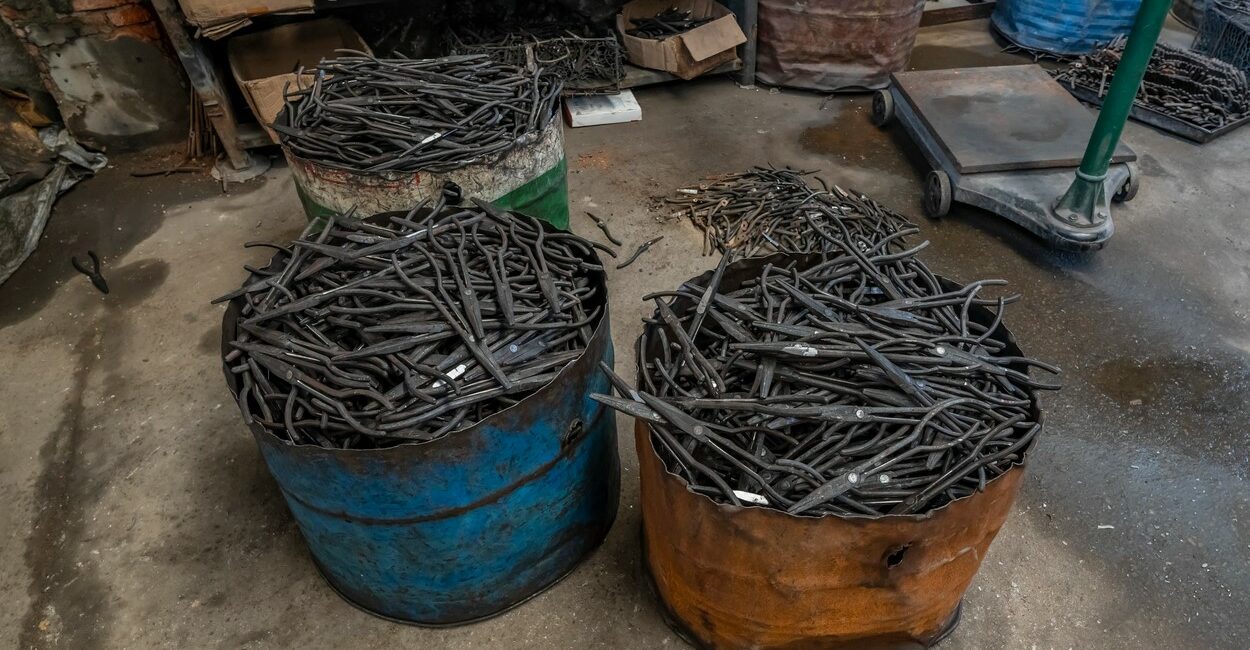
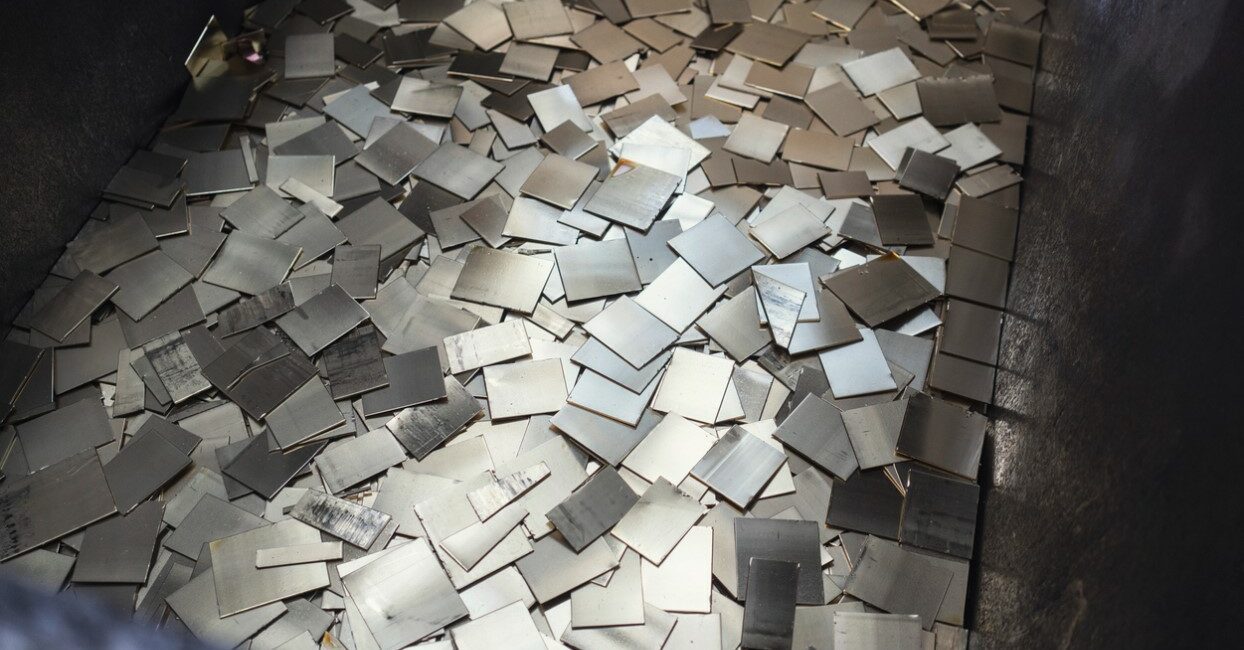
One of the most important practices is sorting metals by type.

Why Segregation Matters

Mixing metals lowers resale value and increases processing costs.

Best Sorting Practices

  • Separate ferrous and non-ferrous metals
  • Use labeled containers or color-coded bins
  • Store high-value metals like copper and aluminum securely
  • Keep coated or contaminated metals isolated

Many scrap processors, including Clifton Metals, recommend sorting at the source to maximize returns.

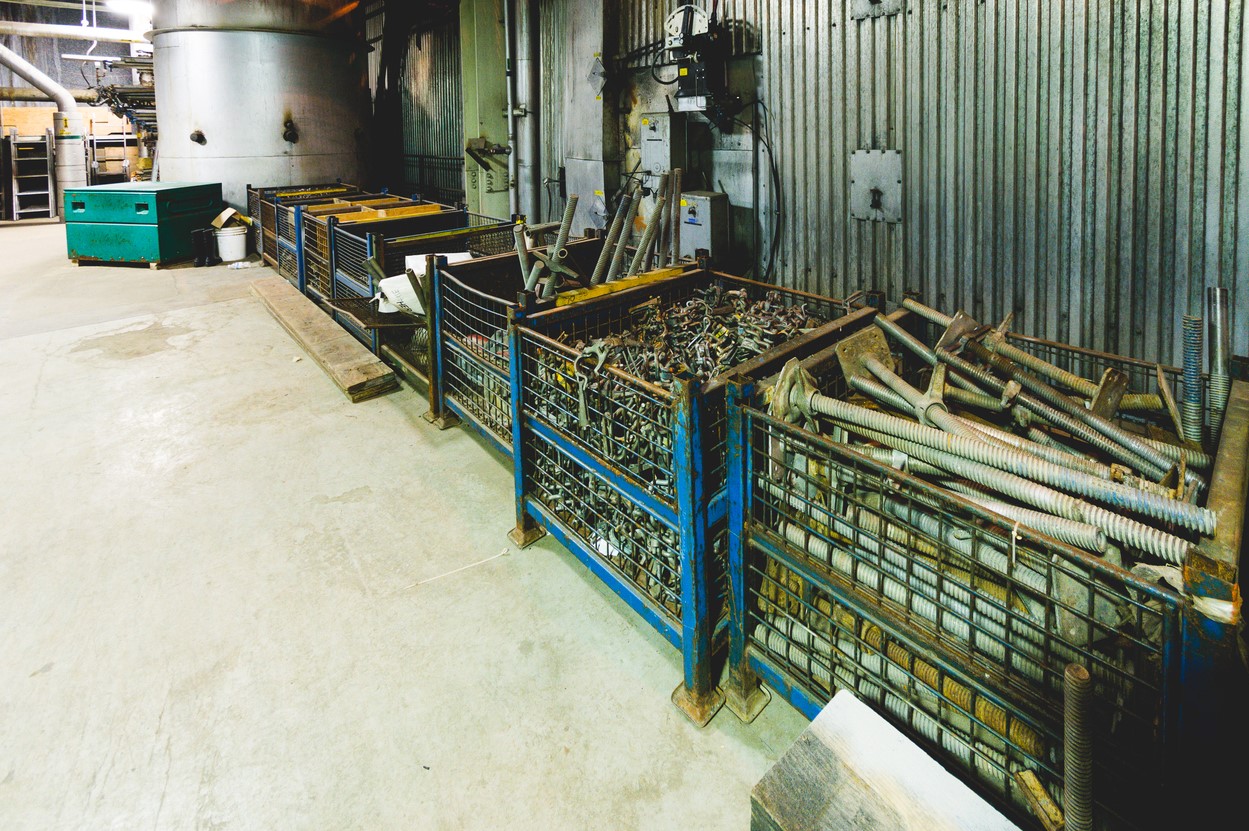
2. Store Scrap in Designated, Stable Areas

Random piles create hazards and inefficiencies.

Ideal Storage Conditions

  • Use clearly marked storage zones
  • Place heavy scrap on stable surfaces
  • Avoid stacking materials too high
  • Keep pathways clear for equipment access

Indoor vs Outdoor Storage

Storage Type

Best For

Indoor

High-value metals, small scrap

Covered outdoor

Large industrial scrap

Open yard

Steel and bulky materials

3. Prevent Contamination and Corrosion

Contamination reduces scrap value significantly.

How to Protect Scrap Quality

  • Store metals away from moisture
  • Use covers or sheds for outdoor storage
  • Remove oils, grease, and residues
  • Avoid mixing clean and dirty scrap

Moisture exposure can cause corrosion, reducing resale value by up to 30% in some markets.

4. Follow Safety and Compliance Standards

Industrial scrap storage must meet workplace and environmental regulations.

Key Safety Measures

  • Provide protective barriers around sharp scrap
  • Train employees in handling procedures
  • Use proper lifting equipment
  • Install fire prevention systems

Regulatory Considerations

Facilities must comply with:

  • OSHA safety guidelines
  • Environmental protection standards
  • Local waste storage regulations

Failure to follow compliance rules can result in costly fines.

5. Optimize Storage for Efficiency and Profit

Efficient storage isn’t just about safety — it directly impacts operational costs and revenue.

Efficiency Tips

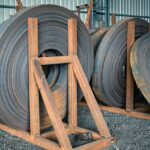
  • Use vertical storage racks where possible
  • Implement inventory tracking systems
  • Schedule regular scrap pickups
  • Consolidate loads to reduce transport costs

Many industrial facilities partner with professional scrap management companies to streamline storage logistics.

Aluminum vs Steel Sheet Price Comparison - Clifton Metals

Real-World Example: Manufacturing Facility Success

A mid-sized automotive parts manufacturer improved scrap handling by:

  • Implementing labeled bins for metal types
  • Building covered storage areas
  • Training employees on sorting practices

Results:

  • 25% increase in scrap resale value
  • 40% reduction in storage-related accidents
  • Faster scrap collection processes

Safe Storage Means Better Value

Effective scrap metal storage practices protect workers, maintain material quality, and improve profitability. By implementing proper segregation, stable storage areas, contamination prevention, and compliance standards, businesses can turn scrap management into a strategic advantage.

Frequently Asked Questions (FAQ)

Q1. What is the safest way to store scrap metal?

A: The safest method is to store scrap in labeled containers, segregated by type, in stable and designated storage areas.

Q2. Why should scrap metals be separated?

A: Separating metals prevents contamination, maintains value, and simplifies recycling processes.

Q3. Can scrap metal be stored outdoors?

A: Yes, but it should be covered or protected from moisture to prevent corrosion.

Q4. What are common scrap storage hazards?

A: Sharp edges, unstable piles, contamination, and fire risks are common hazards.

Q5. How often should scrap metal be collected?

A: Collection frequency depends on volume, but regular pickups prevent overcrowding and safety risks.

If you’re looking to improve your scrap handling process, working with experienced recyclers can make a significant difference.

Hope the tips mentioned in this article help you to get the best out of your scrap.

Ready to turn your scrap into savings?
Reach out to Clifton Metals to schedule your site assessment and see how easy and profitable on-site scrap management can be.

Are you a manufacturer seeking sustainable metal solutions? Let Clifton Metals’ recycling services highly trained experts in scrap metal handling help power your production with quality recycled metals, keeping costs low and the environment clean. Contact us today to learn more.