What to Look for When Choosing a Scrap Metal Buyer - Clifton Metals

What Should You Look for When Choosing a Scrap Metal Buyer?

Choosing the right scrap metal buyer can have a meaningful impact on your recycling revenue, especially when your business generates material consistently. The highest quoted price is not necessarily the best deal if grading is unclear, pickups are unreliable, or deductions appear after the material has been weighed.

For manufacturers, contractors, demolition companies, utilities, and other commercial operations, the better approach is to evaluate the entire recycling relationship. Pricing matters, but so do accurate grading, logistics, documentation, compliance, and the buyer’s ability to handle your particular materials.

Here are the factors worth examining before choosing a scrap metal buyer.

What to Look for When Choosing a Scrap Metal Buyer - Clifton Metals

1. Look for Transparent and Competitive Pricing

Scrap metal prices fluctuate with commodity markets, supply and demand, regional conditions, and the quality of the material being sold. A reputable buyer should be able to explain how your price is determined. Ask about:

  • The metal grade being purchased
  • Current market benchmarks
  • Pricing deductions
  • Processing or transportation charges
  • How and when the final price is established

A quote that sounds impressive until the invoice arrives is one of humanity’s less charming traditions.

For larger commercial accounts, it can also be useful to compare proposals from multiple buyers and evaluate the complete financial arrangement rather than focusing only on a quoted price per pound.

2. Make Sure the Buyer Understands Scrap Grades

Accurate grading is essential because different grades of the same metal can have substantially different values. A knowledgeable buyer should be able to distinguish between materials such as:

  • Bare bright copper
  • #1 and #2 copper
  • Insulated copper wire
  • Aluminum alloys
  • Brass
  • Stainless steel
  • Carbon steel
  • Cast iron

The Recycled Materials Association (ReMA) maintains widely used scrap specifications that provide a common framework for describing traded recyclable commodities. ReMA explains that these specifications are guidelines that buyers and sellers can mutually agree to use, rather than regulations that automatically govern every transaction.

Ask your prospective buyer which specifications they use and how borderline or mixed materials are handled.

3. Check Whether They Offer Reliable Pickup Services

For a business generating scrap every day, transportation quickly becomes part of the economics. A good commercial buyer should be able to provide an appropriate collection solution based on your operation. Potential services include:

  • Roll-off containers
  • Lugger boxes
  • Scrap bins
  • Scheduled pickups
  • On-demand collection
  • Specialized equipment for heavy or oversized material

The right container and pickup schedule can reduce handling, prevent overflowing scrap areas, and keep production areas organized.

4. Evaluate Their Ability to Handle Your Materials

Not every scrap buyer is equipped to process every type of material. Before entering an agreement, determine whether the buyer regularly handles the metals your business generates. This is particularly important if your facility produces:

  • Specialty alloys
  • Stainless steel
  • Copper wire
  • Aluminum grades
  • Titanium
  • Industrial machinery
  • Mixed manufacturing scrap

A buyer familiar with your material stream is more likely to provide accurate grading and appropriate processing.

5. Ask About Weighing and Documentation

Weight is fundamental to the transaction, so the process should be easy to understand. Commercial sellers should look for clear documentation showing:

  • Gross and net weight
  • Material classification
  • Applicable deductions
  • Price per unit
  • Total payment

Consistent records are particularly useful for companies tracking scrap revenue across multiple facilities or reporting recycling performance internally.

6. Consider Their Environmental and Compliance Practices

A recycling company isn’t simply a buyer. It is also part of your waste and material management chain. EPA guidance emphasizes the importance of choosing responsible recyclers, particularly when materials may involve hazardous secondary materials or environmental risks. A responsible buyer should have appropriate procedures for handling materials that may contain:

  • Oils and lubricants
  • Batteries
  • Refrigerants
  • Electronic components
  • Other potentially hazardous substances

The EPA specifically identifies pollution-prevention concerns in the scrap metal sector, including releases involving oils, lead-acid battery contents, and refrigerants.

7. Review Their Reputation and Industry Experience

Price isn’t the only indicator of a good recycling partner. Look for evidence of:

  • Established commercial relationships
  • Industry experience
  • Responsive customer service
  • Consistent payment practices
  • Reliable logistics
  • Knowledgeable staff

For businesses selling significant quantities of scrap, a stable long-term relationship can be more valuable than chasing whichever buyer happens to advertise the highest price on a particular day.

What to Look for When Choosing a Scrap Metal Buyer - Clifton Metals

8. Make Sure Their Service Area Works for You

A buyer’s location and logistics network can directly affect your costs. A nearby recycling partner may offer:

  • Lower transportation expenses
  • Faster container exchanges
  • More flexible pickup scheduling
  • Better response times

This is especially important for manufacturers and contractors generating scrap continuously rather than occasionally.

9. Ask How They Handle Mixed or Contaminated Loads

This is an easy issue to overlook until it becomes expensive. Before signing an agreement, ask:

  • What constitutes contamination?
  • How are contaminated loads graded?
  • Are deductions explained before payment?
  • Can mixed loads be sorted?
  • Can the buyer help improve material separation?

A good buyer should be willing to explain these policies rather than treating them as mysterious accounting rituals.

10. Look for a Buyer That Can Grow With Your Business

Your scrap requirements may change as production volumes, equipment, and projects change. A useful recycling partner should be capable of adapting through:

  • Additional containers
  • Increased pickup frequency
  • New material streams
  • Multi-location service
  • Customized reporting
  • Long-term recycling programs

This matters particularly for manufacturers and contractors whose scrap volumes can vary considerably from month to month.

How to Compare Scrap Metal Buyers

Before making a decision, compare potential buyers using the same criteria.

Factor

What to Check

Pricing

Competitive rates and transparent deductions

Grading

Clear material specifications

Weighing

Accurate, documented weights

Pickup

Reliable scheduling and suitable containers

Materials

Ability to handle your specific scrap

Compliance

Appropriate environmental and operating practices

Reporting

Weight, pricing, and recycling documentation

Service

Responsiveness and commercial support

The best buyer is usually the one offering the strongest overall value, not necessarily the highest advertised number.

Choosing a Scrap Metal Buyer in New Jersey

For businesses operating in New Jersey, regulatory considerations deserve particular attention. New Jersey’s environmental rules govern recycling centers and requirements for the handling, storage, processing, and transfer of recyclable materials.

Businesses should therefore verify that their recycling partner is properly equipped and authorized for the services and materials involved. This is particularly important when dealing with large industrial scrap streams or materials requiring specialized handling.

Choosing a scrap metal buyer should be treated as a business decision rather than a simple search for the highest price. Transparent pricing, accurate grading, dependable pickups, proper documentation, environmental responsibility, and experience with your specific materials all contribute to the value of a recycling relationship.

Frequently Asked Questions

Q) What should I ask a scrap metal buyer before selling?

A) Ask how they grade your material, determine pricing, calculate weights, handle contamination, schedule pickups, and document transactions.

Q) Does the highest scrap price always mean the best buyer?

A) Not necessarily. Transportation costs, deductions, grading accuracy, payment terms, and service reliability can affect the actual value of a transaction.

Q) How do scrap metal buyers determine grades?

A) They evaluate the material’s metal type, composition, purity, physical condition, contamination, and other characteristics according to applicable industry specifications.

Q) Why is accurate scrap weighing important?

A) Payment is generally based on the quantity and grade of material. Clear weight documentation helps businesses verify that the transaction was calculated correctly.

Q) Should businesses choose a local scrap metal buyer?

A) A local buyer can provide logistical advantages, particularly for businesses requiring frequent pickups or container exchanges. However, service capabilities and pricing should also be considered.

Q) Can a scrap metal buyer help improve recycling practices?

A) Yes. Experienced commercial recyclers can often recommend better sorting, container placement, pickup schedules, and material preparation to improve efficiency and value.
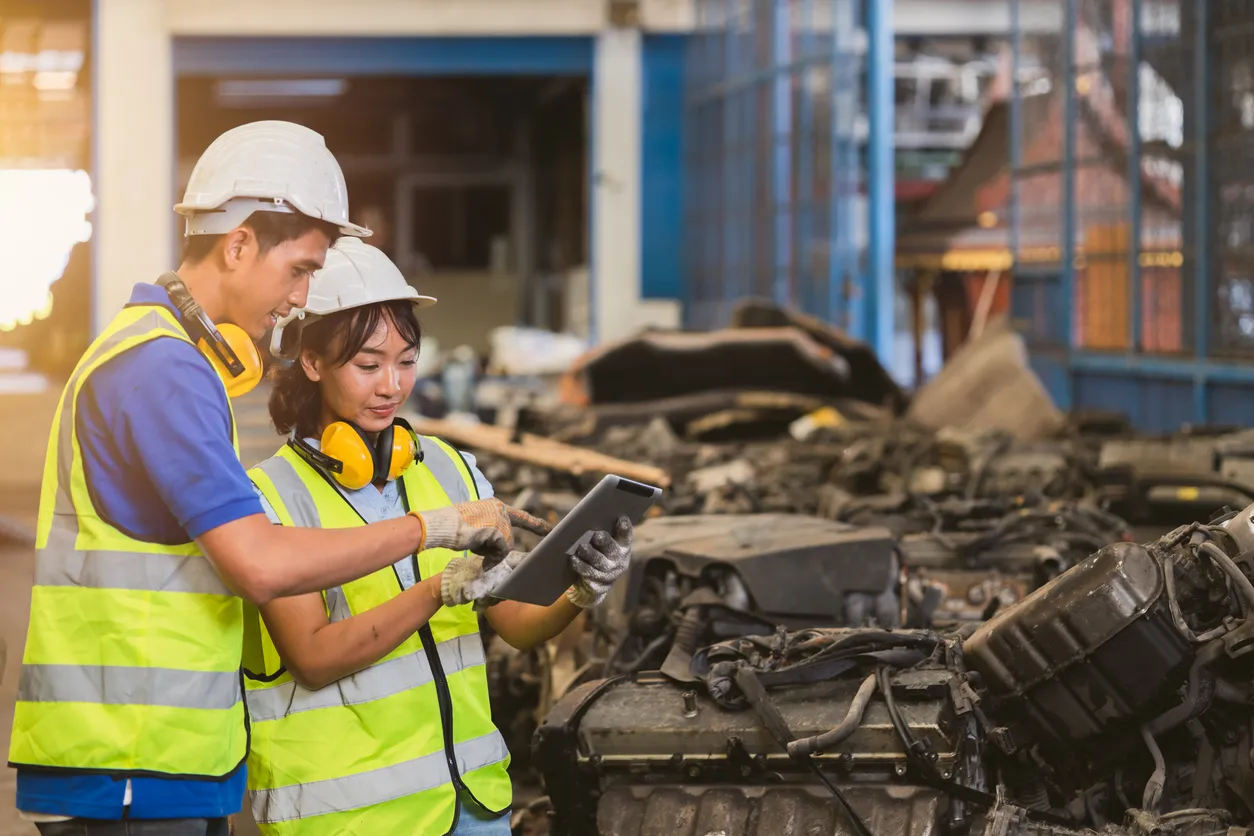
For businesses generating substantial scrap, the right buyer can do more than purchase unwanted metal. They can help improve material segregation, simplify logistics, reduce waste-management costs, and turn a recurring waste stream into a reliable source of revenue.

Looking for a dependable commercial scrap metal buyer? Contact Clifton Metals to discuss your materials, pickup requirements, and recycling program.

Hope the tips mentioned in this article help you to get the best out of your scrap.

Ready to turn your scrap into savings?
Reach out to Clifton Metals to schedule your site assessment and see how easy and profitable on-site scrap management can be.

Are you a manufacturer seeking sustainable metal solutions? Let Clifton Metals’ recycling services highly trained experts in scrap metal handling help power your production with quality recycled metals, keeping costs low and the environment clean. Contact us today to learn more.