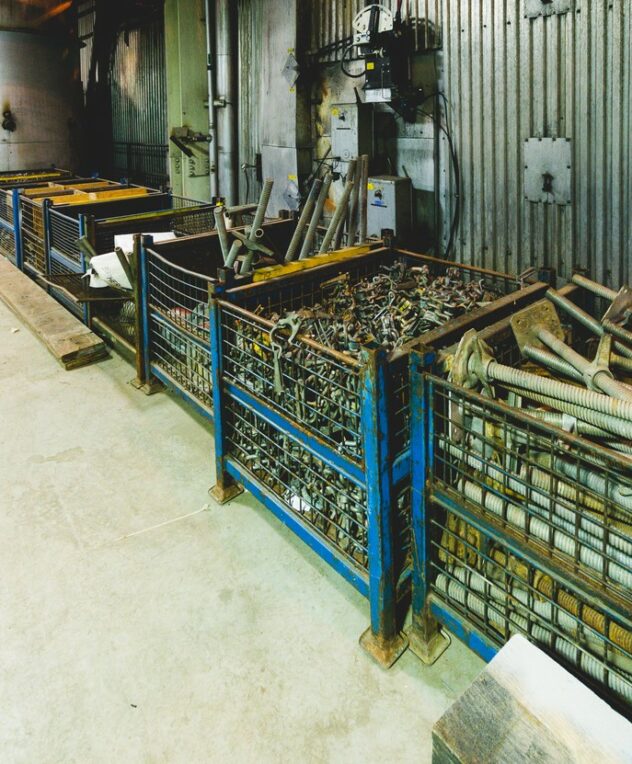
From Cans to Car Parts – Types of Aluminum Scrap | Clifton Metals Recycling
Got old soda cans or a wrecked car sitting around? You’re probably dealing with aluminum scrap. Recycling aluminum is a win-win because it brings in cash and uses far less energy than mining new metal.
In fact, MIT experts note that recycling aluminum takes only about 5% of the energy required to make new aluminum from ore.
We’ll break down the main forms of aluminum scrap – from beverage cans and household aluminum to auto parts and construction debris – and share tips from our experts at Clifton Metals on getting top dollar for each.
Clean, well-sorted aluminum scraps get the best prices, so we often remove debris and separate mixed materials before weighing.
Whether it’s a load of old lawn chairs or an auto salvage, we explain how to identify each aluminum type below. Prices mentioned are only indicative and does not reflect realtime cost. For updated pricing, please check our pricing page.
Why Recycle Aluminum?
Recycling aluminum is hugely energy-efficient. In addition to the 95% energy savings noted above, aluminum can be recycled indefinitely without quality loss. Nearly three-quarters of all aluminum ever made is still in use thanks to recycling.
Even small items add up: one recycled aluminum can saves enough energy to power a TV for three hours.
By turning scrap into cash, you’re also fighting waste and pollution. Every ton of recycled aluminum saves landfill space and cuts greenhouse emissions.
Common Types of Aluminum Scrap
- Beverage Cans & Foil: These are the most familiar aluminum scrap. Think soda cans, beer cans, and even clean food foil. If you collect cans to sell, rinse and crush them to save space. (Clifton Metals accepts clean cans by weight.) Cans alone make up over half of recycled aluminum, so they’re abundant. Keep in mind that loose cans often fetch a modest price per pound, since they require extra sorting. Still, every can counts – recycling one saves a surprising amount of energy.
- Sheet Metal & Extrusions: This category includes flat aluminum pieces and structured forms. Examples are aluminum window and door frames, trim, roofing sheets, ladders, aluminum siding or gutter sections, and thinner sheet metal from appliances. Unpainted, clean aluminum sheet (sometimes from lawn chairs or cabinets) is more valuable. Clifton Metals lists “Clean Extrusions” (like window frames) at ~$0.83/lb and pays less (~$0.40/lb) for dirty extrusions that still have paint or sealant.
Similarly, gutters and siding which are heavy-duty aluminum since they bring higher rates than scrap mixed with other materials.
- Cast Aluminum Parts: Cast aluminum scrap comes from items made by pouring molten metal into molds. Common sources are engine blocks, transmission housings, pump bodies, machinery parts, patio furniture bases, BBQ grill frames, and similar hardware. If the aluminum piece looks thick and solid (and isn’t sheet or extrusion), it’s often cast. (For example, a lawn mower deck or a pole base will be cast aluminum.) Clifton Metals’ pricing shows cast aluminum around $0.50/lb. Removing non-aluminum parts (like attachments or rubber) before selling will improve your payout.
- Construction Scrap – Gutters & Siding: Aluminum gutters, downspouts, window frames, door frames, and old roofing materials fall here. These are usually durable, thicker aluminum that resists weather. While many modern homes use vinyl now, contractors still generate aluminum gutter and trim scrap. Clifton Metals accepts siding and gutters at roughly $0.67/lb. As always, try to strip off wood, vinyl, or other attachments. Clean, straight aluminum pieces earn more.
- Auto Parts (Wheels, Radiators, Panels): Modern vehicles contain a lot of aluminum. Alloy wheel rims are a big one: many car and truck wheels are aluminum and can be valuable scrap. A note: remove the rubber tire and any lead weights before selling rims.
Clifton Metals pays about $0.82/lb for clean car rims and $0.65/lb for truck rims, nearly as much as clean aluminum itself. Aluminum radiators (from cars or HVAC units) are also accepted, though they may fetch around $0.35/lb since some models mix aluminum with brass. Aluminum body panels (doors, hoods, etc.) can be recycled too, but they often contain steel or plastic parts; separate what you can.
On the shop floor, we see lots of auto scrap. In addition to wheels and radiators, aluminum is used in engine parts, transmissions, and even decorative trim. Always strip out non-metal parts (plastic covers, hoses, insulation) for a better price. Our pricing list shows rims almost at full aluminum value, so it’s worth the effort.
- Wiring & Miscellaneous Items: Some older electrical wiring and cable are aluminum (modern wiring is usually copper). Aluminum wiring looks silver and isn’t magnetic. It’s often found in utility lines, spare wire from construction, or in appliances. Clifton pays around $0.40/lb for insulated aluminum wire
Other small aluminum scraps include foil insulation, potting pans, gutters from appliances, etc. Even these scraps add up. If aluminum is mixed (“dirty” scrap) with plastics or other metals, it’s best to separate it as clean aluminum is worth much more.
Tips to Get the Best Price for Your Aluminum Scrap
Experts at Clifton Metals recommend sorting and cleaning your scrap before bringing it in. Sorting properly can boost your payout by 15–30%.
For example:
- Sort by Type: Separate aluminum from steel, copper, and other metals. Even separate aluminum alloys (casting vs. sheet, etc.) if possible.
- Clean & Prep: Remove rubber, plastic, wood, and paint from aluminum pieces. Scrap yards pay more for clean metal. For instance, pull tires off rims and wash out greasy parts – the cleaner it is, the better the price.
- Separate Components: Break down large items. Take apart appliances, separate siding from framing, and cut cables. A magnet test helps – a magnet will not stick to aluminum (so any non-magnetic metal is likely aluminum).
- Bundle Like Items: Group similar scraps together. A pile of mixed metals is worth less than a pile of just aluminum.
By following these steps, you help Clifton Metals process your load faster and you earn more. We even test your materials to verify the metal type and purity when you arrive.
Aluminum scrap is all around us. Identifying the type of aluminum scrap you have, whether it’s a clean sheet, heavy cast parts, or wheels, helps you get a fair price. Recycling aluminum not only pads your wallet but also spares the planet a ton of energy and waste.
Ready to recycle? Contact Clifton Metals Recycling to schedule a drop-off or pickup. Our experts can answer your questions and make sure you get the best value for your aluminum scrap.
Frequently Asked Questions
Q: What counts as aluminum scrap?
A: Almost any used aluminum product can be scrap. Common examples include beverage cans, kitchen foil, lawn chairs, window frames, gutters, ladders, car wheels, engine parts, and wiring. If it’s light, silver-colored, and non-magnetic, it’s likely aluminum.
Q: How do scrap yards price aluminum?
A: Price depends on type and cleanliness. “Clean” aluminum (free of other materials) fetches top dollar. For example, Clifton Metals’ price list pays ~$0.83–0.82/lb for clean extrusions and car rims, but only ~$0.40/lb for painted or dirty aluminum. Mixing metals or attachments lowers the price.
Q: Can I sell aluminum cans at Clifton Metals?
A: Yes. Clifton Metals accepts scrap aluminum including cans. It’s best to empty, rinse, and crush cans before bringing them in. (Note: many communities also have recycling programs for cans, but local scrap yards will buy clean aluminum too.)
Q: How to identify aluminum vs. steel?
A: Use a magnet and look at weight. A magnet won’t stick to aluminum (it’s non-ferrous). Aluminum is much lighter than steel. It’s shiny silvery-white, whereas steel is gray and often rusted. When in doubt, our scrap yard team can help sort it.
Q: Why recycle aluminum?
A: Recycling aluminum saves energy and resources. It takes about 95% less energy to recycle aluminum than to make it new. Recycling also reduces mining and landfill use. The saved energy from recycling just one can could power a TV for three hours.
Q: What is “dirty aluminum” scrap?
A: Dirty aluminum means aluminum mixed with other materials (like plastic, rubber, or different metals). For example, blinds with plastic slats, painted siding, or radiators with copper. You’ll get a lower price for dirty aluminum. It pays to strip off non-aluminum parts so you have as much clean aluminum as possible.
Hope the tips mentioned in this article help you to get the best out of your scrap.
Ready to turn your scrap into savings?
Reach out to Clifton Metals to schedule your site assessment and see how easy and profitable on-site scrap management can be.
Are you a manufacturer seeking sustainable metal solutions? Let Clifton Metals’ recycling services highly trained experts in scrap metal handling help power your production with quality recycled metals, keeping costs low and the environment clean. Contact us today to learn more.