Ferrous vs Non-Ferrous Metals Guide - Clifton Metals

Scrap Yard 101: A Beginner’s Guide to Ferrous vs Non-Ferrous Metals

Knowing the difference between ferrous and non-ferrous metals is key when recycling scrap metal. Whether you’re cleaning out old stuff or starting a small side hustle, understanding these metals can help you get better prices at the scrap yard.

Non-ferrous metals usually sell for more than ferrous ones, so it’s worth knowing what you have. This guide will teach you simple ways to identify your scrap like a pro.

Ferrous vs Non-Ferrous Metals Guide - Clifton Metals
What Are Ferrous Metals?

Ferrous metals have iron in them. The word “ferrous” actually means iron. These metals are strong and used a lot in construction and manufacturing.

Common Ferrous Metals

Some ferrous metals you’ll see often:

    • Carbon steel (used in buildings and tools)
    • Cast iron (pipes, machinery, cookware)
    • Stainless steel (appliances and kitchen gear)
    • Wrought iron (decorations and fences)


What Ferrous Metals Are Like

Ferrous metals:

    • Stick to a magnet
    • Are strong and durable
    • Can rust if wet
    • Usually cost less because they’re common
    • Look grayish-silver


What Are Non-Ferrous Metals?

Non-ferrous metals don’t have much iron. They are special because they don’t rust and are often lighter or conduct electricity well.

Common Non-Ferrous Metals

Some popular non-ferrous metals:

    • Copper (reddish and a great electrical conductor)
    • Aluminum (light and silvery)
    • Brass (yellow, made from copper and zinc)
    • Stainless steel 316 (a high-quality version with nickel)
    • Lead (heavy, used in batteries)


What Non-Ferrous Metals Are Like

Non-ferrous metals:

    • Don’t stick to magnets
    • Resist rust
    • Are lighter and easy to shape
    • Conduct heat and electricity well
    • Usually cost more because they’re rarer


The Magnet Test: Your Go-To Tool

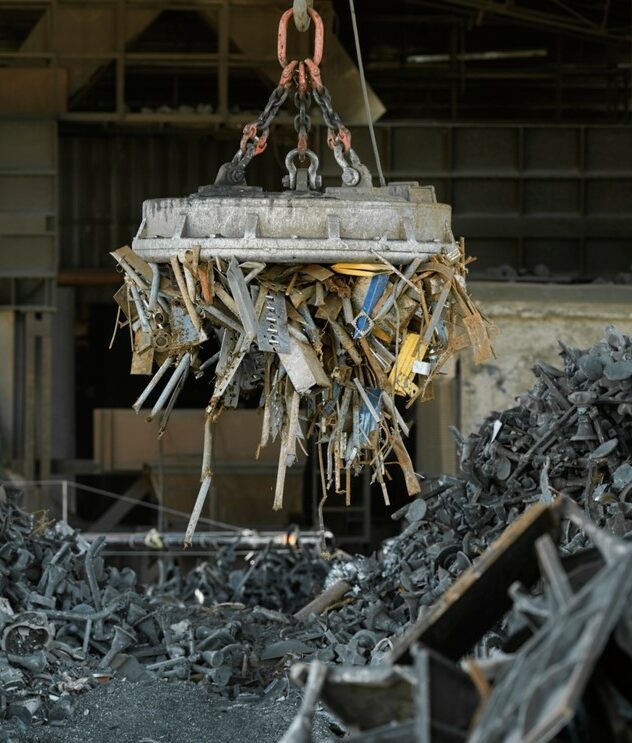
The easiest way to tell metals apart is by using a magnet. It only takes a few seconds.

How to do it:

  1. Grab a strong magnet
  2. Clean the metal’s surface
  3. Touch the magnet to the metal
  4. See if it sticks


If it sticks, it’s ferrous. If not, it’s non-ferrous and usually more valuable.

Things to Keep in Mind
    • Some stainless steel might be weakly magnetic or not at all
    • Painted or coated metals might need cleaning first
    • Test a few spots on small pieces
 
Ferrous vs Non-Ferrous Metals Guide - Clifton Metals
Identifying Metals by Look and Feel

Color

Check the metal’s color:

    • Copper is reddish-brown and can turn green over time
    • Brass is yellow-gold
    • Aluminum is shiny silver and light
    • Steel is gray or black, sometimes rusty

Weight and Texture

Feel the metal:

    • Brass and copper feel heavier than aluminum
    • Aluminum scratches easily
    • Steel is hard to scratch
    • Lead feels heavy but soft

Scrap Metal Pricing

What Affects Prices?

Prices change based on:

    • How clean the metal is
    • Whether it’s mixed with other stuff
    • Market demand
    • Amount you sell
    • Your location

How to Get More Money for Your Scrap

Sort and Prepare

Sorting your scrap carefully can earn you 15-30% more. Try these tips:

    • Sort ferrous metals by type
    • Remove wire insulation from copper
    • Separate aluminum alloys
    • Keep stainless steel separate from regular steel

Keep It Clean

Clean metals get better prices. Remove paint, plastic, and other junk before selling. Scrap yards like Clifton Metals pay more for well-prepared scrap.

Visiting the Scrap Yard

Bring your sorted scrap to Clifton Metals. We test your metals for free and give you fair prices.

FAQs

Q: Can I use any magnet?
A: A strong magnet works best. Fridge magnets may be too weak.

Q: Why is copper worth more than steel?
A: Copper is rarer and better for electrical uses, so it costs more.

Q: How to tell brass from copper?
A: Brass is yellow-gold and lighter; copper is reddish-brown.

Q: Are stainless steel appliances worth scrapping?
A: Yes, especially high-grade stainless steel.

Q: What scrap should I avoid?
A: Avoid paint cans, gas tanks, or anything with asbestos. They can’t be recycled safely.

Q: How much scrap do I need?
A: Even small amounts have value, but 50-100 pounds is better for prices and transport.

Hope the tips mentioned in this article help you to get the best out of your scrap.

Ready to turn your scrap into savings?
Reach out to Clifton Metals to schedule your site assessment and see how easy and profitable on-site scrap management can be.

Are you a manufacturer seeking sustainable metal solutions? Let Clifton Metals’ recycling services highly trained experts in scrap metal handling help power your production with quality recycled metals, keeping costs low and the environment clean. Contact us today to learn more.