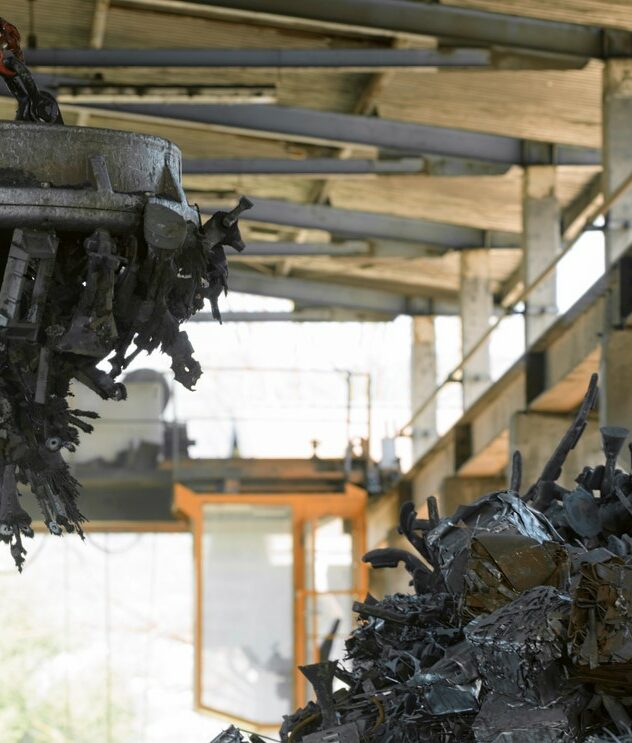
How to Improve Scrap Quality for Better Prices
If you’ve ever sold scrap metal, you already know that not all scrap is valued the same. Two loads with the same weight can earn very different payouts depending on quality. Improving scrap quality is one of the easiest ways to increase your profits without collecting more material. At Clifton Metals, we regularly see customers boost their earnings simply by preparing scrap correctly.
Why Scrap Quality Matters
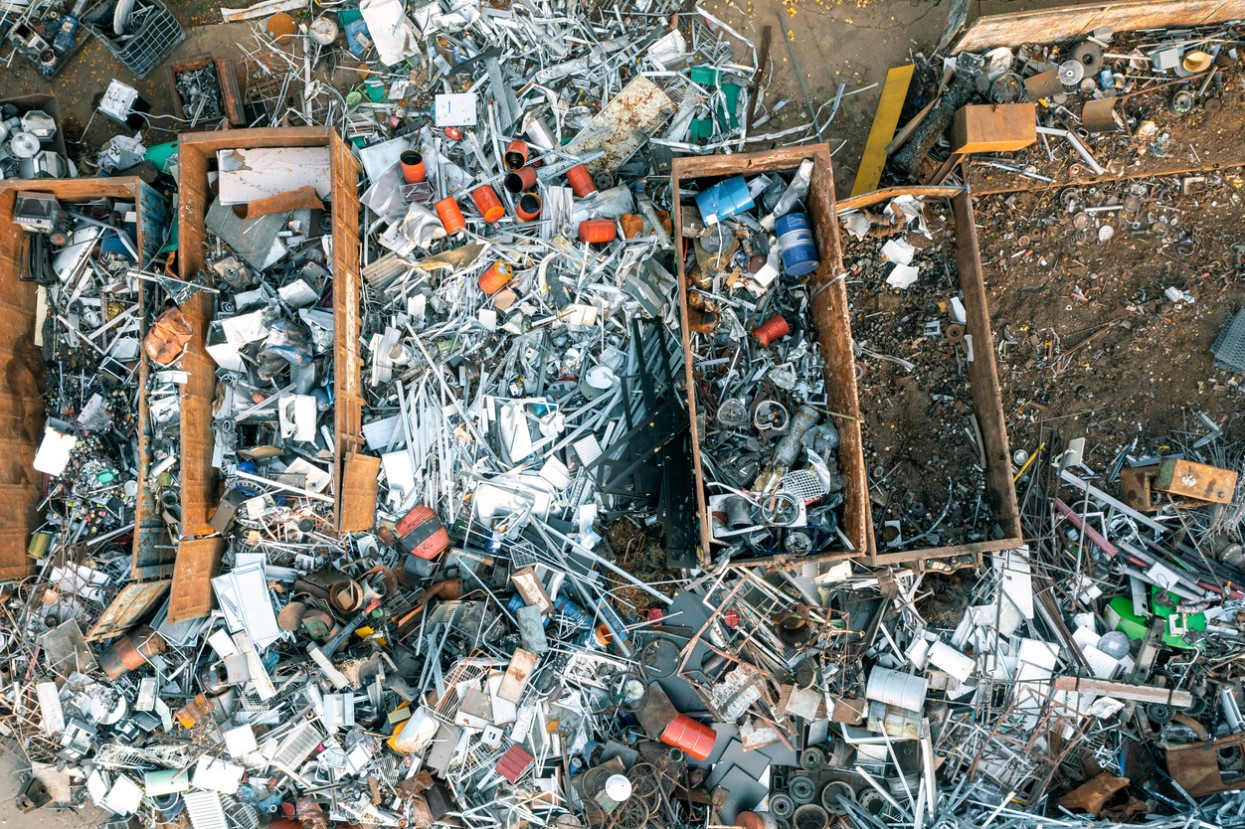
Scrap yards sell recycled metals directly to mills and manufacturers. These buyers require consistent, clean material that melts efficiently. When scrap contains dirt, plastic, rubber, or mixed metals, extra processing is needed. That lowers the price scrap yards can offer.
High-quality scrap:
- Melts faster and more efficiently
- Produces better finished metal products
- Reduces processing costs
- Commands higher market prices
This is why properly prepared scrap always pays more.
Sort Metals Before You Sell
Separate Ferrous and Non-Ferrous Metals
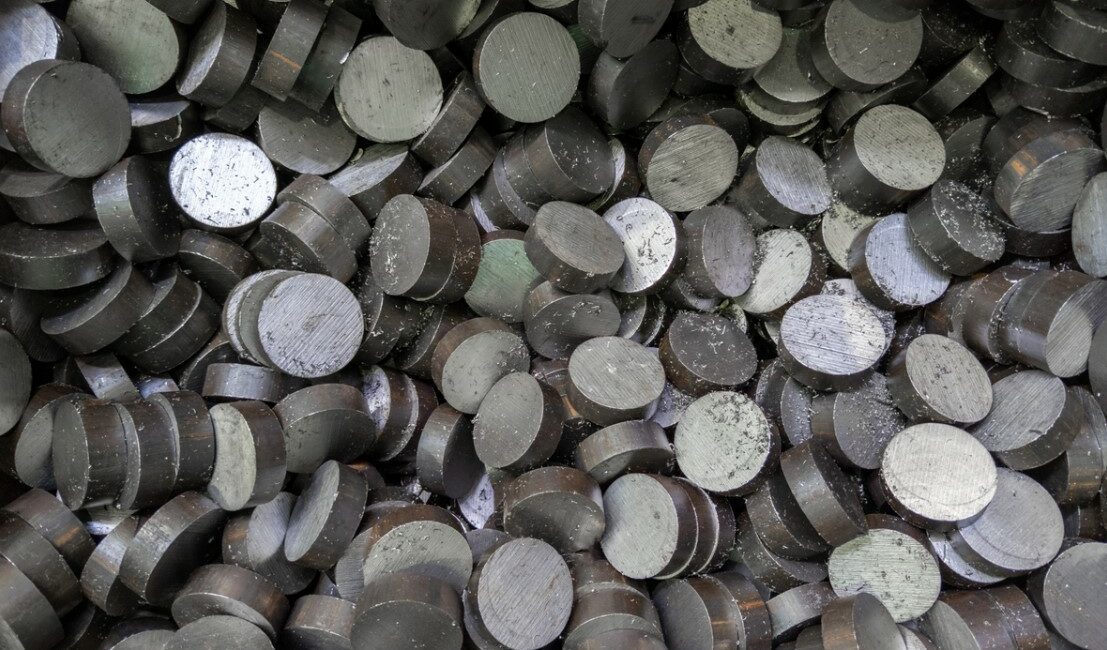
Ferrous metals like steel and iron are magnetic, while non-ferrous metals like aluminum, copper, and brass are not. Mixing these materials reduces value because they must be separated again at the yard.
Sorting scrap into categories before delivery helps you receive top rates.
Identify Metal Types
Different metals carry different values. Copper, aluminum, stainless steel, and brass all have separate pricing structures. Even within aluminum and steel categories, clean and dirty grades are priced differently.
If you’re unsure about metal types, Clifton Metals staff can help identify materials during drop-off.
Remove Non-Metal Contamination
Clean Attachments and Coatings
Scrap metal often comes with unwanted materials such as:
- Plastic coverings
- Rubber hoses
- Wood frames
- Insulation
- Paint or adhesives
Removing these before delivery increases scrap purity and price. For example, stripping copper wire insulation or removing tires from aluminum rims can significantly raise payout rates.
Drain Fluids and Oils
Machinery parts, engines, and industrial scrap often contain oil or coolant residue. Draining fluids prevents contamination and improves safety during handling and melting.
Cut and Prepare Large Scrap Pieces
Oversized metal pieces are harder to process. Cutting large beams, pipes, or equipment into manageable sections improves handling efficiency and often qualifies the material for better pricing categories.
Flattening sheet metal or bundling similar materials also speeds up weighing and grading at the scrap yard.
Store Scrap Properly
Keep Scrap Dry and Organized
Moisture adds unnecessary weight that does not increase metal value. Wet scrap may also lead to rust contamination and measurement issues.
Store materials in covered areas when possible and keep different metal types separated. Using labeled bins for aluminum, steel, copper, and stainless steel makes recycling easier and more profitable.
Prevent Mixing Materials
Once metals are mixed, separation becomes time-consuming and expensive. Keeping materials organized from the start protects scrap quality and pricing.
Work With a Professional Recycler
Partnering with a professional recycler like Clifton Metals gives you access to expert grading, fair pricing, and reliable pickup services. Our team follows industry classification standards to ensure your scrap is categorized correctly.
We also offer advice to commercial clients on setting up on-site scrap management systems that reduce contamination and maximize recycling returns.
Benefits of High-Quality Scrap for Businesses
For manufacturers, contractors, and industrial operations, improving scrap quality leads to:
- Higher monthly scrap revenue
- Reduced disposal costs
- Faster processing times
- Improved sustainability reporting
- Cleaner job sites and safer work environments
Professional scrap management becomes a long-term profit strategy instead of a waste problem.
Frequently Asked Questions
- Does clean scrap really pay more?
Yes. Clean, uncontaminated scrap melts more efficiently and reduces processing costs, which increases payout rates. - Should I separate metals before bringing them in?
Absolutely. Separating aluminum, copper, steel, and stainless steel ensures accurate grading and better pricing. - What contaminants lower scrap value?
Plastic, rubber, wood, insulation, oil residue, and mixed metals all reduce scrap quality and price. - Can I improve scrap quality without special tools?
Yes. Simple steps like sorting by type, removing attachments, and keeping scrap dry make a big difference.
5. Does Clifton Metals help businesses improve scrap management?
Yes. We offer customized scrap management solutions for commercial and industrial clients.
Improving scrap quality is one of the simplest ways to earn more from recycling. By sorting metals, removing contaminants, storing materials properly, and working with experienced recyclers like Clifton Metals, you can significantly increase scrap value.
Hope the tips mentioned in this article help you to get the best out of your scrap.
Ready to turn your scrap into savings?
Reach out to Clifton Metals to schedule your site assessment and see how easy and profitable on-site scrap management can be.
Are you a manufacturer seeking sustainable metal solutions? Let Clifton Metals’ recycling services highly trained experts in scrap metal handling help power your production with quality recycled metals, keeping costs low and the environment clean. Contact us today to learn more.