How Carbon Steel Scrap Is Used in Steel Manufacturing
Carbon steel scrap plays a major role in modern steel production. If you’ve ever recycled old machinery, construction beams, or factory offcuts, you’ve contributed directly to the steel supply chain. Today, most steel mills depend heavily on recycled scrap to reduce costs and environmental impact. At Clifton Metals, we help businesses and contractors move carbon steel scrap efficiently into the manufacturing cycle.
What Is Carbon Steel Scrap?
Carbon steel is an iron alloy that contains carbon as its primary strengthening element. It is widely used because it is strong, affordable, and easy to shape. When carbon steel products reach the end of their life or are left over from manufacturing, they become carbon steel scrap.
Common Sources of Carbon Steel Scrap
- Construction beams, rebar, and structural frames
- Manufacturing cuttings and fabrication leftovers
- Old vehicles and machinery parts
- Industrial piping and storage tanks
- Appliances and heavy equipment
These materials are collected by recyclers like Clifton Metals and sent to steel mills for reuse.
How Carbon Steel Scrap Enters the Manufacturing Process
Collection and Sorting
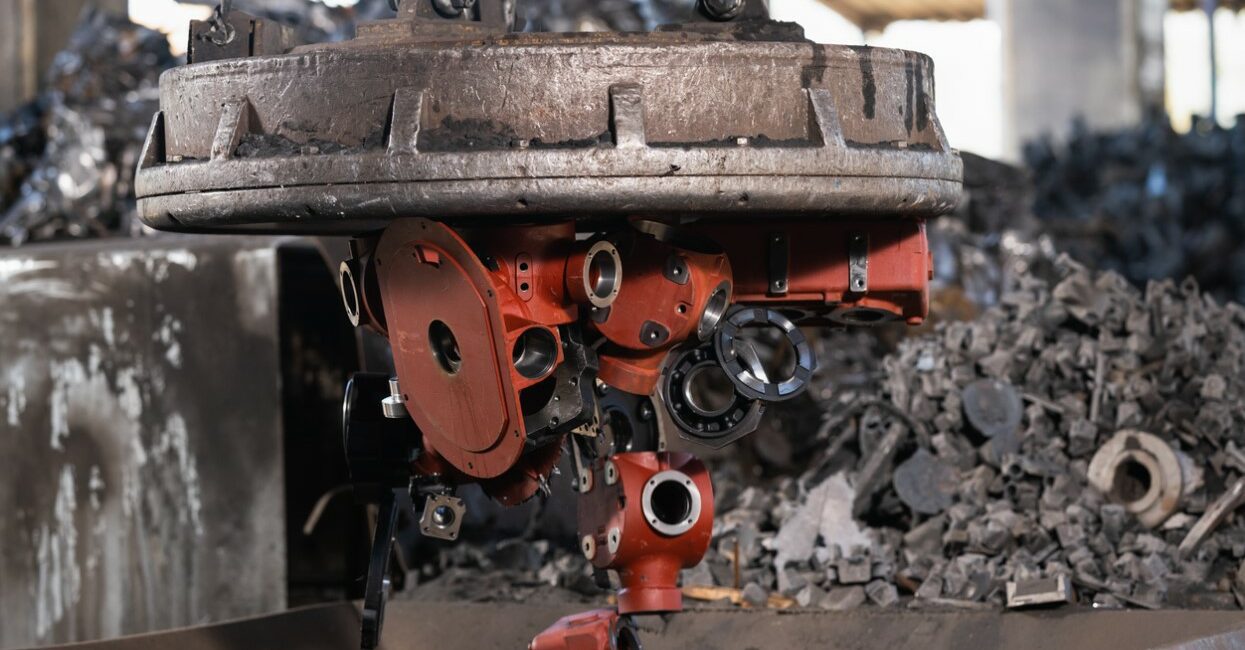
The first step is proper sorting. Scrap yards separate carbon steel from stainless steel, aluminum, and other metals. Magnets are used to identify ferrous metals, and materials are graded based on thickness, cleanliness, and composition. Clean scrap with minimal coatings or attachments is preferred by steel producers.
Processing and Shredding
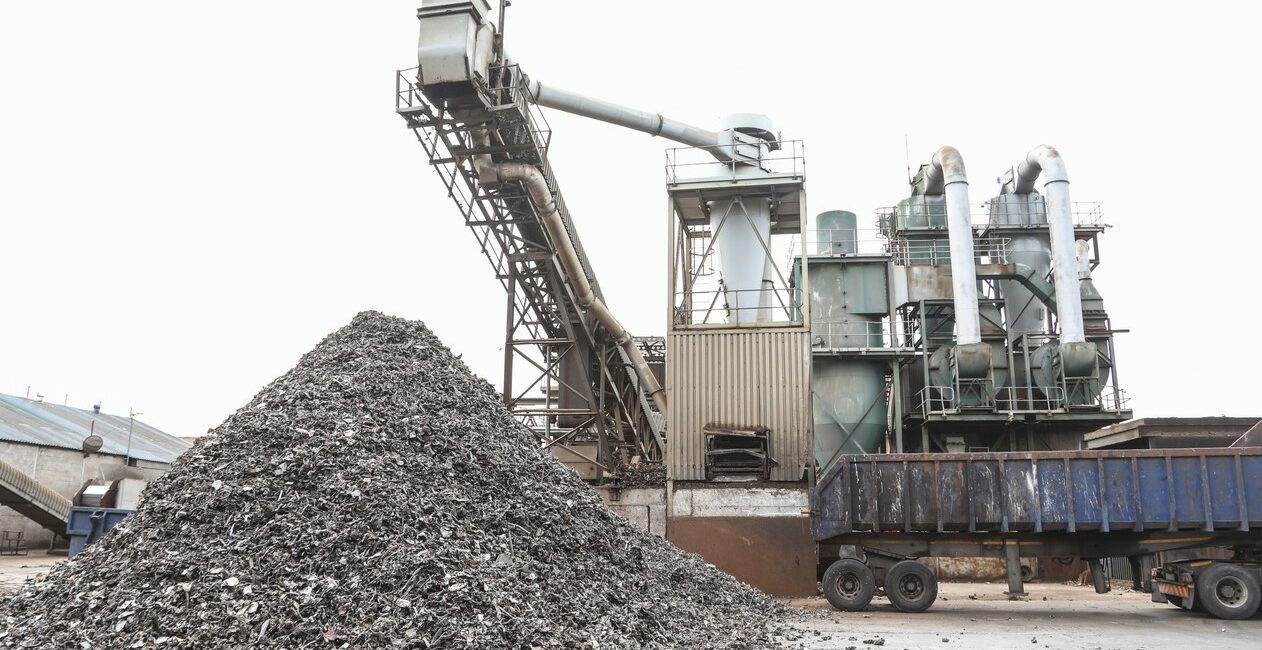
Once sorted, large pieces of scrap are cut, crushed, or shredded into manageable sizes. This improves melting efficiency and ensures uniform material flow inside steel furnaces. Processing also removes contaminants such as rubber, plastic, or insulation.
Melting in Electric Arc Furnaces
Most recycled carbon steel is melted in electric arc furnaces (EAFs). These furnaces use high-powered electricity to melt scrap metal at extremely high temperatures. EAF technology allows mills to control chemical composition and produce consistent steel quality.
This method is widely used across North America because it is faster, more flexible, and significantly cleaner than traditional blast furnace production.
Refining and Casting
After melting, the molten steel is refined to adjust carbon levels and remove impurities. The liquid steel is then cast into slabs, billets, or blooms. These shapes become raw material for making products such as:
- Structural steel beams
- Automotive frames
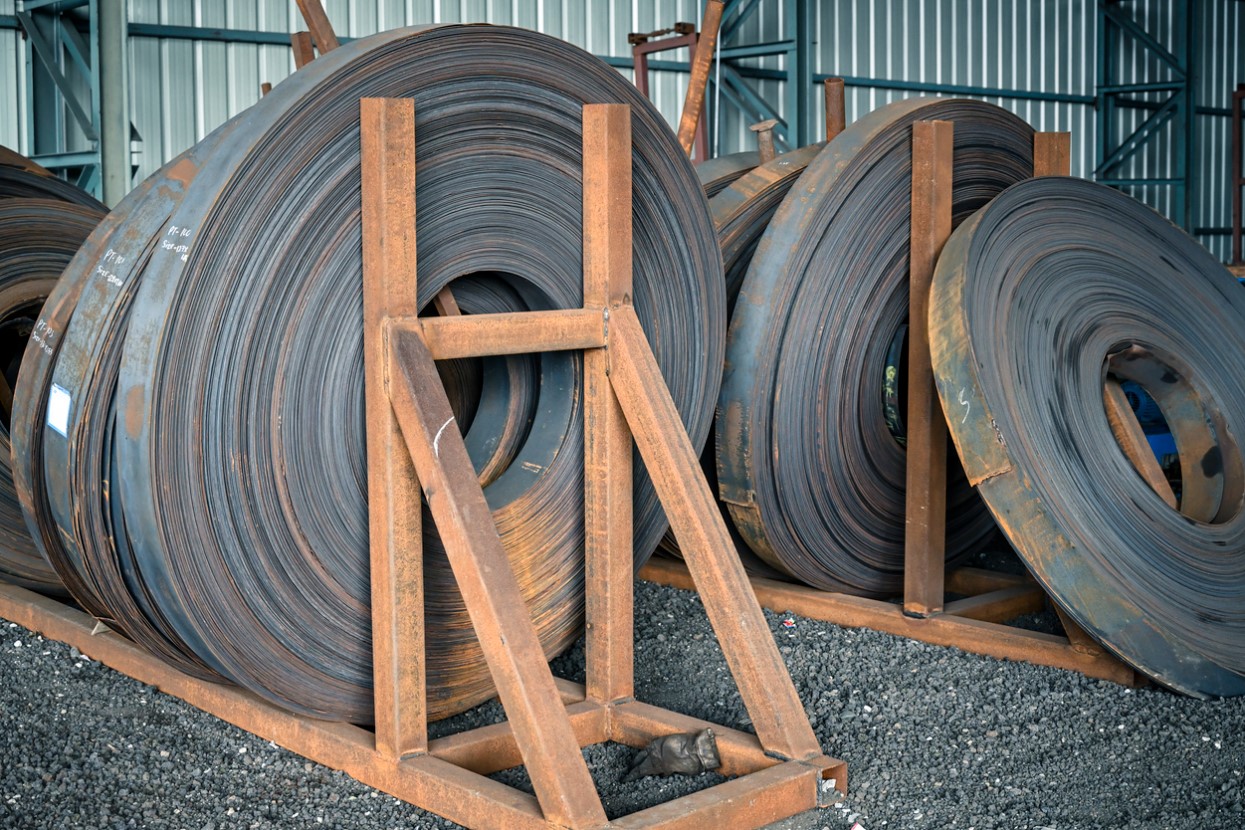
- Steel sheets and plates
- Pipes and tubing
- Industrial equipment components
Why Steel Manufacturers Rely on Carbon Steel Scrap
Cost Efficiency
Using scrap steel reduces reliance on iron ore mining and coke production. Recycled steel lowers raw material costs and stabilizes supply chains. For manufacturers, scrap-based production helps manage price volatility.
Energy Savings
Producing steel from recycled scrap uses significantly less energy than producing steel from raw ore. According to industry data, electric arc furnace steel production can reduce energy use by more than 50 percent compared to traditional methods.
Environmental Benefits
Carbon steel scrap recycling helps reduce greenhouse gas emissions, mining waste, and landfill use. Steel is one of the most recycled materials in the world because it can be reused repeatedly without losing strength or quality.
Role of Scrap Yards Like Clifton Metals
Scrap processors serve as the link between waste generators and steel manufacturers. At Clifton Metals, we:
- Sort and grade carbon steel scrap accurately
- Prepare material to meet mill specifications
- Offer competitive market pricing
- Provide pickup and container services for businesses
By delivering clean, properly processed scrap, we help steel mills maintain production efficiency and consistent product quality.
How Businesses Can Benefit From Recycling Carbon Steel Scrap
Local businesses generate valuable scrap every day without realizing its potential. Contractors, machine shops, warehouses, and manufacturers can benefit by:
- Turning waste into steady revenue
- Reducing disposal and hauling costs
- Improving sustainability reporting
- Keeping job sites organized and safer
With professional scrap management services from Clifton Metals, companies can integrate recycling directly into daily operations.
Frequently Asked Questions
What is carbon steel scrap used for?
It is melted and reused to manufacture structural steel, automotive parts, pipes, and sheet metal products.- Is recycled carbon steel as strong as new steel?
Yes. Steel can be recycled repeatedly without losing strength or performance. - How is carbon steel scrap different from stainless steel scrap?
Carbon steel contains iron and carbon, while stainless steel includes chromium and nickel, making it corrosion-resistant and more valuable. - Do steel mills prefer clean scrap?
Yes. Clean scrap with minimal coatings and attachments melts more efficiently and improves steel quality. - Does Clifton Metals accept industrial carbon steel scrap?
Yes. We accept carbon steel from construction, manufacturing, demolition, and commercial sources in all volumes.
Carbon steel scrap is not waste. It is a critical raw material that fuels modern steel manufacturing. From collection and sorting to melting and casting, recycled steel plays a central role in building infrastructure, vehicles, and industrial equipment.
At Clifton Metals, we make sure your carbon steel scrap moves efficiently into the production cycle while delivering fair value and environmental benefits.
Hope the tips mentioned in this article help you to get the best out of your scrap.
Ready to turn your scrap into savings?
Reach out to Clifton Metals to schedule your site assessment and see how easy and profitable on-site scrap management can be.
Are you a manufacturer seeking sustainable metal solutions? Let Clifton Metals’ recycling services highly trained experts in scrap metal handling help power your production with quality recycled metals, keeping costs low and the environment clean. Contact us today to learn more.