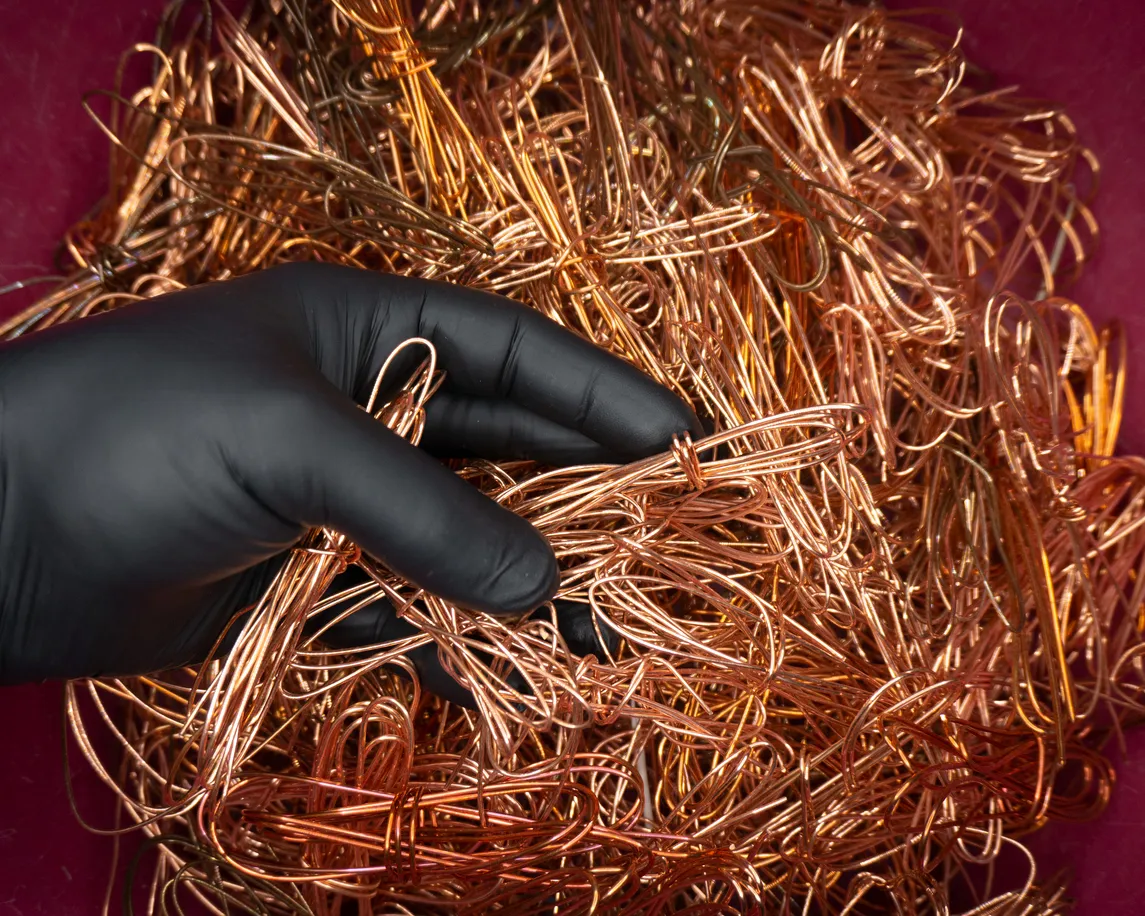
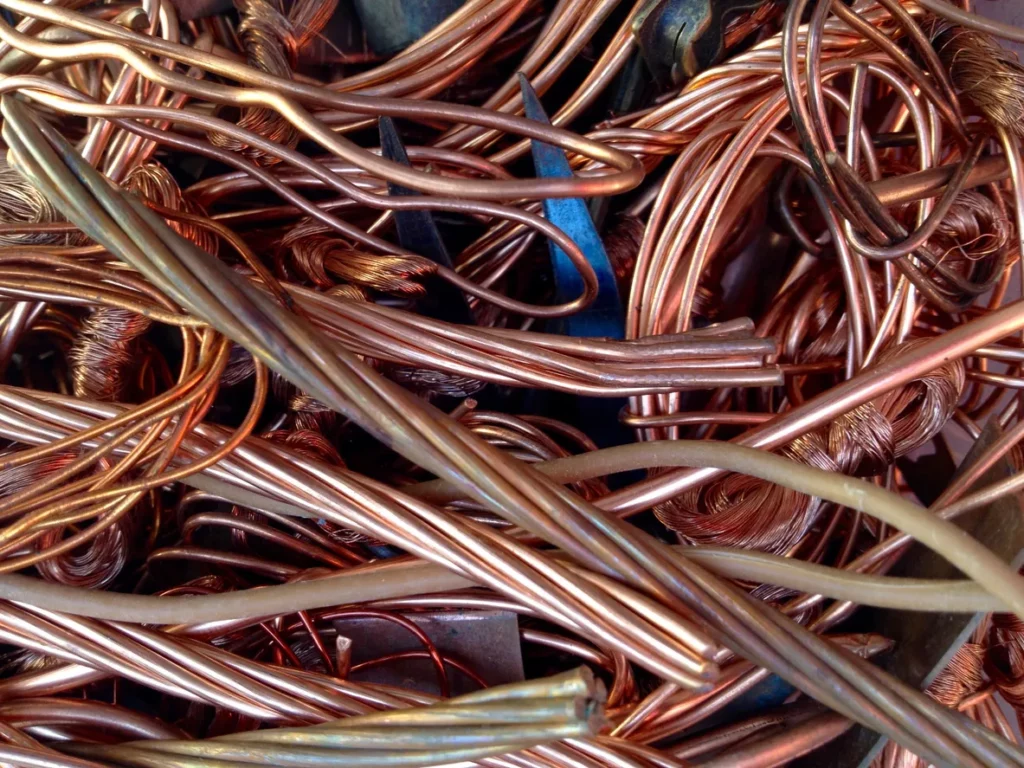
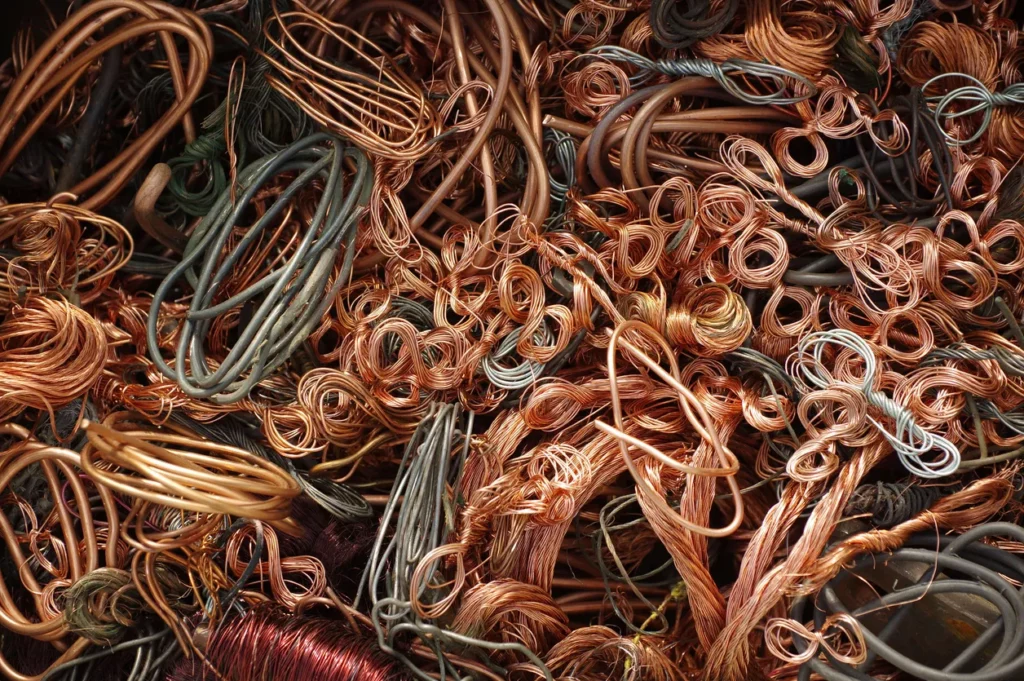
What Is the Difference Between #1 and #2 Copper Scrap?
If your business generates copper scrap, knowing the difference between #1 and #2 copper can directly affect how much you receive when selling it. Both grades have strong recycling value, but they differ in cleanliness, composition, condition, and the amount of processing required. For electricians, manufacturers, contractors, demolition companies, and industrial facilities, identifying these grades correctly can help prevent valuable copper from being mixed together or unintentionally downgraded.
Here’s what separates #1 copper from #2 copper, how recyclers typically identify each grade, and what you can do to protect the value of your copper scrap.
What Is #1 Copper Scrap?
#1 copper is a high-quality copper scrap grade consisting primarily of clean, unalloyed copper that meets established industry specifications. It commonly includes:
- Clean copper tubing
- Copper bus bars
- Clean copper wire
- Copper clippings
- Copper solids
The material should generally be free of excessive contamination, coatings, solder, and other metals. #1 copper typically commands a strong price because it contains a high percentage of recoverable copper and requires relatively little additional processing.
Common Sources of #1 Copper
Businesses may generate #1 copper through:
- Plumbing replacement
- Electrical work
- Manufacturing
- Equipment dismantling
- Industrial maintenance
- Building renovation
For example, clean copper tubing removed from a commercial plumbing system may qualify as #1 copper if it meets the applicable specifications and is free from prohibited attachments or contamination.
What Is #2 Copper Scrap?
#2 copper is still highly recyclable but contains more contamination or material characteristics that prevent it from qualifying for a higher grade. It can include copper that is:
- Soldered
- Painted or coated
- Oxidized
- Attached to other materials
- Mixed with certain non-copper components
Examples can include copper tubing with soldered joints or copper wire that does not meet the requirements for higher-grade classifications. Because #2 copper generally requires more processing, its market value is lower than #1 copper.
#1 vs #2 Copper: The Main Differences
Factor | #1 Copper | #2 Copper |
Purity | High | Lower |
Condition | Clean, relatively uncontaminated | May contain coatings, solder, oxidation, or attachments |
Processing | Relatively minimal | Generally requires more processing |
Typical value | Higher | Lower |
Common examples | Clean tubing, bus bars, copper solids | Soldered tubing, coated copper, contaminated copper |
The exact classification depends on the applicable specification and the buyer’s agreed purchasing terms.
How Does Bare Bright Copper Fit In?
Bare bright copper is generally considered a premium copper category above ordinary #1 copper. It typically consists of clean, uncoated, unalloyed copper wire that meets the applicable size and quality requirements.
This distinction matters because sellers sometimes assume that any stripped copper wire is automatically #1 copper or bare bright when it isn’t. The material still needs to meet the relevant grade specifications.
What Causes Copper to Be Downgraded?
Several factors can prevent copper from qualifying for a higher grade.
Solder
Copper tubing with significant soldered connections may fall into a lower classification.
Coatings
Paint, enamel, or other coatings can affect grading.
Oxidation
Heavily oxidized copper may not qualify for a premium grade.
Mixed Materials
Copper attached to brass, steel, plastic, or other materials may require additional separation.
Excessive Contamination
Dirt, oil, insulation, and other foreign material can reduce the quality of the load.
The important point is that “copper” is not automatically one grade. Its physical condition and composition matter.
What Do Industry Specifications Say?
The Recycled Materials Association (ReMA) maintains widely used scrap specifications that provide a common language for buyers and sellers of recyclable commodities. Its specifications address characteristics such as:
- Material composition
- Physical description
- Size
- Foreign material
- Cleanliness
- Packaging
ReMA also makes clear that these specifications are industry guidelines that buyers and sellers can mutually agree to use or modify for particular transactions. ReMA’s scrap specifications guidance
That means the precise purchasing criteria can vary between buyers, so sellers should always confirm the grading requirements before delivering a commercial load.
How to Get a Better Return on Copper Scrap
Proper preparation can help preserve the value of your material.
Separate Copper by Grade
Keep higher-grade copper away from #2 material and insulated wire.
Remove Non-Copper Attachments
Where practical, separate obvious steel, plastic, brass, and other attachments.
Keep Copper Clean
Avoid mixing copper with:
- Oil
- Dirt
- General scrap
- Plastic
- Other metals
Store It Properly
Keep copper in dedicated containers and protect it from unnecessary exposure to contamination and moisture.
Know What You’re Selling
If you’re uncertain whether a load is #1 or #2 copper, ask the buyer to explain the classification before delivery rather than discovering the difference on the payment ticket.
Does #1 Copper Always Cost More?
Generally, #1 copper has a higher market value than #2 copper because it contains cleaner, more readily recoverable material. However, the actual price difference changes with:
- Copper market conditions
- Regional demand
- Material volume
- Processing costs
- Buyer specifications
There is therefore no permanent dollar-per-pound difference between the two grades. A responsible buyer should be able to explain the current price and the grading basis used for the transaction.
Why Proper Copper Sorting Matters for Businesses
For businesses generating substantial copper scrap, sorting at the point where material is created can have a significant effect on overall recycling revenue. Separate containers for:
- Bare bright copper
- #1 copper
- #2 copper
- Insulated wire
- Brass
make grading easier and reduce the likelihood of valuable material being mixed with lower-grade scrap. This approach also gives businesses better visibility into how much scrap each production process generates.
The difference between #1 and #2 copper scrap comes down primarily to quality, cleanliness, composition, and processing requirements.
#1 copper is cleaner and generally commands a higher price, while #2 copper contains characteristics or contaminants that place it in a lower-value classification. Neither is “bad” scrap. Both are valuable recyclable materials, but proper identification ensures each receives the appropriate grade.
Frequently Asked Questions
Q) Is #1 copper worth more than #2 copper?
A) Generally, yes. #1 copper is cleaner and requires less processing, so it typically commands a higher price.
Q) What is an example of #1 copper?
A) Clean copper tubing, bus bars, and qualifying copper solids or wire are common examples, provided they meet the applicable specifications.
Q) What is an example of #2 copper?
A) Copper with solder, coatings, oxidation, or certain attachments may qualify as #2 copper depending on the applicable specification.
Q) Is bare bright copper the same as #1 copper?
A) No. Bare bright copper is a distinct premium category generally reserved for clean, uncoated copper wire meeting the relevant requirements.
Q) Can #2 copper be upgraded to #1?
A) Sometimes. Removing contaminants or attachments may improve the material’s classification, but whether this is economically worthwhile depends on the material and the labor or processing involved.
Q) How should businesses separate #1 and #2 copper?
A) Use separate, clearly labeled containers and sort copper at the point where it is generated. Keeping grades separate reduces contamination and makes final grading easier.
For businesses generating copper regularly, separating grades at the source and keeping material clean are two of the simplest ways to protect its value.
Need help determining the best way to handle your copper scrap? Contact Clifton Metals to discuss your material, recycling requirements, and commercial pickup options.
Hope the tips mentioned in this article help you to get the best out of your scrap.
Ready to turn your scrap into savings?
Reach out to Clifton Metals to schedule your site assessment and see how easy and profitable on-site scrap management can be.
Are you a manufacturer seeking sustainable metal solutions? Let Clifton Metals’ recycling services highly trained experts in scrap metal handling help power your production with quality recycled metals, keeping costs low and the environment clean. Contact us today to learn more.