How Is Scrap Metal Graded Before It Is Sold to a Recycling Yard?
Before scrap metal reaches a recycling yard, it is typically sorted and graded to determine its type, quality, and market value. Whether you are selling copper wire, aluminum sheets, stainless steel, or industrial metal offcuts, proper grading can significantly influence the price you receive.
For businesses, understanding scrap metal grading helps prevent misclassification, reduces rejected loads, and makes the selling process more transparent. Since not all metal scrap has the same composition or recycling value, grading is an essential part of responsible scrap management.
What Is Scrap Metal Grading?
Scrap metal grading is the process of classifying discarded metal according to its composition, purity, physical condition, and potential for recycling. Recycling yards use grading standards to determine how a particular material should be processed and priced.
The grading process may involve visual inspection, sorting, weighing, and, in some cases, specialized testing equipment. Industry specifications help buyers and sellers establish a consistent understanding of the material being traded.
The grade assigned to scrap metal can influence:
- The price paid per pound or ton.
- Whether the material can be processed efficiently.
- The amount of preparation required.
- Whether contaminants or other materials must be removed.
Key Factors Used to Grade Scrap Metal
1. Type and Composition of the Metal
The first step is identifying what kind of metal is being sold. Common categories include copper, aluminum, brass, stainless steel, steel, and lead.
Different metals have different physical properties, market demand, and processing requirements. For example, copper generally has a higher market value than common steel, while aluminum grades can vary depending on alloy composition and contamination.
Some materials may look similar but have different compositions. Stainless steel, for instance, comes in several grades, and their nickel or chromium content can affect their value.
2. Purity and Metal Content
Purity is one of the most important factors in scrap metal grading. A material containing a high percentage of the target metal is usually more valuable than scrap mixed with other metals or nonmetallic components.
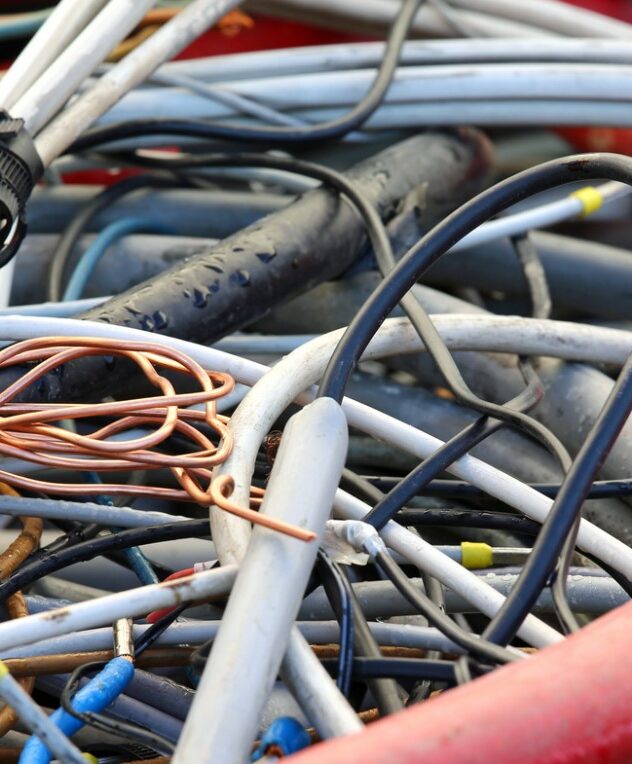
Copper wire provides a useful example. Clean, uncoated copper with minimal contamination may qualify for a higher grade than copper wire covered in insulation or mixed with other materials.
Recycling yards assess whether the material is:
- Clean and separated.
- Mixed with other metals.
- Coated, painted, or plated.
- Attached to plastic, rubber, or other nonmetallic materials.
Removing unnecessary attachments before delivery can make the material easier to classify and may improve its sale value.
3. Cleanliness and Contamination
Contamination can reduce the value of scrap metal because it increases handling, sorting, and processing costs. Common contaminants include dirt, oil, plastic, rubber, wood, glass, and other waste materials.
For industrial suppliers, contamination can occur during manufacturing, demolition, equipment removal, or storage. Scrap that is stored outdoors may also accumulate soil, moisture, and debris. Recycling yards may assign different grades depending on the level and type of contamination. In some cases, heavily contaminated material may require additional processing or may be classified as a lower-value category.
4. Physical Form and Condition
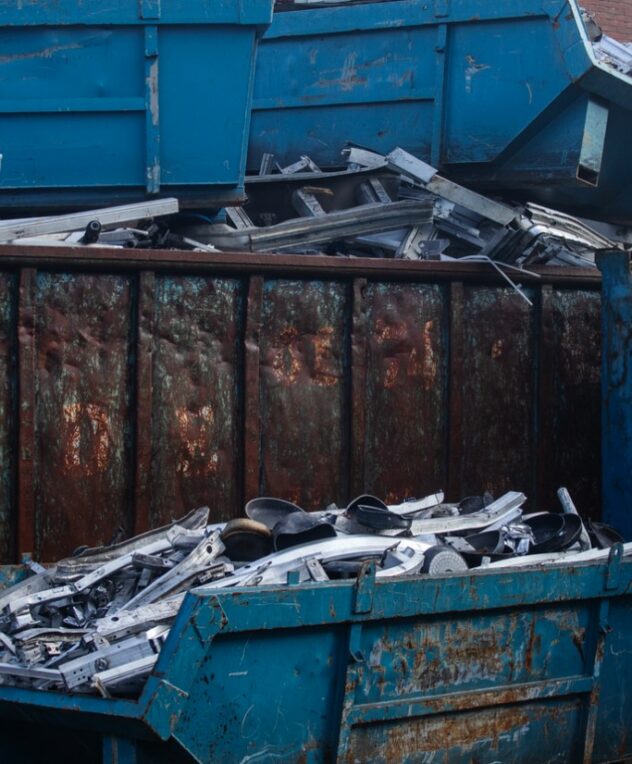
The physical form of scrap also affects its grade. Metal may arrive as sheets, pipes, wires, tubing, turnings, castings, structural components, or compacted bundles. The same base metal can have different values depending on its form and preparation. For example, clean aluminum sheet may be graded differently from aluminum mixed with insulation, attachments, or other alloys.
Scrap metal buyers may also examine whether the material is loose, bundled, shredded, or prepared for specific processing equipment. These characteristics affect transportation, handling, and recovery efficiency.
5. Alloy and Specification
Some scrap metals must be graded according to their alloy or technical specification rather than their appearance alone. This is particularly important for industrial materials, aerospace components, stainless steel, and specialized manufacturing scrap.
Two pieces of metal may look almost identical while containing different proportions of alloying elements. Buyers may use documentation, supplier information, or material testing to confirm the grade. For manufacturers, maintaining records of the metal used in production can help simplify the grading process and support more accurate classification.

Common Scrap Metal Grades
Although grading systems vary depending on the metal and industry specification, several broad categories are commonly used.
Ferrous metals: These contain iron and include steel and cast iron. Scrap may be classified based on its form, thickness, size, and level of contamination.
Nonferrous metals: These do not contain significant amounts of iron and include copper, aluminum, brass, and bronze. They are often separated carefully because of their differing market values.
Insulated wire: Copper or aluminum wire covered in insulation is commonly graded based on the underlying metal content, insulation type, and recovery percentage.
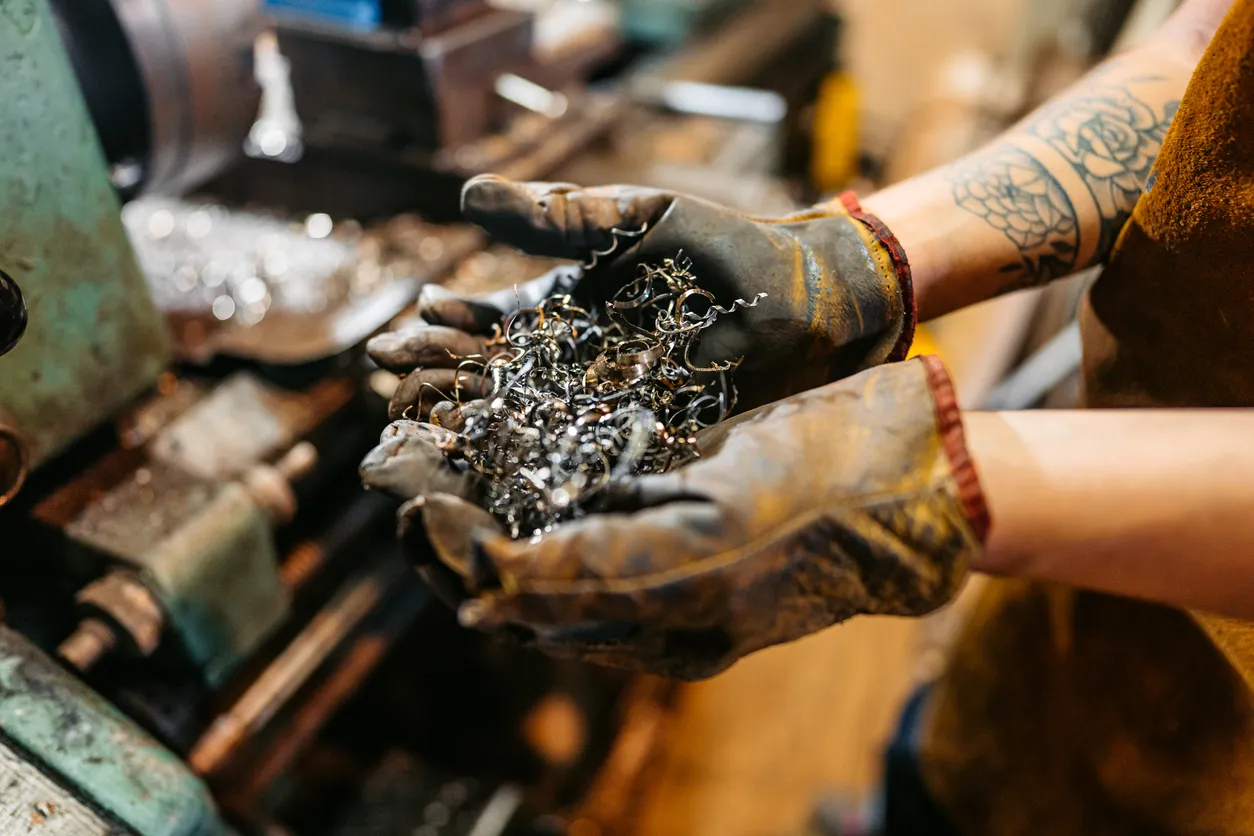
Turnings and borings: Metal shavings generated during machining may require grading based on alloy, moisture, oil content, and the presence of other materials.
Mixed metal scrap: Materials containing multiple metals or attachments may receive a lower grade unless they can be efficiently separated.
Industry specifications, including those developed by recycling organizations, help establish consistent expectations for the classification and sale of scrap materials.
How Recycling Yards Verify Scrap Metal Grades
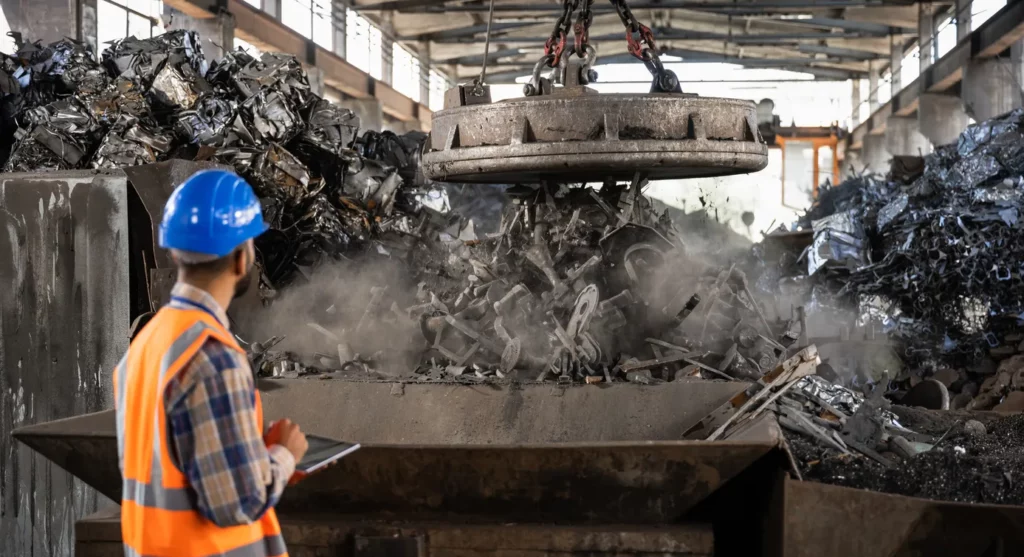
After the initial inspection, a recycling yard may use several methods to confirm the material’s grade. Visual inspection helps identify the metal type, condition, and visible contamination. Magnets can be used to distinguish ferrous metals from many nonferrous materials, although this method does not identify every alloy.
For more complex materials, buyers may use metal analyzers or other testing equipment to determine chemical composition. Weighing is also essential because the final transaction is generally based on the verified weight and applicable price for the material’s grade.
The exact process depends on the material, the buyer’s equipment, and the requirements of the transaction.
How Businesses Can Prepare Scrap for Accurate Grading
Businesses can make grading easier by taking a few practical steps before arranging a sale:
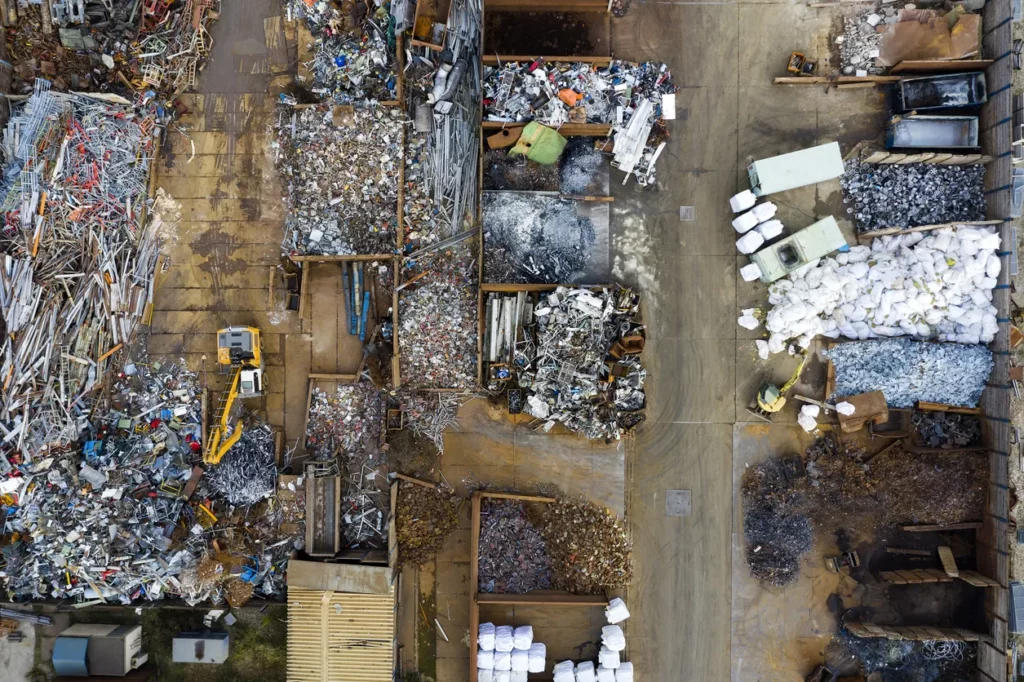
- Separate ferrous and nonferrous metals.
- Keep different alloys and material types apart.
- Remove unnecessary plastic, rubber, and other attachments where practical.
- Drain fluids from applicable equipment and scrap components.
- Store materials in a dry, organized area.
- Keep purchase records or alloy documentation for specialized metals.
- Discuss unusual or mixed materials with the scrap buyer before delivery.
Proper preparation does not guarantee a particular price, but it can reduce confusion and help the buyer evaluate the load more efficiently.
Work With an Experienced Scrap Metal Buyer
Accurate grading is important because even small differences in metal composition, cleanliness, and preparation can affect the final value of a shipment. An experienced scrap metal buyer can help businesses understand applicable grades, identify preparation requirements, and organize recurring recycling collections.
At Clifton Metals, businesses can discuss their industrial scrap requirements and determine how different materials should be prepared before sale. Clear communication and consistent sorting can help create a more efficient recycling process.
Frequently Asked Questions
Q) Why is scrap metal grading important?
A) Grading helps recycling yards classify materials consistently and determine an appropriate price based on metal type, purity, condition, and processing requirements.
Q) Does clean scrap metal receive a higher price?
A) Clean scrap often qualifies for a higher grade because it requires less sorting and processing. The actual value depends on the metal, market conditions, and buyer specifications.
Q) How is copper scrap graded?
A) Copper scrap may be graded based on purity, cleanliness, physical form, coatings, insulation, and the presence of other metals. Clean, unalloyed copper generally differs from insulated or mixed copper materials.
Q) Can a recycling yard test metal composition?
A) Yes. Depending on the material, recycling yards may use visual inspection, magnets, documentation, or specialized metal analysis equipment to verify composition.
Scrap metal grading is based on more than the appearance of a material. Metal type, purity, contamination, physical form, alloy composition, and preparation all contribute to how a recycling yard classifies and values scrap.
For manufacturers, contractors, and commercial operations, separating materials and maintaining basic documentation can support more accurate grading and reduce avoidable processing issues. Working with a reliable recycling partner also helps businesses manage scrap more consistently while recovering value from materials that would otherwise be discarded.
Hope the tips mentioned in this article help you to get the best out of your scrap.
Ready to turn your scrap into savings?
Reach out to Clifton Metals to schedule your site assessment and see how easy and profitable on-site scrap management can be.
Are you a manufacturer seeking sustainable metal solutions? Let Clifton Metals’ recycling services highly trained experts in scrap metal handling help power your production with quality recycled metals, keeping costs low and the environment clean. Contact us today to learn more.