What Is Bare Bright Copper and Why Is It the Most Valuable Copper Scrap - Clifton Metals

What Is Bare Bright Copper and Why Is It the Most Valuable Copper Scrap?

Among all recyclable metals, copper consistently ranks as one of the most valuable due to its excellent conductivity, durability, and widespread use across industries. However, not all copper scrap is priced the same. Within the recycling industry, bare bright copper is considered the gold standard, often commanding the highest price per pound among common copper grades.

Whether you’re an electrical contractor, manufacturer, demolition company, utility provider, or industrial facility, understanding what qualifies as bare bright copper can help you maximize the value of your scrap and avoid costly grading mistakes.

In this guide, we’ll explain what bare bright copper is, why it’s so valuable, how professional recyclers identify it, and practical tips for getting the best return when selling it.

What Is Bare Bright Copper and Why Is It the Most Valuable Copper Scrap - Clifton Metals

What Is Bare Bright Copper?

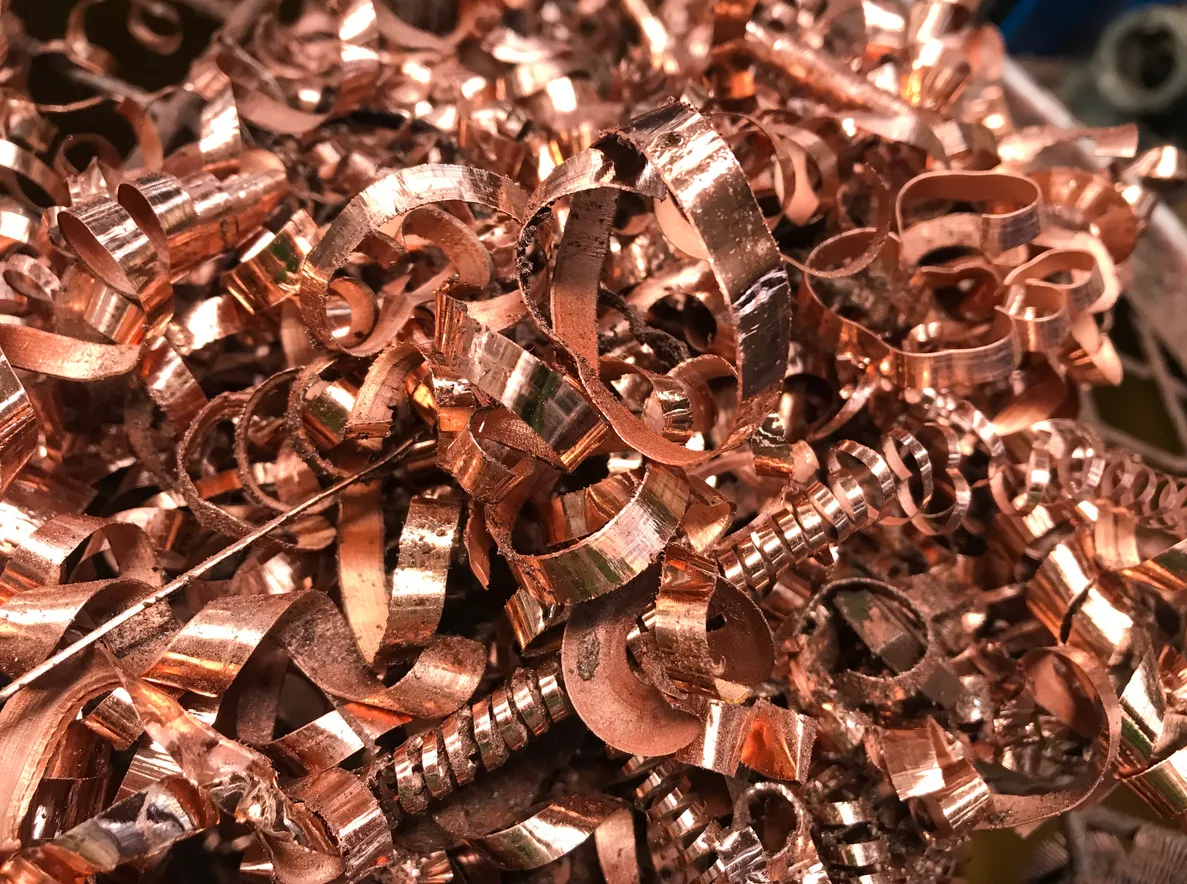
Bare Bright Copper is the highest-grade copper scrap commonly accepted by recycling facilities. It consists of clean, unalloyed, uncoated copper wire that is free from insulation, paint, solder, corrosion, and other contaminants.

Most recycling facilities classify it as:

  • Bright, shiny, and uncoated
  • At least 16-gauge (1.29 mm) or thicker
  • Free from oxidation and tarnish
  • Free of brass fittings, connectors, or steel attachments
  • Not burned to remove insulation

Because it requires very little processing before being melted and reused, bare bright copper typically receives the highest market value.

Why Is Bare Bright Copper the Most Valuable?

The answer lies in purity and processing costs. The cleaner the copper, the less work a recycler has to perform before it can be returned to manufacturers. It contains an exceptionally high percentage of recoverable copper, making it highly desirable for smelters and refiners.

Key Reasons for Its High Value

  • Extremely high copper purity
  • Minimal processing required
  • Strong demand from manufacturers
  • Excellent electrical conductivity
  • Can be recycled repeatedly without losing its properties

Because of these characteristics, Bare Bright Copper is widely used to manufacture new electrical wiring, motors, transformers, industrial equipment, and renewable energy components.

How Is Bare Bright Copper Different from Other Copper Grades?

Understanding the differences between copper grades helps ensure your scrap is classified correctly.

Copper Grade

Description

Typical Value

Bare Bright Copper

Clean, uncoated, stripped wire (16-gauge or thicker)

Highest

#1 Copper

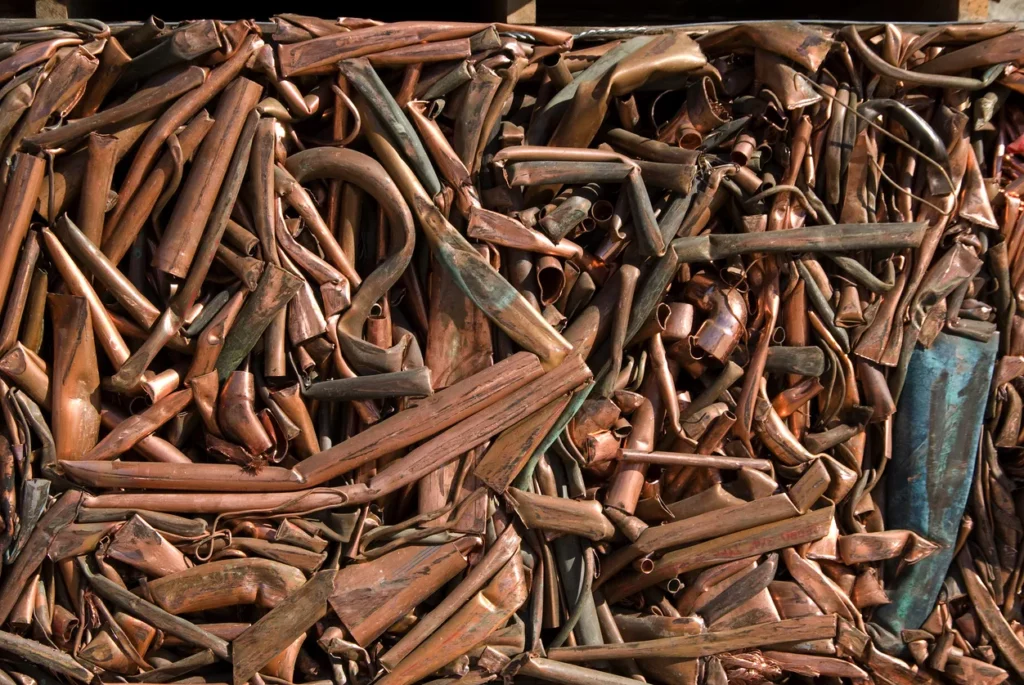
Clean copper tubing, bus bars, and wire with slight oxidation

High

#2 Copper

Painted, soldered, oxidized, or lightly contaminated copper

Moderate

Insulated Copper Wire

Copper wire with plastic or rubber insulation

Varies by copper recovery

While all copper scrap has value, even small amounts of contamination can lower the grade and reduce the price offered by a recycler.

Where Does Bare Bright Copper Come From?

It is most commonly recovered from industries that use large volumes of electrical wiring.

Common Sources Include

  • Electrical contractors
  • Commercial building renovations
  • Industrial manufacturing plants
  • Data centers
  • Utility infrastructure upgrades
  • Telecommunications projects
  • Demolition and decommissioning work

Manufacturers replacing production equipment or upgrading electrical systems often generate substantial quantities of high-grade copper wire.

How Professional Recyclers Identify Bare Bright Copper

Professional recycling facilities inspect copper carefully before assigning a grade. Several factors are evaluated:

Wire Thickness

Bare Bright Copper should generally be 16-gauge or thicker. Thinner wire may be classified differently depending on the recycler’s specifications.

Surface Condition

The wire should appear:

  • Bright
  • Clean
  • Uncoated
  • Free from paint or enamel

Heavy oxidation or discoloration can affect grading.

Contamination

Recyclers check for:

  • Plastic insulation
  • Solder
  • Brass fittings
  • Steel connectors
  • Dirt or grease

Even minor contamination may result in the material being downgraded.

Why Burning Copper Wire Is a Bad Idea

Some sellers mistakenly believe burning insulation from wire increases its value. In reality, this practice often has the opposite effect.

Burning Copper Can:

  • Damage the metal surface
  • Cause oxidation
  • Lower scrap grade
  • Create environmental pollution
  • Violate local environmental regulations

Professional recyclers strongly recommend using mechanical wire strippers or selling insulated wire as-is if stripping is not economical.

What Is Bare Bright Copper and Why Is It the Most Valuable Copper Scrap - Clifton Metals

How to Maximize the Value of Bare Bright Copper

1. Separate Copper by Grade

Keep Bare Bright Copper separate from:

  • #1 Copper
  • #2 Copper
  • Brass
  • Aluminum
  • Insulated wire

Mixing grades can reduce the value of the entire load.

2. Remove Non-Copper Attachments

Before selling, remove:

  • Brass fittings
  • Steel clamps
  • Plastic connectors
  • Electrical terminals

The cleaner the copper, the more valuable it becomes.

3. Store Copper Properly

Proper storage helps preserve quality.

Best practices include:

  • Keeping copper dry
  • Protecting it from chemicals
  • Using dedicated collection bins
  • Preventing contamination from other materials

4. Monitor Market Conditions

Copper prices fluctuate based on:

  • Global supply and demand
  • Manufacturing activity
  • Construction markets
  • Renewable energy investments
  • Geopolitical developments

Businesses selling larger quantities may benefit from monitoring market trends before scheduling shipments.

5. Work with an Experienced Recycling Partner

Professional recyclers understand copper grading standards and can help businesses maximize returns through accurate classification and efficient processing.

Companies such as Clifton Metals provide commercial recycling solutions designed to help industrial businesses recover the highest possible value from copper scrap.

The Growing Demand for Recycled Copper

Copper plays an increasingly important role in modern infrastructure.

Growing demand from:

  • Electric vehicles
  • Renewable energy projects
  • Data centers
  • Grid modernization
  • Construction

continues to support the market for high-quality recycled copper.

As industries seek sustainable sources of raw materials, premium-grade copper scrap remains one of the most valuable recyclable commodities.


Bare Bright Copper represents the highest standard in copper recycling because of its exceptional purity, minimal processing requirements, and strong market demand. For businesses that regularly generate electrical wire scrap, understanding how to identify, prepare, and store Bare Bright Copper can make a noticeable difference in recycling revenue.


Frequently Asked Questions

Q) What qualifies as Bare Bright Copper?

A) Bare Bright Copper is clean, uncoated, unalloyed copper wire that is at least 16-gauge thick and free from insulation, paint, solder, and contaminants.

Q) Why is Bare Bright Copper worth more than other copper grades?

A) Its high purity and minimal processing requirements make it more valuable to recyclers and manufacturers.

Q) Can oxidized copper still be classified as Bare Bright?

A) Heavy oxidation typically disqualifies copper from the Bare Bright category and may result in a lower grade.

Q) Should copper wire be burned to remove insulation?

A) No. Burning wire can damage the copper, reduce its value, and create environmental and regulatory issues.

Q) Who typically generates Bare Bright Copper scrap?

A) Electrical contractors, manufacturers, demolition companies, utility providers, and telecommunications contractors are among the most common sources.
By separating copper grades, avoiding contamination, and partnering with an experienced recycler, companies can maximize the value of one of their most valuable recyclable assets.

Looking to get the best value for your copper scrap? Contact Clifton Metals today to learn how our commercial recycling services and expert grading can help you maximize every pound of Bare Bright Copper.

Hope the tips mentioned in this article help you to get the best out of your scrap.

Ready to turn your scrap into savings?
Reach out to Clifton Metals to schedule your site assessment and see how easy and profitable on-site scrap management can be.

Are you a manufacturer seeking sustainable metal solutions? Let Clifton Metals’ recycling services highly trained experts in scrap metal handling help power your production with quality recycled metals, keeping costs low and the environment clean. Contact us today to learn more.