What Factors Determine How Much Your Scrap Metal Is Worth - Clifton Metals

What Factors Determine How Much Your Scrap Metal Is Worth?

Whether you’re a manufacturer, contractor, demolition company, or homeowner, one question always comes up before visiting a recycling facility: How much is my scrap metal worth?

The answer isn’t as simple as checking today’s market price. While commodity prices play an important role, several other factors influence the value of scrap metal. Everything from the type of metal and its condition to market demand and material preparation can affect the price you’ll receive.

Understanding these factors can help you make informed decisions, improve the quality of your scrap, and maximize the return on every load you recycle.

What Factors Determine How Much Your Scrap Metal Is Worth - Clifton Metals

The Type of Metal

The most significant factor affecting value is the type of metal you’re recycling. Scrap metals are generally divided into two categories:

Ferrous metals

Ferrous metals contain iron and are magnetic. Common examples include:

  • Carbon steel
  • Cast iron
  • Heavy steel
  • Structural steel

These materials are widely recycled but generally have lower values because they are more abundant.

Non-ferrous metals

Non-ferrous metals do not contain significant amounts of iron and are typically worth more.

Examples include:

  • Copper
  • Brass
  • Aluminum
  • Stainless steel
  • Nickel
  • Titanium
  • Lead

Their higher value is driven by demand, limited supply, and the cost of producing new material.

Current Market Prices

Scrap metal prices fluctuate regularly based on global market conditions. Several factors influence pricing, including:

  • Manufacturing activity
  • Construction demand
  • Energy costs
  • International trade
  • Mining production
  • Supply chain disruptions

Because these conditions change frequently, the value of the same material can vary from one month to the next.

Material Grade

Not all scrap from the same metal category is valued equally. Recycling facilities grade materials according to factors such as:

  • Purity
  • Alloy composition
  • Thickness
  • Cleanliness
  • Ease of processing

For example, clean copper wire typically receives a higher price than copper mixed with solder or insulation. Likewise, different grades of stainless steel may be priced differently depending on their alloy content.

Cleanliness and Contamination

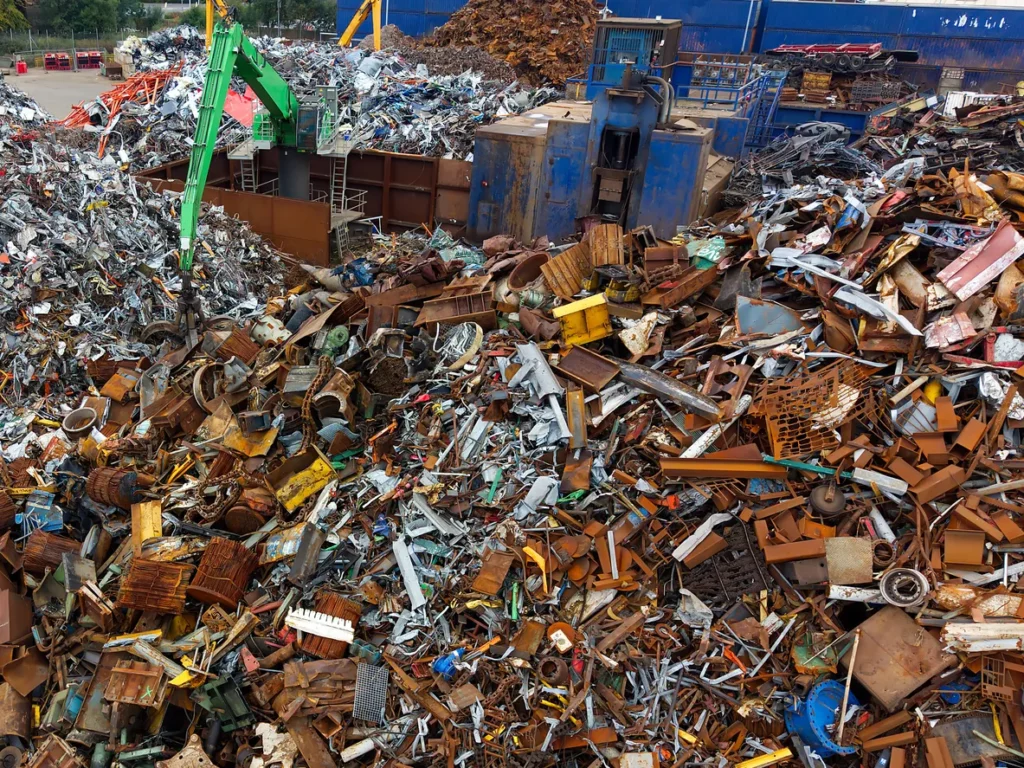
One of the easiest ways to protect the value of your scrap is to keep it clean. Materials contaminated with non-metal items require additional processing before they can be recycled. Common contaminants include:

  • Plastic
  • Rubber
  • Wood
  • Dirt
  • Concrete
  • Oil and grease
  • Glass

The cleaner the material, the more attractive it is to recyclers and the greater the likelihood of receiving a higher price.

Sorting by Metal Type

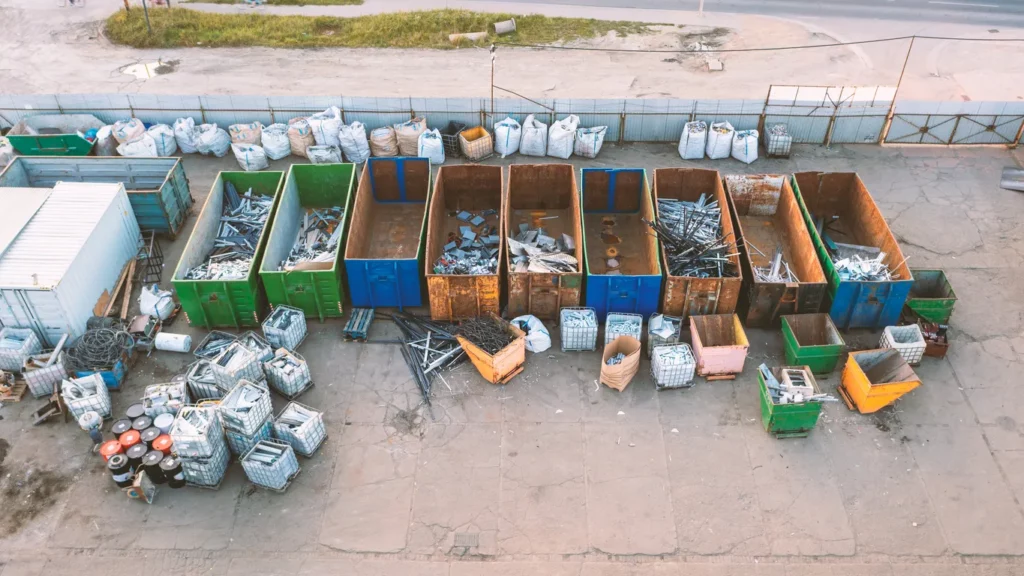
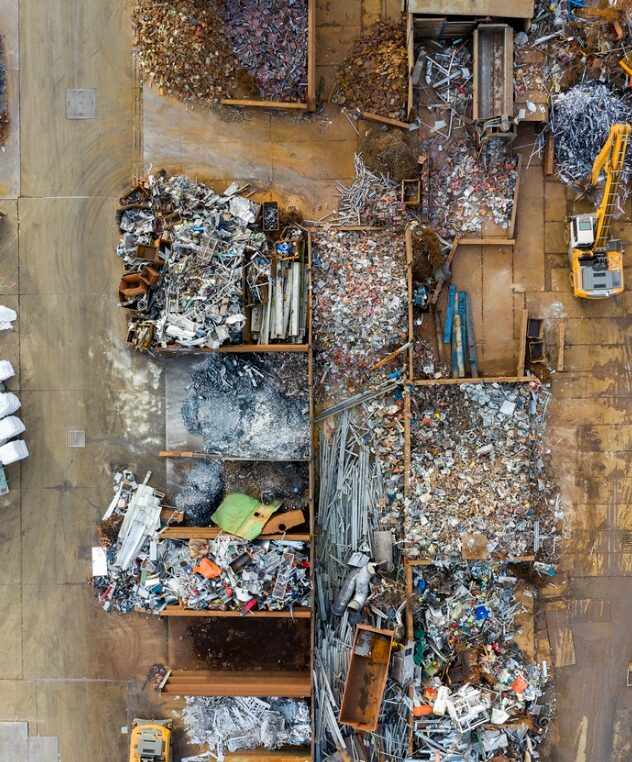
Mixing different metals into one container may seem convenient, but it can reduce the overall value of your load. Separating materials before recycling offers several advantages:

  • More accurate grading
  • Faster processing
  • Reduced contamination
  • Better pricing

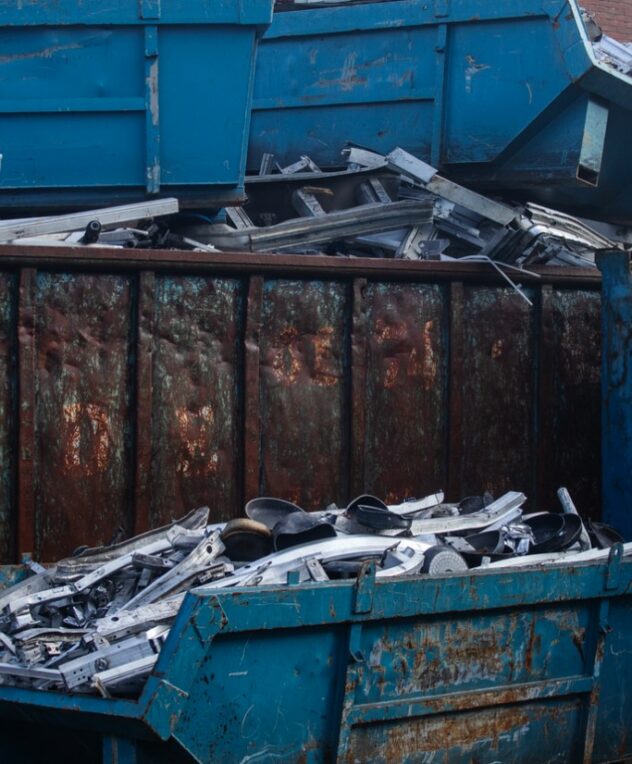
Even separating copper, brass, aluminum, and steel into individual containers can make a noticeable difference.

Quantity of Scrap

The amount of scrap you bring to a recycling facility can also influence its overall value. Businesses that generate consistent volumes of recyclable metal often benefit from:

  • Scheduled pickups
  • Streamlined logistics
  • Reduced transportation costs
  • More efficient processing

Large commercial loads are generally easier to handle than numerous small deliveries, making them more economical to process.

Alloy Composition

Some metals contain alloying elements that increase their value.

Examples include:

  • Stainless steel containing nickel and chromium
  • Brass containing copper and zinc
  • Specialty alloys used in aerospace and industrial manufacturing

Proper identification of these materials helps ensure they are classified correctly. Modern recycling facilities often use advanced equipment to verify alloy composition before pricing.

What Factors Determine How Much Your Scrap Metal Is Worth - Clifton Metals

Condition of the Material

The physical condition of scrap can affect both processing costs and resale value.

Recyclers may consider:

  • Rust or corrosion
  • Excessive wear
  • Burn damage
  • Moisture
  • Attached hardware

Materials that require additional preparation may receive lower pricing than clean, ready-to-process scrap.

Preparation Before Recycling

Preparing scrap properly can improve both efficiency and value.

Simple steps include:

  • Removing non-metal attachments
  • Separating different metals
  • Keeping materials dry
  • Organizing scrap by grade
  • Avoiding unnecessary contamination

While extensive processing isn’t always necessary, basic preparation often helps preserve the material’s value.

Transportation and Logistics

Transportation costs are another factor that can influence the economics of scrap recycling, particularly for commercial operations.

For businesses generating large quantities of metal, services such as:

  • Roll-off containers
  • Scheduled collections
  • On-site pickup

can simplify the recycling process while reducing handling time and operational disruption.

Demand Within Specific Industries

Different industries consume different types of recycled metal.

For example:

  • Copper is widely used in electrical infrastructure and renewable energy.
  • Aluminum remains in high demand across the automotive and packaging sectors.
  • Stainless steel is essential for food processing, healthcare, and construction.
  • Titanium is valued in aerospace and medical manufacturing.

Changes in these industries can directly affect the market value of specific metals.

Choosing the Right Recycling Partner

The recycling company you work with can also influence your experience. An experienced recycler can help with:

  • Accurate material identification
  • Transparent grading
  • Fair pricing
  • Efficient collection services
  • Guidance on preparing materials

Companies such as Clifton Metals work with commercial and industrial customers to develop recycling solutions that maximize value while simplifying the recovery process.

Tips to Maximize the Value of Your Scrap

To improve the return on your recyclable metal:

  • Separate metals by type and grade.
  • Remove plastic, rubber, and other contaminants.
  • Store materials in a clean, dry location.
  • Keep high-value metals separate from lower-value materials.
  • Monitor market conditions if you’re selling larger volumes.
  • Partner with a reputable recycling company that offers transparent grading and pricing.

Small improvements in handling and preparation can have a meaningful impact on the value of your scrap.

The value of scrap metal depends on much more than today’s market price. Metal type, grade, cleanliness, quantity, preparation, and industry demand all contribute to what your material is ultimately worth.


Frequently Asked Questions

Q) Why do scrap metal prices change so often?

A) Prices fluctuate based on global supply and demand, manufacturing activity, commodity markets, energy costs, and economic conditions.

Q) Does cleaning scrap metal increase its value?

A) Clean, uncontaminated metal is generally easier to process and often receives a higher grade than contaminated material.

Q) Is non-ferrous metal worth more than ferrous metal?

A) In many cases, yes. Metals such as copper, brass, and aluminum typically have higher market values than steel or iron.

Q) Should I separate different types of scrap metal?

A) Yes. Separating materials by type and grade can improve pricing and reduce the risk of lower-value classifications.

Q) Does the amount of scrap I recycle matter?

A) For commercial operations, larger and consistent volumes may improve collection efficiency and reduce transportation costs, although pricing still depends on the material’s type and quality.
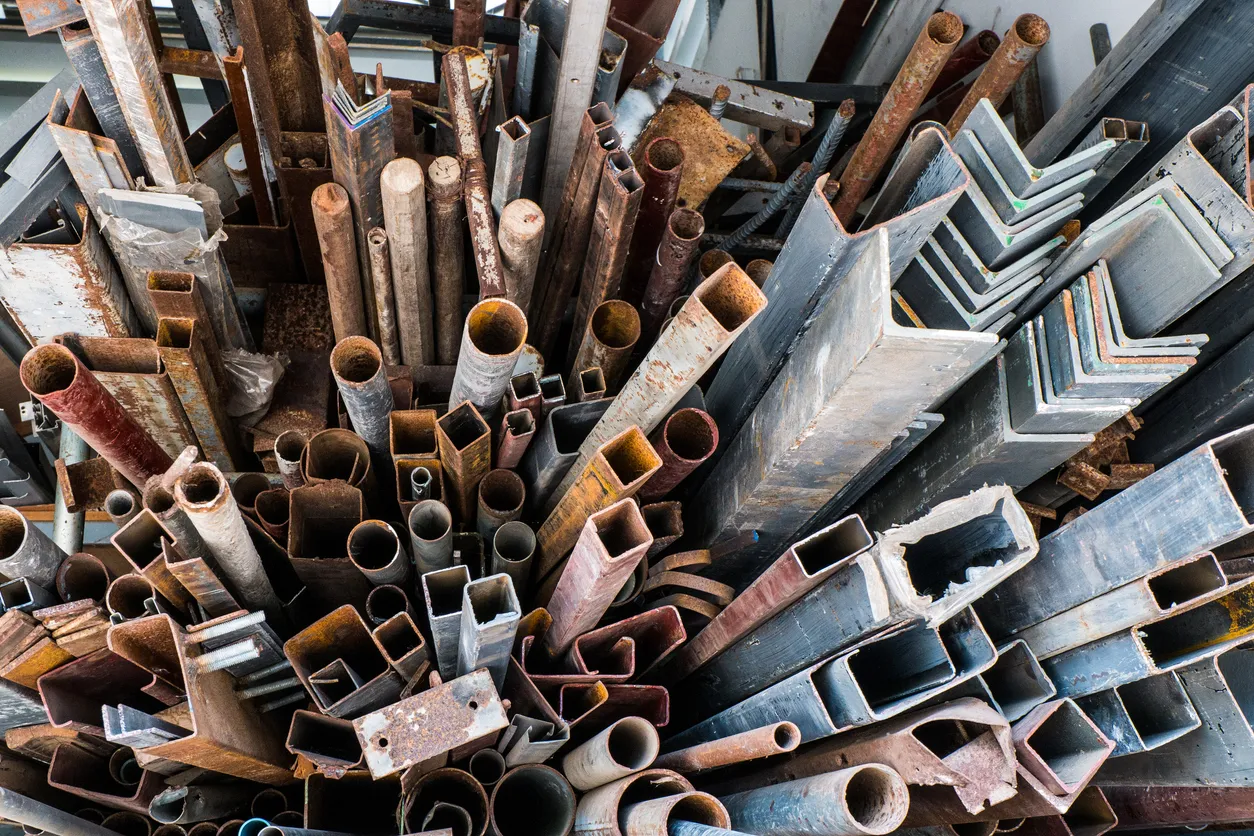
By understanding these factors and following good scrap management practices, businesses and individuals can improve recycling efficiency and maximize the return on their recyclable materials.

Looking to get the most value from your scrap metal? Contact Clifton Metals to learn more about our commercial recycling services, fair grading practices, and customized solutions for businesses across New Jersey and beyond.

Hope the tips mentioned in this article help you to get the best out of your scrap.

Ready to turn your scrap into savings?
Reach out to Clifton Metals to schedule your site assessment and see how easy and profitable on-site scrap management can be.

Are you a manufacturer seeking sustainable metal solutions? Let Clifton Metals’ recycling services highly trained experts in scrap metal handling help power your production with quality recycled metals, keeping costs low and the environment clean. Contact us today to learn more.