What Should Manufacturers Know About Industrial Scrap Metal Grading Standards - Clifton Metals

What Should Manufacturers Know About Industrial Scrap Metal Grading Standards?

For manufacturers, scrap metal is more than just a byproduct of production. It represents a recoverable asset that can generate significant revenue when managed correctly. However, the value of scrap metal isn’t determined solely by weight. One of the most important factors affecting pricing is scrap metal grading.

Industrial scrap metal grading standards help recyclers, processors, and manufacturers establish a common language for evaluating material quality. Understanding these standards can help manufacturers improve recycling efficiency, reduce contamination, and maximize returns from their scrap streams.

Whether your facility generates steel offcuts, aluminum shavings, copper wire, stainless steel remnants, or mixed metal scrap, understanding how materials are graded is essential to getting the best value.

What Should Manufacturers Know About Industrial Scrap Metal Grading Standards - Clifton Metals

What Is Scrap Metal Grading?

Scrap metal grading is the process of classifying recyclable metals based on factors such as:

  • Metal type
  • Purity
  • Composition
  • Size
  • Condition
  • Contamination level

The goal is to determine how easily a material can be processed and returned to the manufacturing supply chain.

Higher-grade scrap typically requires less processing and therefore commands higher market prices.

Why Grading Standards Matter

Without standardized grading systems, pricing and transactions would be inconsistent across the recycling industry.

Grading standards help:

  • Ensure fair market pricing
  • Improve material recovery
  • Reduce processing costs
  • Increase transparency
  • Streamline transactions between suppliers and recyclers

For manufacturers, understanding grading criteria can mean the difference between receiving premium pricing and having valuable materials downgraded.

The Difference Between Ferrous and Non-Ferrous Metals

The first step in grading is determining whether the material is ferrous or non-ferrous.

Ferrous Metals

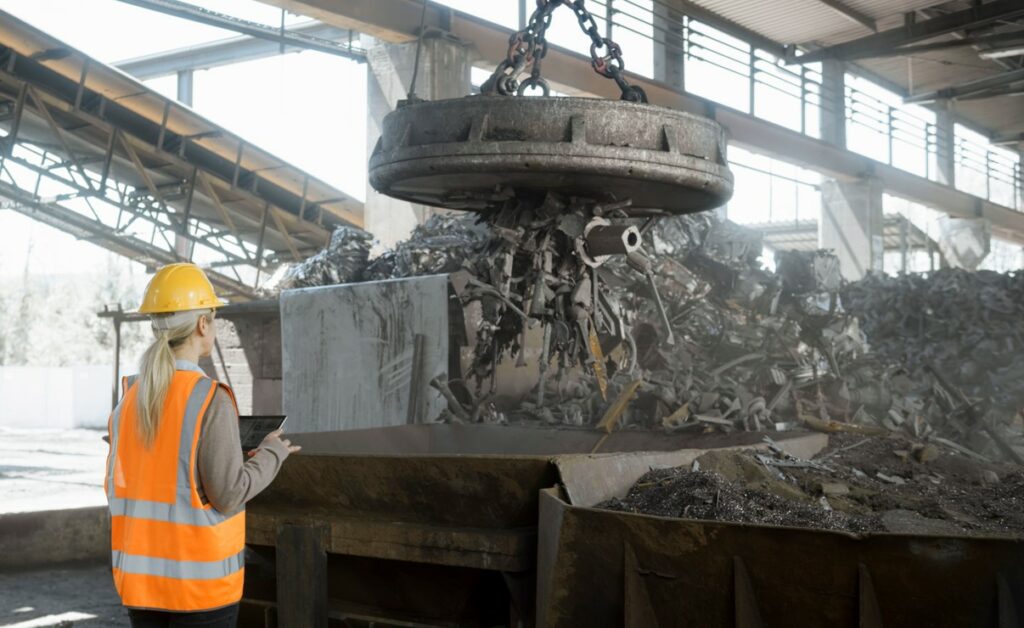
Ferrous metals contain iron and are generally magnetic.

Common examples include:

  • Carbon steel
  • Structural steel
  • Cast iron
  • Tool steel

Ferrous scrap is often graded according to:

  • Thickness
  • Density
  • Cleanliness
  • Preparation level

Non-Ferrous Metals

Non-ferrous metals generally carry higher values due to their demand and recoverability.

Examples include:

  • Copper
  • Aluminum
  • Brass
  • Nickel
  • Lead
  • Zinc
  • Titanium

These metals often have more detailed grading categories because small differences in purity can significantly affect value.

Common Organizations Behind Scrap Metal Standards

The recycling industry relies on established specifications to classify scrap materials.

One of the most widely recognized references in North America is the ISRI Scrap Specifications Circular, developed by the former Institute of Scrap Recycling Industries, now known as the Recycled Materials Association (ReMA).

These specifications provide standardized descriptions for hundreds of scrap grades, helping buyers and sellers communicate clearly regarding material quality and composition.

While individual recyclers may have additional requirements, many grading practices are built around these industry-recognized standards.

Key Factors That Affect Scrap Metal Grades

1. Purity

Purity is often the most important grading factor. The cleaner the metal, the more valuable it generally becomes.

Examples:

  • Clean copper wire receives higher pricing than mixed copper scrap.
  • Clean aluminum extrusions are worth more than mixed aluminum scrap.

2. Contamination

Contamination can significantly reduce scrap value.

Common contaminants include:

  • Plastic
  • Rubber
  • Wood
  • Dirt
  • Oil
  • Paint
  • Concrete residue

Even small amounts of contamination can result in a lower grade classification.

3. Alloy Composition

Many metals are graded according to their alloy makeup.

For example:

Stainless Steel

Different stainless grades contain varying levels of:

  • Nickel
  • Chromium
  • Molybdenum

These elements affect recycling value.

Aluminum

Grades such as:

  • 6061
  • 6063
  • Cast aluminum

are often sorted separately due to differences in composition.

4. Physical Size and Density

Scrap processors also consider:

  • Thickness
  • Length
  • Density
  • Ease of handling

For example:

  • Heavy melting steel often receives different pricing than light-gauge steel.
  • Prepared scrap may be worth more than oversized materials requiring additional processing.
What Should Manufacturers Know About Industrial Scrap Metal Grading Standards - Clifton Metals

Understanding Copper Grading Standards

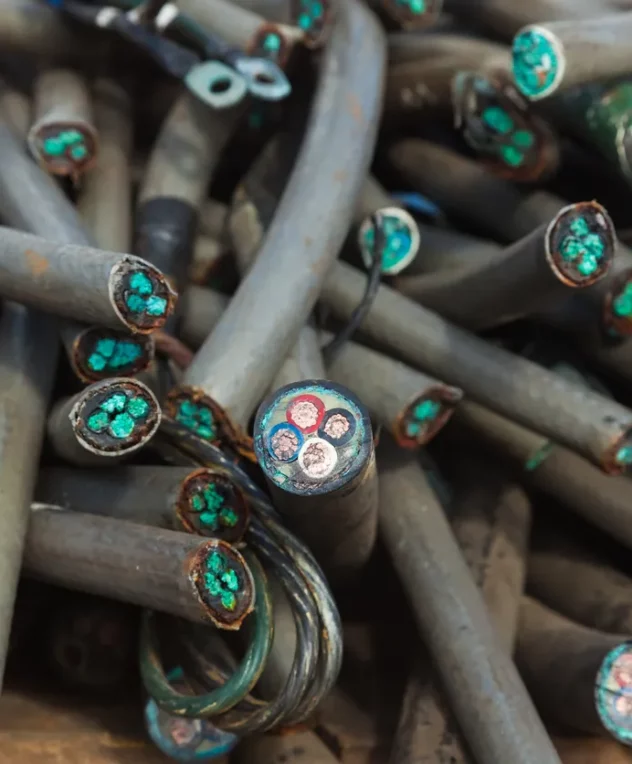
Copper is one of the most closely graded metals due to its high value.

Bare Bright Copper

Typically considered the highest grade.

Characteristics:

  • Clean
  • Uncoated
  • Unalloyed
  • Free of insulation

#1 Copper

Includes:

  • Clean tubing
  • Bus bars
  • Wire without excessive contamination

#2 Copper

May contain:

  • Paint
  • Solder
  • Oxidation
  • Minor attachments

Because it requires additional processing, it generally receives lower pricing.

Why Manufacturers Should Separate Scrap at the Source

One of the simplest ways to improve scrap value is through source separation.

Benefits Include

  • Reduced contamination
  • Improved grading accuracy
  • Higher payouts
  • Faster processing

For example, mixing stainless steel with carbon steel may cause the entire load to be downgraded.

Proper segregation helps preserve the value of each material category.

Technology Is Improving Scrap Grading

Modern recycling facilities increasingly use advanced technologies to improve grading accuracy.

Common Tools Include

  • X-ray fluorescence (XRF) analyzers
  • Spectrometers
  • Automated sorting systems
  • AI-assisted material identification

These tools help identify alloy composition and reduce the risk of grading errors.

As recycling technology evolves, grading standards continue becoming more precise.

Common Mistakes That Reduce Scrap Value

Manufacturers often lose revenue because of avoidable errors.

Common Issues Include

  • Mixing metal grades
  • Allowing contamination
  • Poor storage practices
  • Combining ferrous and non-ferrous metals
  • Failing to remove non-metal attachments
  • Addressing these issues can significantly improve scrap revenue.

Real-World Example: Fabrication Plant Improves Scrap Revenue

A metal fabrication facility was selling mixed aluminum scrap in a single container.

After implementing a grading-focused recycling program:

  • Aluminum grades were separated
  • Contamination was reduced
  • Employees received sorting training

Results

  • Improved material classification
  • Higher average pricing
  • Reduced processing deductions
  • Increased annual scrap revenue

The company generated greater value without increasing production volume.

How Manufacturers Can Maximize Value Through Better Grading

Best Practices

✔ Separate materials at the point of generation

✔ Use clearly labeled collection containers

✔ Train employees on material identification

✔ Keep scrap clean and dry

✔ Work with experienced recycling partners

✔ Understand commonly accepted grading standards

These practices help ensure scrap materials receive the highest possible classification.


Frequently Asked Questions

Q) What is scrap metal grading?

A) Scrap metal grading is the process of classifying recyclable metals based on purity, composition, condition, and contamination levels.

Q) Why do scrap grades affect pricing?

A) Higher-grade materials require less processing and are therefore generally worth more to recyclers.

Q) What organization provides industry scrap specifications?

A) Many recyclers reference specifications developed by the Recycled Materials Association (ReMA), formerly ISRI.

Q) How can manufacturers improve scrap grades?

A) Separating metals, preventing contamination, and storing materials properly can significantly improve grading outcomes.

Q) What technology is used to grade scrap metal?

A) Modern recyclers commonly use XRF analyzers, spectrometers, automated sorting systems, and AI-assisted identification tools.
Industrial scrap metal grading standards play a critical role in determining the value of recyclable materials. For manufacturers, understanding how scrap is classified can improve pricing, reduce contamination, and strengthen recycling outcomes.

By implementing proper sorting procedures, maintaining material quality, and partnering with knowledgeable recyclers, manufacturers can maximize both the financial and environmental benefits of their recycling programs.

Looking to improve your scrap management process? Contact Clifton Metals today to learn how our industrial recycling solutions can help your facility achieve better grading accuracy and maximize scrap value.

Hope the tips mentioned in this article help you to get the best out of your scrap.

Ready to turn your scrap into savings?
Reach out to Clifton Metals to schedule your site assessment and see how easy and profitable on-site scrap management can be.

Are you a manufacturer seeking sustainable metal solutions? Let Clifton Metals’ recycling services highly trained experts in scrap metal handling help power your production with quality recycled metals, keeping costs low and the environment clean. Contact us today to learn more.