Why Knowing Aluminum Scrap Types Matters in Metal Recycling - Clifton Metals

Why Knowing Aluminum Scrap Types Matters in Metal Recycling

If you manage or supply scrap to a recycling yard in the USA, knowing your aluminum scrap types pays off. Aluminum scrap isn’t all the same as different grades, shapes, and alloys drive the price, how it’s recycled, and even how green your operation looks to buyers and regulators.​

Why Knowing Aluminum Scrap Types Matters in Metal Recycling - Clifton Metals

The Major Scrap Types

Sheet Aluminum: Found in siding, car panels, and signs. Sheets are usually thin and flat, and clean sheets without paint or insulation get the best price.​

  • Extrusions: Window frames, door rails, and architectural shapes. Clean, bare extrusions (no paint or plastic) are treated as high-grade scrap.​
  • Cast Aluminum (Tense, Cast Scrap): Engine blocks, gearbox housings, and machinery parts. Often alloyed with silicon or magnesium, keep it clean and separate for premium rates.​
  • Taint/Tabor Scrap: Mixed aluminum sheet from appliances, siding, and cladding & usually painted or coated. Still valuable, but buyers want it sorted.​
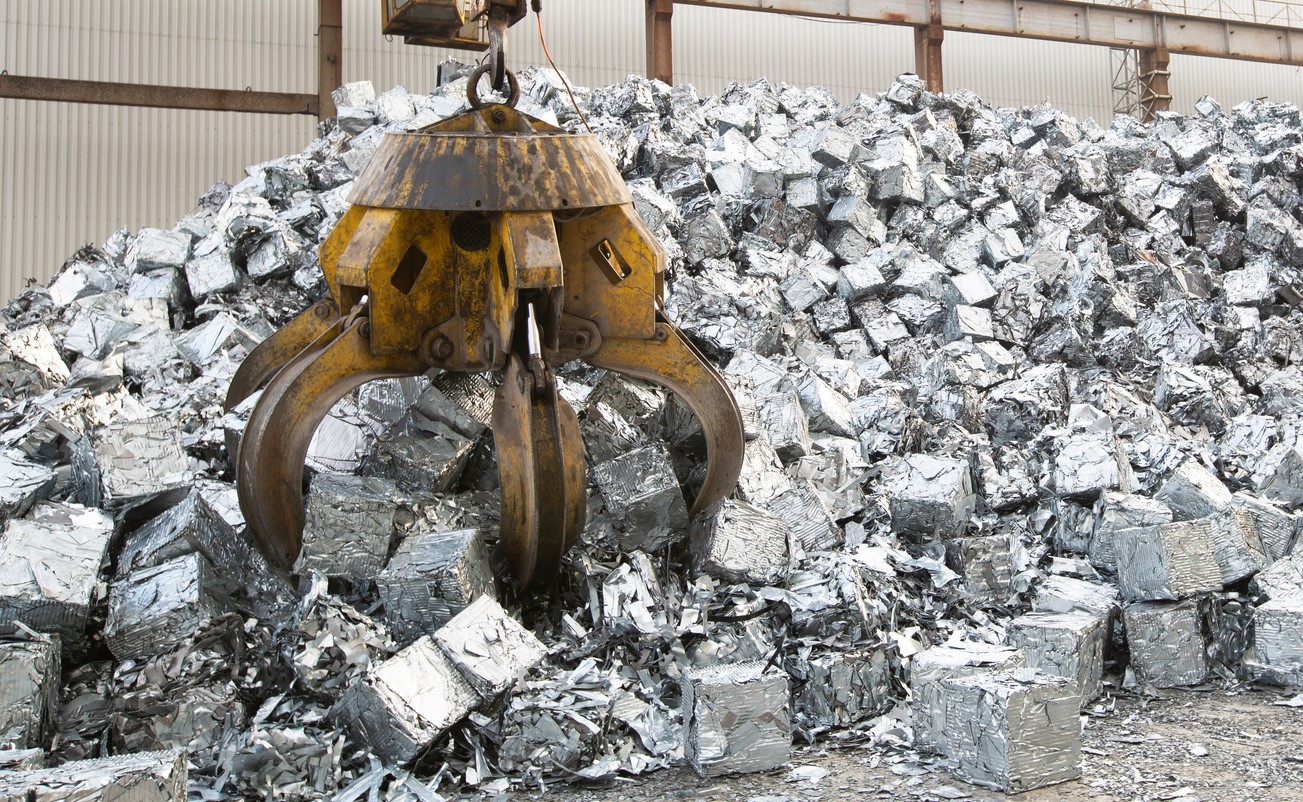
  • Twitch Scrap: Light, shredded scrap (like beverage cans, ASR, household goods). This mix is popular with secondary producers but must be free of non-aluminum trash.​
  • Turnings and Borings: Machining shavings from factories. Must be dry and clean—cutting fluid contamination drops the value.​
  • Wire and Cable: The best price goes to bare wire. Stripped cable fetches more than insulated, which needs extra processing.​

Why Sorting Matters

  • Get Paid More: Sorted, clean scrap always sells for a higher price. Mixed or dirty loads get downgraded to the lowest grade, cutting profits.​
  • Speed Up Transactions: Clear labeling and sorted bins let yards weigh, grade, and pay you faster.​
  • Reduce Downtime: When scrap is sorted at the facility, recyclers don’t need to feed it back through machines, keeping lines moving.​
  • Better for the Environment: Efficient recycling needs high-purity input. Contaminated or mixed metals result in “downcycling,” where good scrap is turned into low-end alloys instead of premium products.​
Why Knowing Aluminum Scrap Types Matters in Metal Recycling - Clifton Metals

The Bottom Line for U.S. Recyclers

Sorting aluminum scrap types lets you:

  • Command a higher, market-driven price for each grade
  • Reduce confusion and disputes over loads
  • Improve sustainability by keeping high-value aluminum in circulation
  • Support a circular economy by making recycling less wasteful and energy-intensive
  • Meet the tough new standards big US consumers want for their recycled-metal supply​

Quick Tips for Maximizing Your Scrap

  • Sort at the source: Train your team to recognize and separate types right on the shop floor
  • Keep it clean: Remove attached steel, insulation, or liquids
  • Know your codes: Learn common ISRI grades (taint/tabor, tense, twitch)
  • Communicate: Label loads clearly before sending to a yard

Frequently Asked Questions

Q: What are the common types of aluminum scrap?

A: The most common types include aluminum sheet (found in siding and car panels), extrusions (window frames, door rails), cast aluminum (engine blocks, machine parts), taint/tabor (mixed, often coated sheets), twitch (shredded light scrap), turnings (machined chips), and wire/cable. Each type must be sorted and cleaned for top dollar.​

Q: Why is sorting aluminum scrap so important?

A: Sorting increases the scrap’s value and helps recyclers process loads efficiently. Mixed loads are paid at the lowest grade, while sorted and clean material fetches a much higher price.​

Q: How does sorting impact the environment?

A: High-purity, well-sorted aluminum scrap prevents “downcycling,” where good metal is turned into low-end castings. Sorted scrap ensures aluminum keeps circulating in the economy with minimal energy and carbon emissions as recycling aluminum saves up to 95% of the energy compared to producing new metal.​

Q: Which aluminum pays the best?

A: Clean extrusions and sheet aluminum generally pay the highest rates. Painted, mixed, or contaminated aluminum is docked in price due to the extra effort needed to recycle it.​

Q: Is insulated aluminum wire worth stripping before recycling?

A: Yes. Bare, uninsulated aluminum wire is worth significantly more than insulated wire. Stripping insulation (or keeping wire separate) can mean a better payout.​

Q: What mistakes reduce scrap aluminum payout?

A: Mixing different grades, leaving oil or cutting fluids on turnings, and failing to remove steel or plastic lowers the price. Always keep grades separate, clean, and dry to maximize value.​

Q: What’s the best way to get started with sorting in a facility?

A: Set up clearly labeled bins for each major scrap type e.g. sheet, extrusions, cast, wire, and turnings. Train your team to recognize them on the shop floor before the loads go to the yard.​

Getting familiar with aluminum scrap types is the kind of practical skill that separates top performers from average ones in the US metal recycling business. Take a few extra minutes to sort and label your load. You’ll see the difference on your check and the planet will thank you.

Hope the tips mentioned in this article help you to get the best out of your scrap.

Ready to turn your scrap into savings?
Reach out to Clifton Metals to schedule your site assessment and see how easy and profitable on-site scrap management can be.

Are you a manufacturer seeking sustainable metal solutions? Let Clifton Metals’ recycling services highly trained experts in scrap metal handling help power your production with quality recycled metals, keeping costs low and the environment clean. Contact us today to learn more.