The Ultimate Guide to Brass Recycling What You Need to Know - Clifton Metals

The Ultimate Guide to Brass Recycling: What You Need to Know

Brass is a commonly recycled non-ferrous metals in the scrap industry found in plumbing fixtures to decorative hardware. When it comes to turning scrap into revenue, brass offers strong value and consistent demand.

In this guide, we’ll break down everything you need to know about brass recycling, from identifying different types to maximizing your payout at trusted processors like Clifton Metals.

The Ultimate Guide to Brass Recycling What You Need to Know - Clifton Metals

Why Recycle Brass?

Brass is a metal which is 100% recyclable without any loss of quality, making it highly desirable for manufacturers. Recycling reduces the need to mine new copper and zinc which are resource-intensive processes. It also saves energy as it uses only about 10–15% of the energy required to produce from raw ore.

Selling brass scrap is also one of the more profitable materials per pound, especially compared to lower-value ferrous metals like steel or iron.

Common Sources of Brass Scrap

Brass is found in many residential, commercial, and industrial settings:

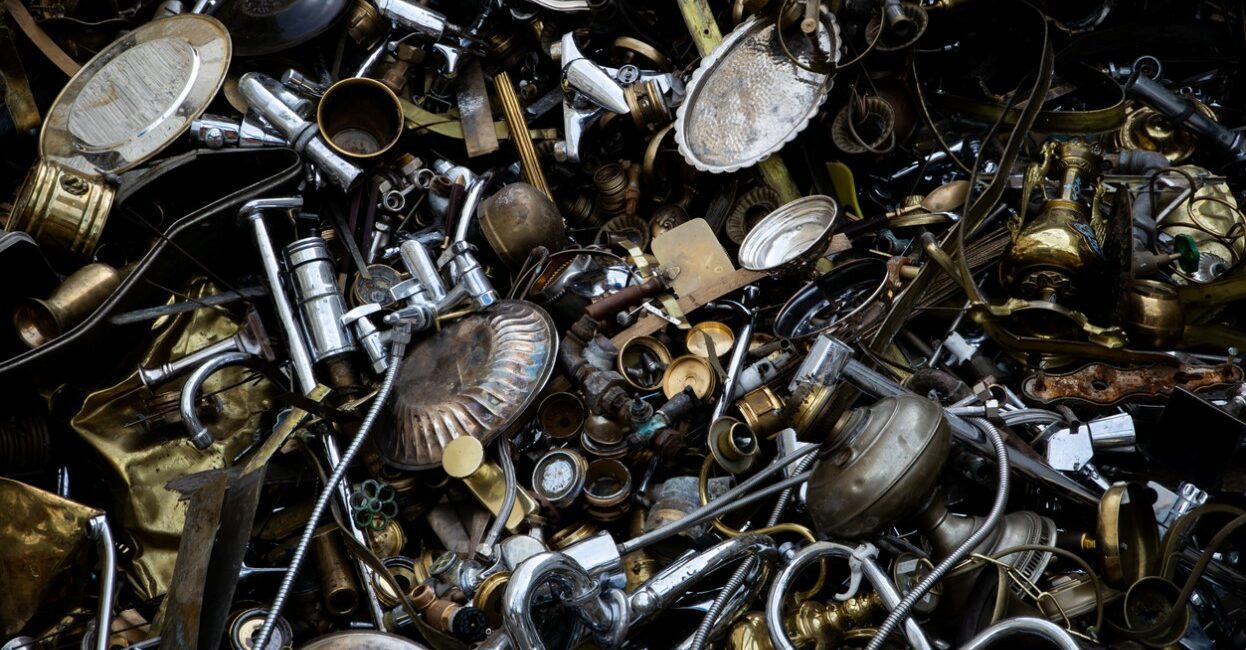
Plumbing components – Faucets, valves, pipe fittings

Electrical parts – Connectors, terminal strips

Decorative items – Door knobs, handles, lighting fixtures

Mechanical parts – Gears, locks, pump casings

Spent ammunition casings (cleaned and legally permitted)

Knowing where to look is the first step to building volume and earning more from your scrap.

Types of Brass and How They’re Graded

At facilities like Clifton Metals, brass is purchased by type and grade. Common categories include:

Yellow Brass

This is the most common type—used in plumbing and fixtures. It usually contains about 60-70% copper and is the standard grade accepted at most yards.

Red Brass

Also known as gunmetal, red brass has higher copper content (up to 85%) and is worth significantly more per pound than yellow brass.

Mixed Brass

Unsorted or dirty brass with attachments (screws, plastic, rubber). It’s accepted, but priced lower because of the extra processing required.

Contaminated Brass

Brass with excessive solder, oil or non-metal materials may fetch lower value or directly rejected. Cleaning and sorting can significantly improve their value.
The Ultimate Guide to Brass Recycling What You Need to Know - Clifton Metals

How Brass Is Recycled

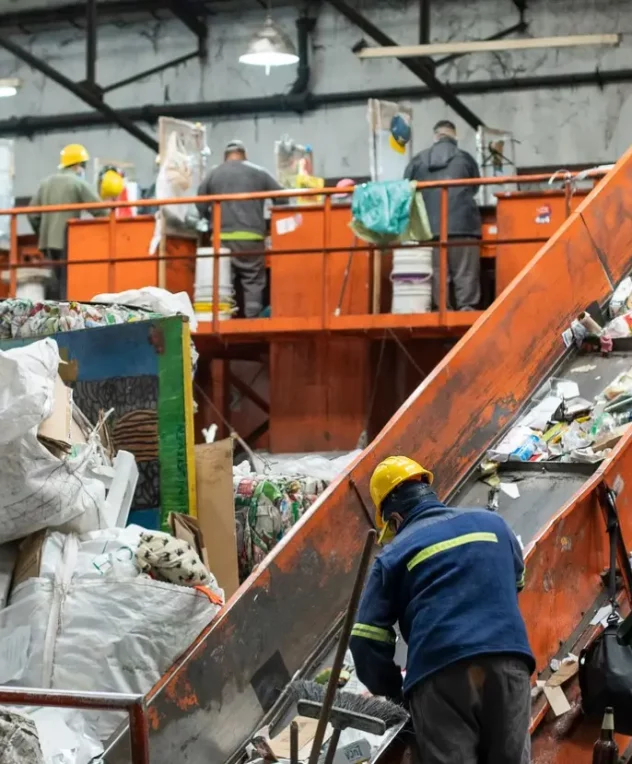
Collection – Brass is gathered from residential or commercial scrap.

Sorting & Grading – The metal is separated by type and quality.

Shredding & Melting – Sorted brass is melted in a furnace at over 1,600°F.

Refining – Impurities are removed to produce clean alloy ingots.

Reuse – The refined brass is sold back into the manufacturing market.

Clifton Metals handles this entire process using environmentally responsible methods, ensuring minimal waste and regulatory compliance.

Tips for Maximizing Your Brass Recycling Value

Remove non-brass attachments (steel screws, plastic inserts)

Sort by type – Red brass fetches more than yellow or mixed

Keep it clean – No oil, paint, or debris

Store dry and rust-free – Oxidation can affect grade

Check prices regularly – Brass prices are tied to copper markets and fluctuate daily

Clifton Metals publishes updated scrap metal pricing, so you can time your sale for the best return.

Why Bring Your Brass to Clifton Metals?

Located in New Jersey, Clifton Metals is a trusted name in non-ferrous scrap recycling. Here’s why brass sellers choose them:

  • Accurate, transparent grading and weighing
  • Top-tier prices for clean, sorted brass
  • On-site pickup and dumpster service for bulk clients
  • Full-service recycling facility with environmentally sound practices
  •  Real-time market pricing and customer support

Conclusion

Brass is more than just scrap—it’s a valuable asset when properly collected and sold. Whether you’re a contractor, plumber, manufacturer, or metal scrapper, understanding the ins and outs of brass recycling can help you capture more value and support sustainable practices.

Ready to turn your brass into cash? Contact Clifton Metals or visit cliftonmetals.com to get started.

Hope the tips mentioned in this article help you to get the best out of your scrap.

Are you a manufacturer seeking sustainable metal solutions? Let Clifton Metals’ recycling services highly trained experts in scrap metal handling help power your production with quality recycled metals, keeping costs low and the environment clean. Contact us today to learn more.