Selling scrap metal is not simply a matter of collecting discarded materials and taking them to a recycling yard. The way you sort, clean, store, and prepare your scrap can directly affect its classification and potential value.
For manufacturers, contractors, demolition companies, and commercial businesses, proper scrap metal preparation can reduce unnecessary handling, improve load quality, and make recycling transactions more efficient. A little organization before delivery can prevent valuable materials from being treated as mixed or lower-grade scrap.
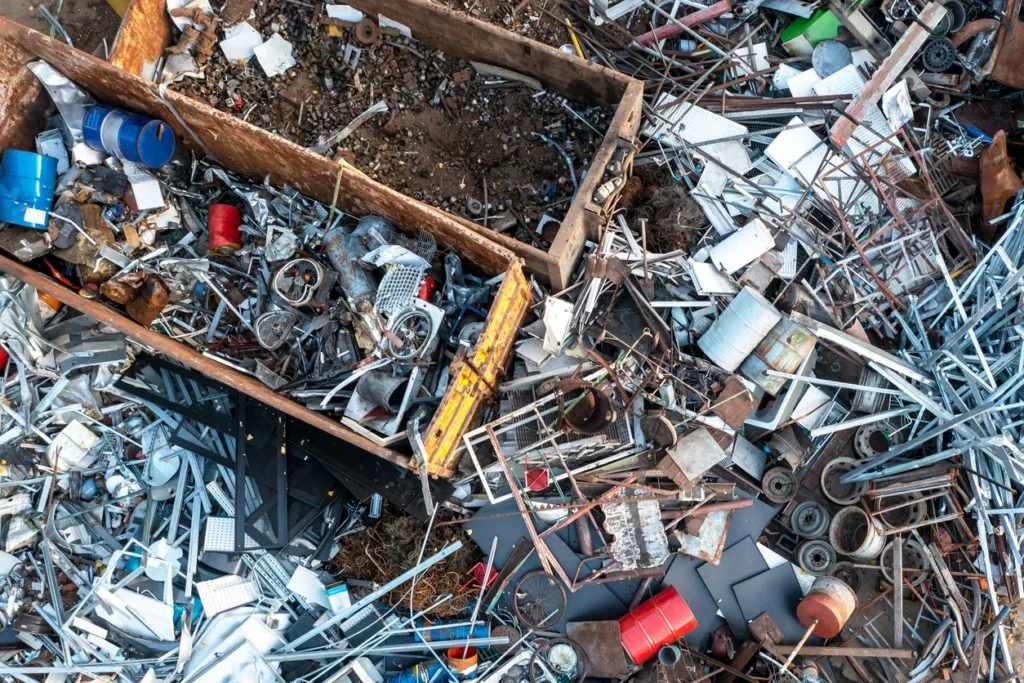
Scrap metal buyers classify materials according to their type, purity, physical condition, and processing requirements. Copper, aluminum, brass, stainless steel, and steel each have different characteristics and market values.
When different metals are mixed together, the buyer may need to spend additional time and resources separating them. Contamination from plastic, rubber, insulation, dirt, and other materials can also affect grading.
Sorting scrap at the source helps businesses:
The goal is not to perform unnecessary processing. It is to prepare materials in a way that makes their composition and quality easier for the buyer to verify.
The first step in scrap preparation is separating ferrous and nonferrous materials. Ferrous metals contain iron and include steel, cast iron, and many construction and machinery components. They are commonly identified using a magnet, although magnetism alone cannot determine the exact alloy or grade.
Nonferrous metals include copper, aluminum, brass, and bronze. These materials are often more valuable than common steel scrap, making proper separation particularly important.
Create separate collection areas for:
Keeping these categories separate from the beginning reduces the chance of valuable nonferrous material being mixed into a lower-value load.
Separating metals is only the beginning. Where practical, sort materials further according to their grade and physical characteristics. For example, copper may include bare bright copper, clean copper tubing, insulated wire, and mixed copper components. These materials may not receive the same classification because their purity and recovery requirements differ.
Similarly, aluminum can include clean sheet, extrusion, cast aluminum, foil, and materials containing attachments or other metals. Avoid combining materials simply because they appear similar. Maintain separate containers for identifiable categories and ask the recycling buyer about its specific grading requirements.
Attachments made from nonmetallic materials can reduce the quality and value of scrap. Depending on the material and the time involved, removing them may improve the grade.
Common attachments include:
For example, copper wire with insulation may be classified differently from clean copper. Removing insulation may improve the material grade in some cases, but the labor involved should also be considered. Businesses should not automatically strip or dismantle every item. Compare the potential value improvement with labor, equipment, safety requirements, and processing costs.
Clean scrap is easier to inspect, sort, and process. Dirt, oil, concrete, plastic, and other contaminants can increase handling requirements and affect grading. Manufacturing facilities should aim to collect scrap directly at the point where it is generated. Separate clean metal offcuts from general workshop waste, and avoid placing scrap in containers that previously held incompatible materials.
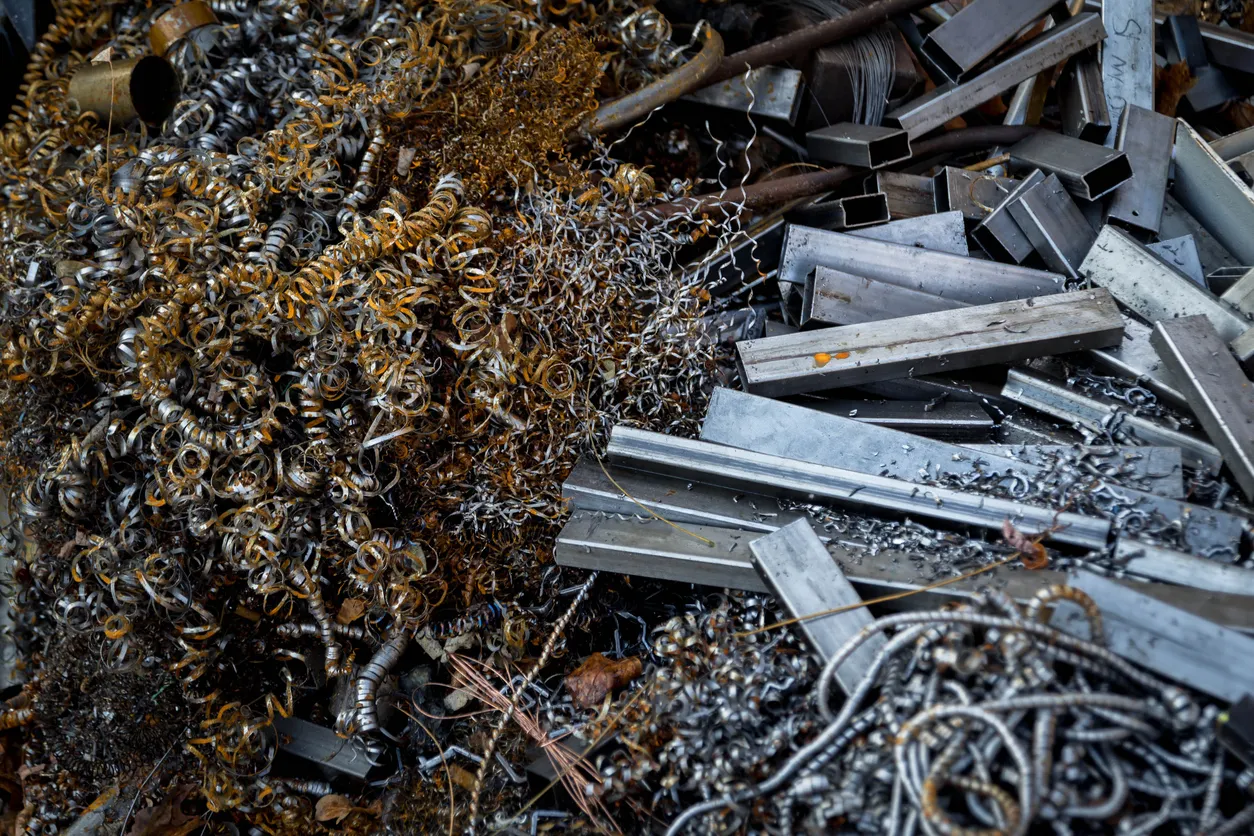
For oily turnings, machinery components, and other potentially contaminated scrap, follow applicable workplace and environmental handling procedures. Do not pour oils, chemicals, or other fluids into drains or onto the ground in an attempt to clean scrap. The appropriate preparation method depends on the material and the type of contamination involved.
Some industrial scrap requires more detailed sorting because its alloy composition affects its value and potential applications. Stainless steel, tool steel, nickel alloys, titanium, and other specialized metals should be kept separate when their identity is known. Mixing different alloys can make classification more difficult and may reduce the buyer’s ability to recover the material efficiently.
Maintain supplier documentation, material certificates, or production records where available. These records can help support accurate identification, especially when the metal cannot be distinguished through appearance alone. If the material’s composition is uncertain, label it as unidentified and consult the buyer rather than guessing.

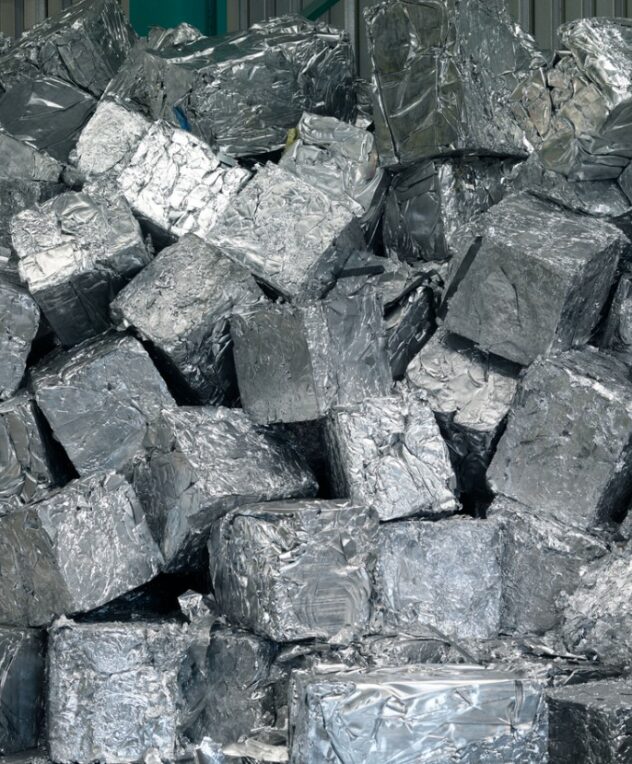
Scrap preparation should also account for how materials will be handled and transported. Use suitable containers, bins, pallets, or designated collection areas. Compacting or bundling certain materials may improve transport efficiency, but this should only be done when the buyer accepts the format and the process is safe.
Avoid overloading containers or creating unstable piles. Sharp edges, heavy components, and loose metal pieces can cause injuries or damage equipment if they are not handled properly. For larger commercial loads, coordinate with the recycling yard in advance regarding:
A well-prepared load can reduce delays during collection and unloading.
The way scrap is stored can influence its condition before it reaches the recycling yard. Whenever possible, store materials in a covered, dry, and organized area. Protect scrap from unnecessary exposure to rain, mud, and other contaminants. While surface rust does not automatically make steel unrecyclable, excessive contamination and moisture can create additional handling concerns.
Use clearly labeled containers and avoid mixing production scrap with general waste. A consistent storage system also helps businesses track how much material they generate and identify opportunities to improve recovery. Separate hazardous or regulated materials according to applicable safety and environmental requirements. Not every discarded component should be placed directly into a standard scrap bin.
One common mistake is spending excessive time preparing scrap without calculating whether the additional effort is worthwhile. Removing attachments, stripping wire, dismantling equipment, or separating components can sometimes improve the material’s classification. However, the additional labor, tools, energy, and safety risks may outweigh the potential increase in sale value.
Before investing in extensive preparation, consider:
Discuss preparation options with the recycling yard before undertaking large-scale dismantling or processing.
Scrap metal prices and grading requirements vary according to material type, market conditions, location, and buyer specifications. A reliable recycling partner can help businesses understand which sorting and preparation methods are likely to be worthwhile.
Clifton Metals works with businesses managing industrial and commercial scrap metal. Discussing the material in advance can help clarify accepted grades, pickup requirements, and preparation expectations. Consistent communication is particularly important for recurring scrap streams, where even small improvements in sorting can produce meaningful operational benefits over time.
A) Sorting can improve value by separating higher-grade materials and reducing contamination. The actual increase depends on the material type, grade differences, quantity, and buyer requirements.
A) Yes. Copper and aluminum have different compositions, values, and processing requirements. Keeping them separate supports more accurate grading.
A) It depends on the wire type, quantity, labor cost, and difference between insulated and bare copper prices. Compare the potential value improvement with the time and equipment required.
A) Use dedicated, labeled containers, collect scrap at the point of generation, separate metal from general waste, and store materials in a clean and protected area.
A) Light surface rust does not necessarily require removal. Extensive contamination or heavy buildup may affect classification, so consult the buyer before investing in cleaning.
A) Yes, but mixed materials may require additional sorting and could receive a different classification or price. Separating identifiable metals beforehand is generally more efficient.
Getting the most value from scrap metal starts well before the material reaches a recycling yard. Separating ferrous and nonferrous metals, sorting by grade, reducing contamination, documenting specialized alloys, and storing scrap correctly can improve material quality and simplify the selling process.
The most effective preparation strategy balances potential value with labor, safety, and handling costs. By establishing a structured scrap management system and working with an experienced buyer, businesses can recover more value while improving the efficiency of their recycling operations.
Hope the tips mentioned in this article help you to get the best out of your scrap.
Ready to turn your scrap into savings?
Reach out to Clifton Metals to schedule your site assessment and see how easy and profitable on-site scrap management can be.
Are you a manufacturer seeking sustainable metal solutions? Let Clifton Metals’ recycling services highly trained experts in scrap metal handling help power your production with quality recycled metals, keeping costs low and the environment clean. Contact us today to learn more.