When comparing aluminum sheet price and steel sheet price, whether for raw materials or scrap recycled metal, two main trends stand out: aluminum is generally more expensive per unit weight than basic steel, and the market price of each material is influenced by global supply, demand, and industrial factors.
Why Aluminum Often Costs More
Aluminum requires much more energy to produce than steel. The process of refining aluminum from bauxite ore and then smelting it into sheet material is energy-intensive, which raises its base price compared with steel. As a result, raw aluminum prices trade significantly higher than steel on global markets. For example, aluminum benchmark prices on major commodity exchanges were above $3,200 per metric ton in early 2026, reflecting stronger pricing than many steel grades. That is due in part to supply and tariffs affecting U.S. markets.
Steel sheet material, particularly common grades like hot-rolled coil or mild steel sheet, tends to trade at lower base prices than aluminum per ton. Steel prices fluctuate with iron ore costs and demand from construction and automotive sectors, and are generally lower than aluminum per equivalent weight.
Scrap Price Differences in Practice
For scrap recycling, the same premium on aluminum often holds true. Even though scrap rates vary widely across regions and local yards, general price dynamics show that:
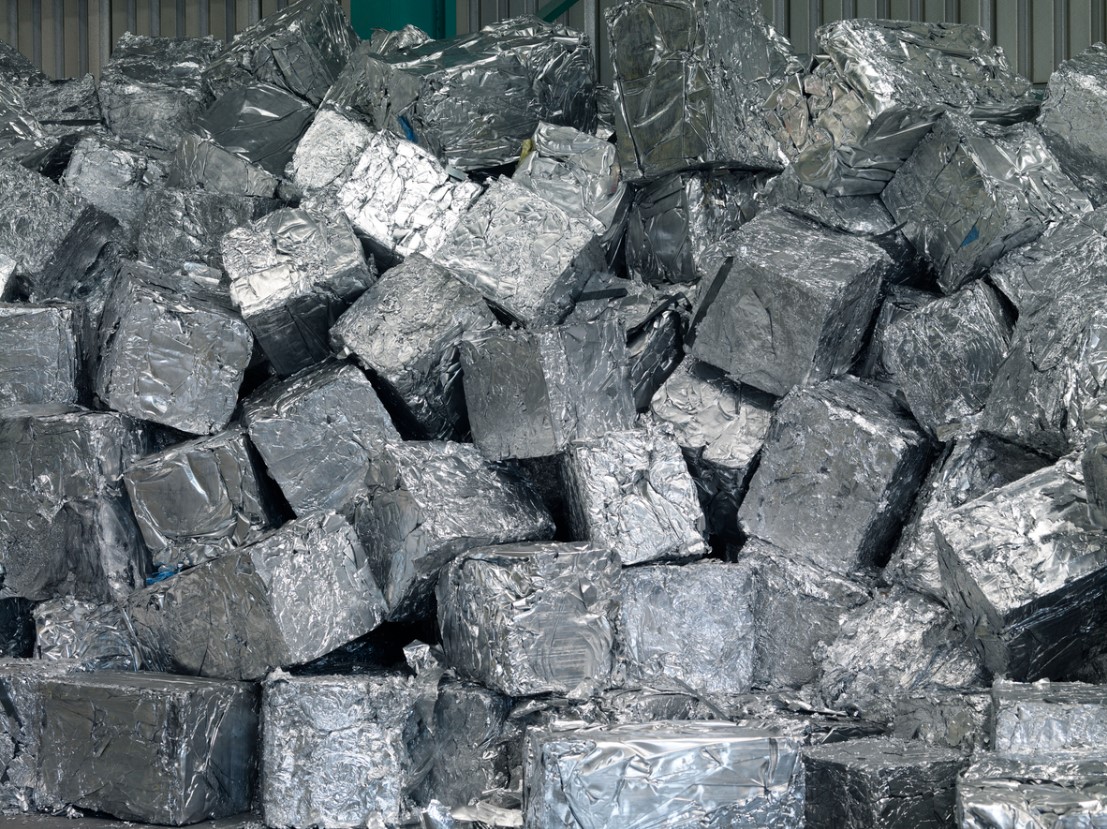
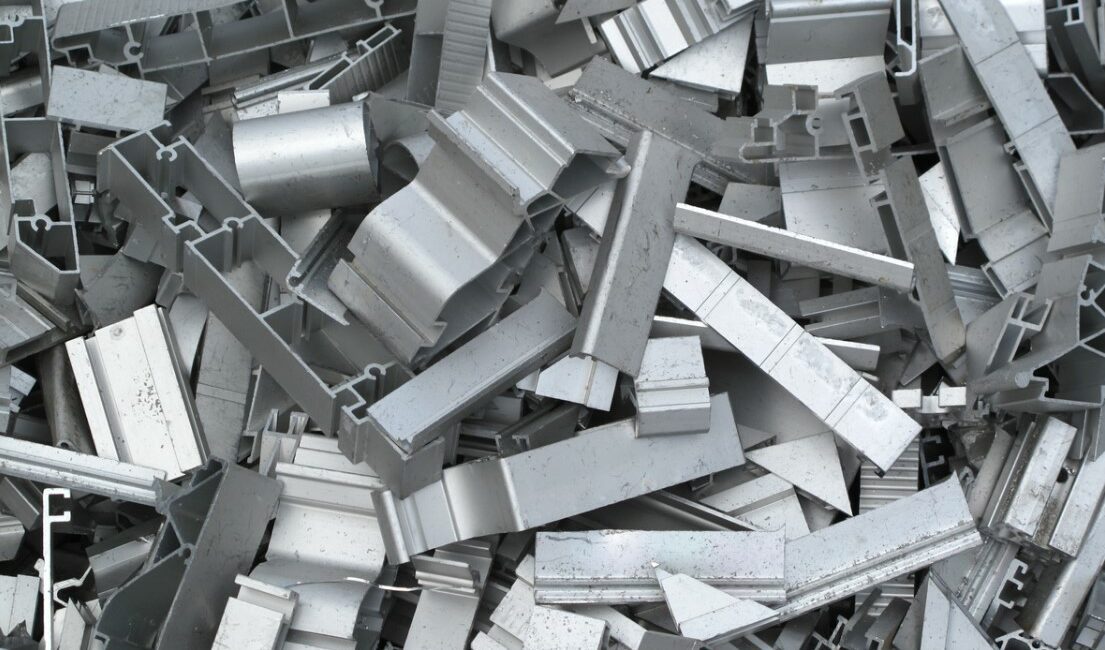
Aluminum sheet or clean aluminum scrap typically commands higher per-pound or per-ton prices than basic scrap steel sheet because aluminum is non-ferrous, lightweight, and retains higher value in recycling markets. Many scrap pricing lists show aluminum variants (like clean sheet or extrusions) often paying more than steel by weight when accepted by yards.
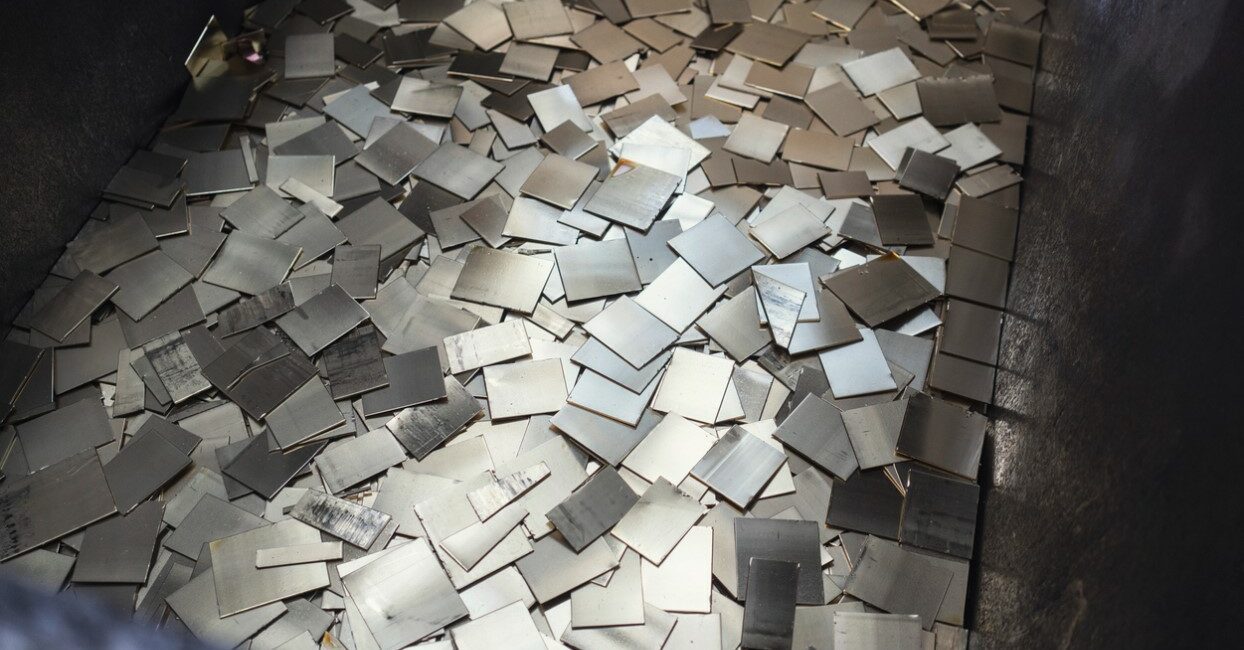
Steel sheet scrap (often categorized under HMS or prepared steel) is priced lower because steel is heavier and more abundant, and the ferrous scrap market usually has larger supply. Dedicated steel prices (like “#1 prepared steel”) can be far below aluminum scrap prices on a per-ton basis.
Key Price Drivers
The price difference exists for several reasons:
1. Material Type
Aluminum is non-ferrous and retains high recycling demand for lightweight applications including transportation and packaging. Steel is ferrous, more common, and used in heavy industries like construction.
2. Production Energy and Costs Aluminum requires more energy to produce from ore than steel. That production cost is reflected in both raw materials and scrap market pricing.
3. Market Supply and Demand Local and global demand for aluminum sheet, right from automotive manufacturers to building products, keeps base prices strong. Scrap yards will pay a premium when buyers consistently demand clean aluminum metal. Steel has steady demand too, but wider supply often keeps pricing lower.
4. Tariffs and Trade Policy Recent trade policies have pushed aluminum premiums higher in the U.S., increasing the cost of physical aluminum and influencing how scrap and raw prices align.
Example Price Relationship (Generalized)
Aluminum sheet material: Often trades higher per pound/ton internationally due to production cost and demand, with scrap rates generally above many steel categories.
Steel sheet material: Lower base and scrap prices compared with aluminum, especially for common hot-rolled or mild steel scrap.
Exact scrap prices change daily depending on local market conditions, alloy grade, and cleanliness before recycling. Always check with your local yard or recyclers like Clifton Metals for up-to-date pricing.
FAQ
Why is aluminum sheet priced higher than steel sheet? Aluminum requires more energy to produce and has strong demand in lightweight applications, which pushes prices higher than common steel sheet.
Does scrap aluminum sheet pay more than scrap steel sheet? Generally yes. Non-ferrous aluminum scrap usually pays a higher per-pound rate than ferrous steel scrap due to market demand and material value.
Do tariffs affect aluminum and steel prices? Yes. Trade policies can raise premiums on imported metals, influencing domestic prices. For example, U.S. aluminum premiums rose significantly with tariff changes.
Should I separate aluminum and steel before recycling? Yes. Separating metals cleanly ensures you get the best price from scrap yards like Clifton Metals.
Where can I check current sheet metal scrap prices? Contact your local scrap yard or use pricing resources like the iScrap App or Clifton Metals’ pricing updates to see current rates before selling.
Exact scrap prices change daily depending on local market conditions, alloy grade, and cleanliness before recycling. Always check with your local yard or recyclers like Clifton Metals for up-to-date pricing.
In most cases, aluminum sheet, whether raw or recycled, commands a higher per-weight price than steel sheet because of production energy costs, demand for lightweight materials, and stronger values for non-ferrous scrap. By contrast, steel sheet is generally more abundant and priced lower per ton, both in raw and scrap markets.
Hope the tips mentioned in this article help you to get the best out of your scrap.
Ready to turn your scrap into savings? Reach out to Clifton Metals to schedule your site assessment and see how easy and profitable on-site scrap management can be.
Are you a manufacturer seeking sustainable metal solutions? Let Clifton Metals’ recycling services highly trained experts in scrap metal handling help power your production with quality recycled metals, keeping costs low and the environment clean. Contact us today to learn more.